The Chemical Effect of Fluoride on Tooth Enamel
Lecturer : M. Sc.Aevan Tahseen Abd
Introduction
Tooth enamel is the hardest and most mineralized tissue in the human body. It plays a critical role in protecting teeth from mechanical forces, temperature changes, and chemical attacks. Despite its strength, enamel is vulnerable to acidic environments that can lead to demineralization and dental caries. Fluoride has long been recognized as one of the most effective agents in preventing dental caries. Its beneficial effect is mainly related to its chemical interaction with tooth enamel. This article discusses the chemical composition of enamel, the chemistry of fluoride, and the mechanisms by which fluoride enhances enamel resistance to decay.
Chemical Composition of Tooth Enamel
Tooth enamel is composed mainly of inorganic minerals, accounting for approximately 96% of its structure. The primary mineral is hydroxyapatite, a crystalline calcium phosphate compound with the chemical formula Ca₁₀(PO₄)₆(OH)₂. The remaining components include water and small amounts of organic material.
Hydroxyapatite crystals are arranged in a highly organized structure, giving enamel its hardness. However, these crystals are susceptible to dissolution in acidic conditions. When the pH in the oral environment drops below the critical level (around pH 5.5), demineralization occurs, leading to enamel weakening and caries formation.
Chemistry of Fluoride
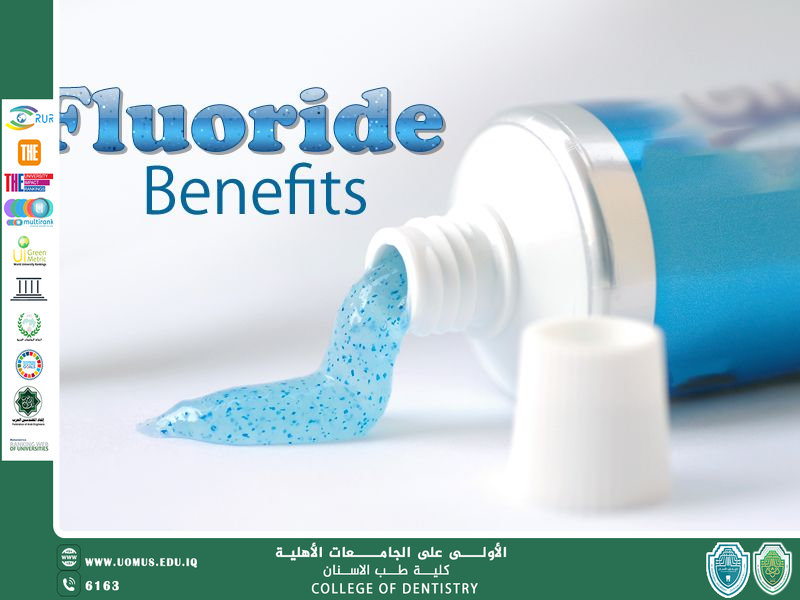
Fluoride is a naturally occurring ion of the element fluorine. It is highly reactive and has a strong affinity for calcium. Fluoride can be found in various sources, including drinking water, food, and dental products such as toothpaste, mouth rinses, gels, and varnishes.
In dentistry, fluoride is commonly used in topical and systemic forms. Chemically, the fluoride ion (F⁻) is small and highly electronegative, allowing it to interact effectively with the mineral components of enamel. This interaction forms the basis of fluoride’s protective effect on teeth.
Interaction Between Fluoride and Enamel
The primary chemical effect of fluoride on enamel occurs when fluoride ions replace hydroxyl ions (OH⁻) in the hydroxyapatite crystal lattice. This substitution results in the formation of fluorapatite (Ca₁₀(PO₄)₆F₂).
Fluorapatite is more stable and less soluble in acidic conditions than hydroxyapatite. As a result, enamel containing fluorapatite is more resistant to acid attacks produced by bacterial metabolism. This chemical transformation significantly enhances the durability and strength of tooth enamel.
Effect of Fluoride on Demineralization and Remineralization
Demineralization is the process by which minerals, mainly calcium and phosphate ions, are lost from enamel due to acidic conditions. Fluoride plays a crucial role in inhibiting this process by reducing enamel solubility.
Additionally, fluoride promotes remineralization, a natural repair process in which lost minerals are redeposited into the enamel structure. Fluoride acts as a catalyst by attracting calcium and phosphate ions and facilitating their incorporation into the enamel surface. This leads to the formation of a stronger and more acid-resistant mineral layer.
Anticaries Effect of Fluoride
Fluoride also exhibits anticaries effects by influencing oral bacteria. It inhibits bacterial enzymes involved in carbohydrate metabolism, thereby reducing acid production. Lower acid levels in the oral cavity decrease the risk of enamel demineralization.
Furthermore, fluoride enhances the post-eruptive maturation of enamel, making newly erupted teeth more resistant to decay. These combined chemical and biological effects explain why fluoride is considered a cornerstone in preventive dentistry.
Methods of Fluoride Application
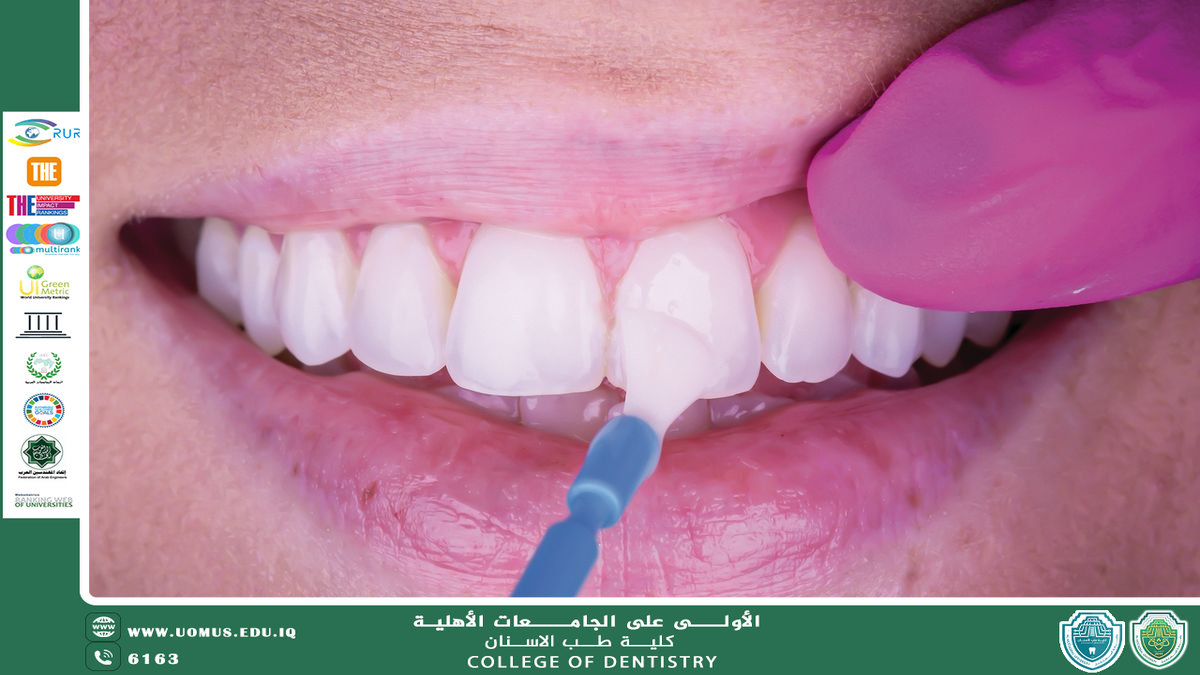
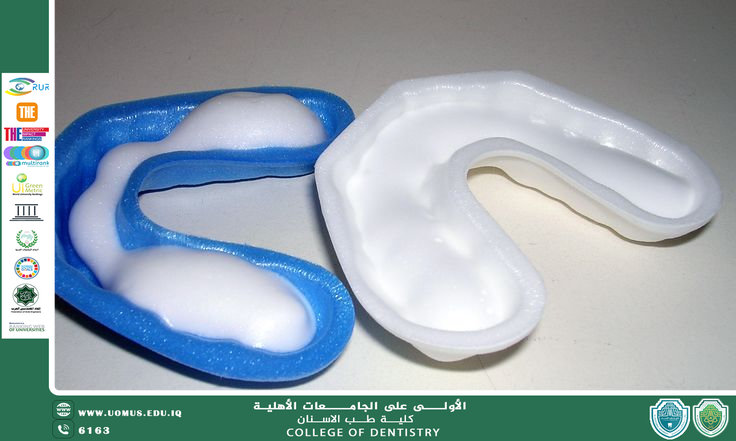
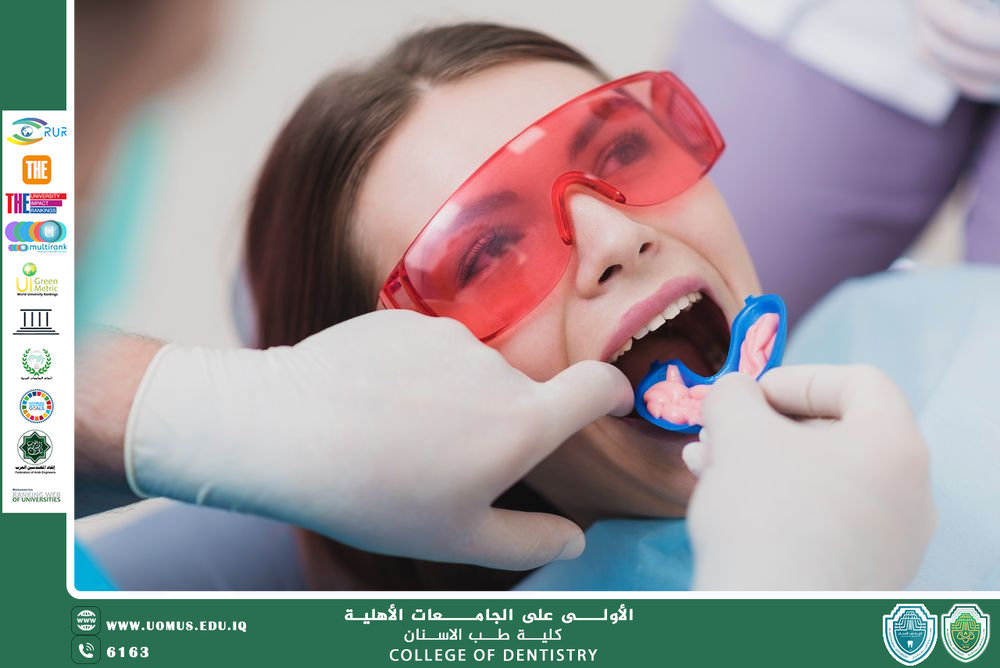
Fluoride can be delivered systemically or topically. Systemic fluoride, such as fluoridated water, is incorporated into developing teeth before eruption. Topical fluoride, including toothpaste, mouth rinses, gels, and varnishes, acts directly on the enamel surface after tooth eruption.
Topical application is considered more effective in preventing caries because it provides direct and continuous contact between fluoride and enamel, allowing repeated remineralization and formation of fluorapatite.
Advantages and Possible Risks of Fluoride
The primary advantage of fluoride is its ability to strengthen enamel and prevent dental caries. However, excessive fluoride intake during tooth development can lead to dental fluorosis, a condition characterized by changes in enamel appearance.
From a chemical perspective, fluorosis occurs due to excessive incorporation of fluoride into the enamel structure, disrupting normal crystal formation. Therefore, controlled and appropriate use of fluoride is essential to maximize benefits while minimizing risks.
Conclusion
Fluoride plays a vital chemical role in enhancing the resistance of tooth enamel to decay. By interacting with hydroxyapatite crystals and forming fluorapatite, fluoride reduces enamel solubility and increases its resistance to acidic environments. Additionally, fluoride promotes remineralization and inhibits bacterial acid production. Understanding the chemical effects of fluoride on enamel highlights its importance in preventive dentistry and emphasizes the need for its safe and controlled use.