Anaesthesia and pituitary disease
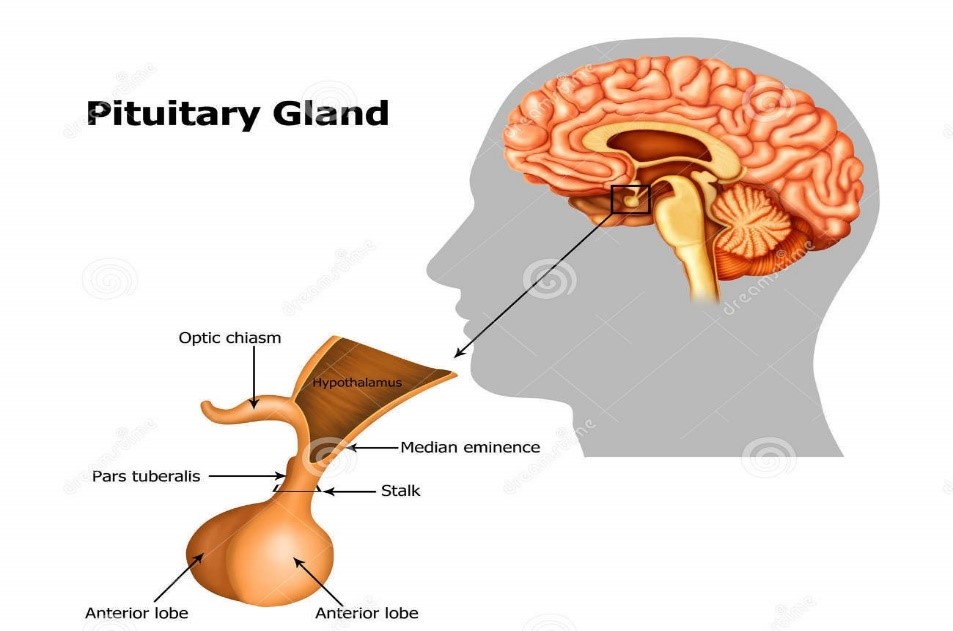
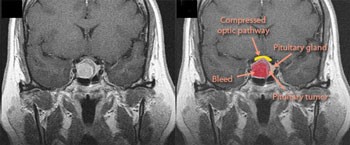
Pituitary gland is a master endocrine gland of the neuro-endocrine axis, having a central role in governing hormonal homeostasis, maintaining the reproductive cycle, and coordinating the activity of other glands. Pituitary disease is common, and a thorough knowledge of the anatomy, physiology, and pathology of the pituitary is required to appropriately manage such patients for surgery<br /> <br />Pituitary apoplexy<br />The term refers to acute haemorrhagic infarction of a gland whose blood supply is previously compromised by a tumour or pregnancy. It can be caused by obstetric haemorrhage (Sheehans syndrome), major surgery, head injury, and sickle cell crisis. It presents as acute failure of anterior lobe function; the posterior lobe function usually being preserved. <br /><br /><br /> Patients with pituitary disease undergoing pituitary or other surgery can present a host of anaesthetic challenges. Anaesthetists must have a good appreciation of the varied presentation of pituitary disease and their implications for the patient's perioperative state. Good communication and teamwork between the neurosurgeon, anaesthetist, neuroendocrine service, and the radiologist is fundamental to the successful management of patients with pituitary disease undergoing surgery.<br /><br />Dr. Sura Awadh