Liver Functions Tests ( LFTs)
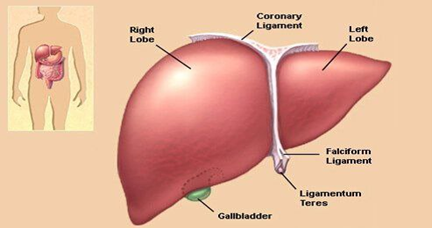
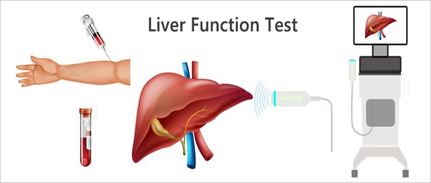
FUNCTIONS OF LIVER<br />1. Excretory function: Liver cells metabolize and excrete endogenous as well as exogenous substances. The liver regulates bilirubin metabolism by secretion and excretion of bilirubin.<br />2. Synthetic function: Synthesis of proteins like albumin, α- and β-globulins, transport proteins, and many coagulation proteins occurs in the liver. The liver also produces triglycerides, cholesterol, lipoproteins, and primary bile acids. Albumin maintains the osmotic pressure of plasma, transports various compounds, and acts as a protein reserve. The liver does not synthesize immunoglobulins and complement.<br />3. General metabolic functions: The liver regulates carbohydrate, lipid, and protein metabolism <br />4. Liver is the storage site for iron, glycogen, and vitamins.<br />5. During fetal life, hematopoiesis occurs in the liver. It is also a site for the destruction of damaged red cells (immune hemolysis).<br />6. Liver is the major organ for the catabolism of steroid hormones.<br />Figure 1 shows the liver is a large, meaty organ that sits on the right side of the belly. The liver has two large sections, called the right and the left lobes<br /> <br />Fig.1. Human Liver<br />LIVER FUNCTION TESTS<br />1. ALP (alkaline phosphatase) - Enzyme found in the liver and other tissues, bone; elevated levels of ALP in the blood are most commonly caused by liver disease or bone disorders<br />2. GGT (Gamma glutamyl transferase): Most often used to differentiate the source of an elevated alkaline phosphatase (bone or liver). GGT not present in bone. Most sensitive indicator to detect liver damage from excessive alcohol intake.<br />3. ALT (alanine amino transferase, also called SGPT) - Enzymę found mostly in the cells of the liver and kidney; a useful test for detecting liver damage<br />4. AST (aspartate amino transferase, also called SGOT) - Enzyme found especially in cells in the heart and liver; also a useful test for detecting liver damage<br />5. Bilirubin - Waste product produced by the liver as it breaks down and recycles aged red blood cells<br />Figure 2 shows the liver function test process<br /><br />By: Asst. Lec. Ahmed B. Mahdi