MXene
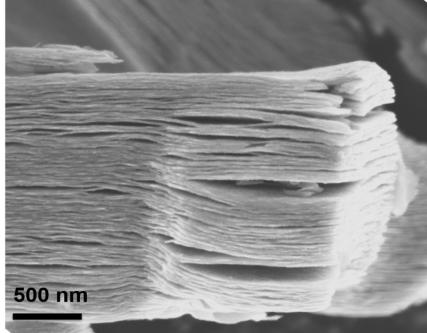
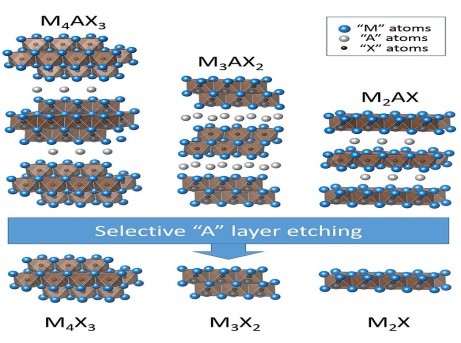
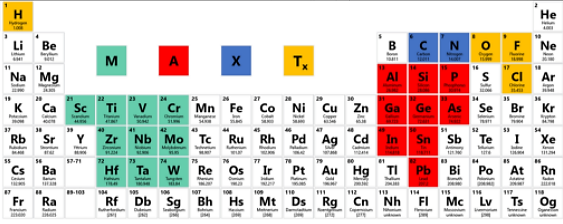
In 2011, researchers at Drexel University discovered and created MXene, which is the term given to a new family of two-dimensional (2D) transition metal carbides, carbonitrides, and nitrides. 2011 was the year when this family was uncovered and established. MXene has a wide range of significant applications that it can be put to use in. These so-called MXene structures possess exceptional properties such as rich surface chemistry, electronic structures, high electrical conductivity, hydrophilicity, thermal and mechanical stability, and large specific surface area, which are the reasons why they have received a lot of attention. Other properties that these so-called MXene structures possess include hydrophilicity, high electrical conductivity, and high electrical conductivity. This has lately led to improvements, as well as the conduct of an in-depth analysis of their production methods, as well as the composites they make by combining metals and polymers. There have been connections made between a sizeable amount of it and the electrochemical applications, the medical applications, the flame retardancy effect in a polymer matrix, and the electromagnetic shielding capabilities.<br /><br /><br />By: Asst. Lec. Ahmed B. Mahdi