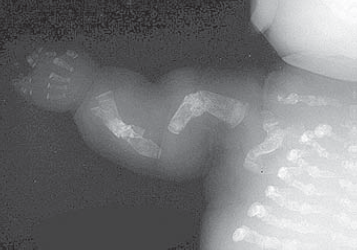
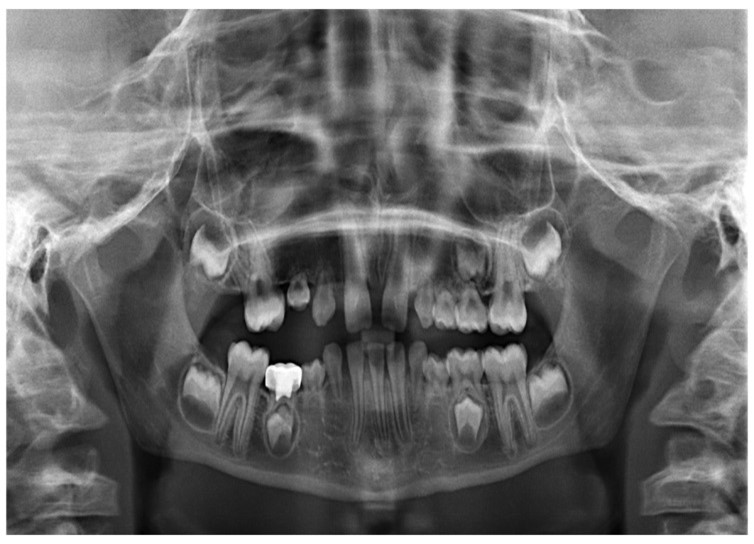
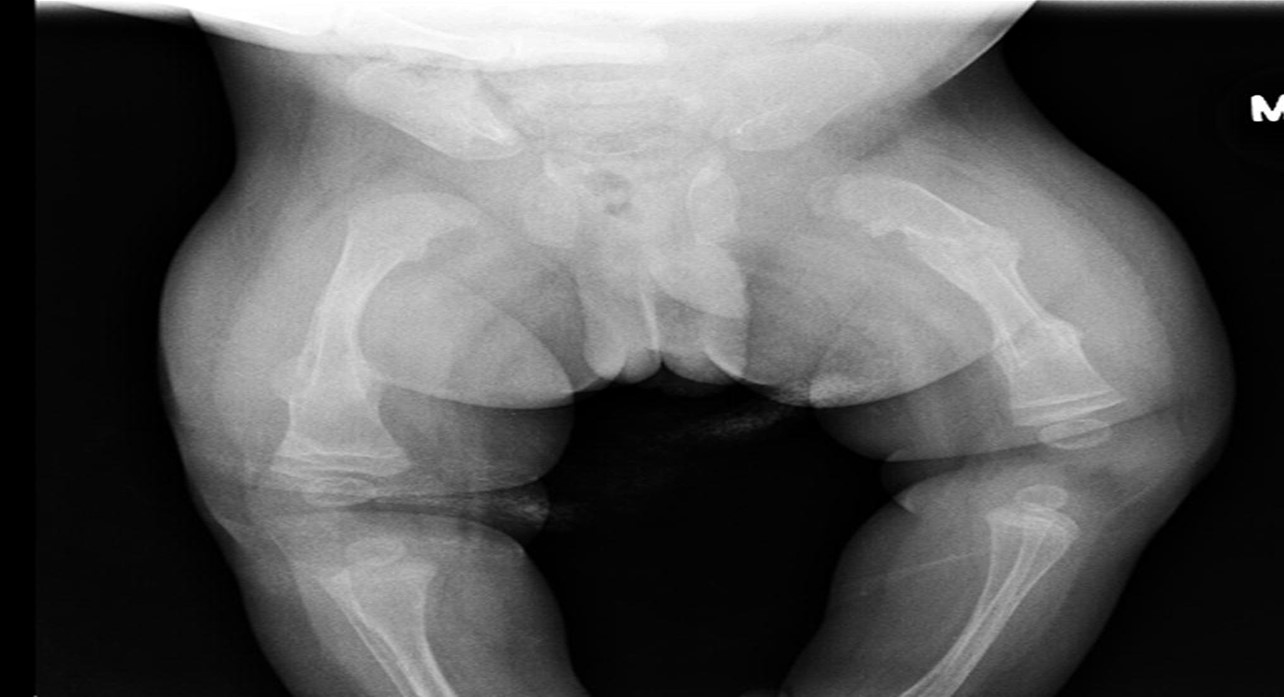
Osteogenesis imperfecta (OI)
This condition, also known as brittle bone syndrome, is another example of a diverse collection of genetic disorders that are characterized by bones that are prone to bending and breaking readily. A common symptom of the condition is a delay in the healing of wounds, as well as a rotated and twisted spine, which can give the appearance of having a "humped-back" (kyphotic). Osteogenesis imperfecta tarda is the medical term for type I osteogenesis imperfecta. The sickness is the result of a reduction in the formation of 1 and 2 chains. Fractures that are the result of mild trauma appear in early childhood. A diagnosis of this condition can be made using prenatal ultrasound imaging that reveals bowing of the long bones or fractures. The most severe form of osteogenesis imperfecta is type II, also known as osteogenesis imperfecta congenita. Patients with pulmonary hypoplasia don't make it past the uterine or newborn stages of the disease. The majority of people who suffer from severe OI have mutations in the gene that codes for either the pro-1 or pro-2 chains of type I collagen. The majority of mutations result in the substitution of amino acids with bulky side chains for glycine residues (in the form –Gly–X–Y–). The structurally aberrant pro- chains that develop as a result of this process hinder the creation of the necessary triple-helical conformation.<br /><br />By: Asst. Lec. Ahmed B. Mahdi