MOLECULAR CHARACTERIZATION OF STAPHYLOCOCCUS SP.ISOLATED FROM DIFFERENT TYPES OF CHEESE
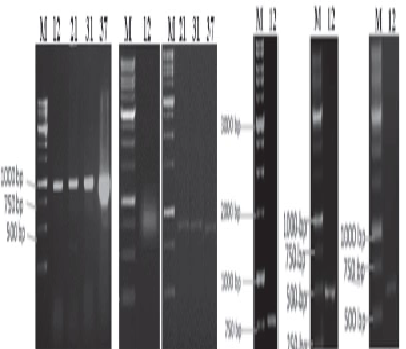
Cheese is a product derived from milk that is manufactured in a varied of tastes, qualities and forms. Types of cheese are collected or categorized according to conditions of process such as fermentation interval, quality, approaches of production, fat %, animal milk, nation or state of beginning, etc. Cheese is an important nutritional category of human food. However, fresh white cheese is often prepared with unpasteurized milk and put in public markets. This can raise the possibility of contamination with pathogenic bacteria. The occurrence of multidrug-resistant pathogenic bacteria in nutrition is a vital public health alarm. Food poisoning by Staphylococcus is one of common global food-borne diseases. Toxin secreted by Staphylococcus reason of disease in about 241,000 personnel in the U.S. annually. Staphylococci correlated disease is amongst severe public-health problems and the second record affluent diseases to necessity in developed country. Conferring to WHO staphylococcal associated food borne disease are the second most public nutrition allowed disease subsequent to Salmonella. S.aureus is commonly food born pathogenesis of great importance for animal and human concern. The infection is mainly transmitted through food chain pathway starting from milking till manufacturing of dairy products. S.aureus is an important food pathogen that is liable to contaminate dairy products kariesh cheese and ice cream from different sources during their production, processing and handling that make them unfit for human consumption or even a dangerous source of infection among consumers constituting a potential health hazard. This can be occurred under certain conditions during production as well as when they are cut and packaged for consumption. Utmost pathogenic bacteria that are generally convoluted in causing disease to human presences and animals presented extensive amount of resistance to generally used antibiotics. Staphylococcus aureus is capable of producing an expansive repertoire of cell surface-associated and extracellular virulence factors in<br />human where it is one of the focal human pathogen. Staphylococcus is one of family Staphylococcaceae. They look Gram-positive cocci and arrangement in groups below microscope. They are facultative anaerobic organisms, Originate worldwide. The presence of S. aureus in milk was variable in different regions, and these variations may be due to season, number of animals on the farm, farm size, hygiene status, variation in sampling, farm management practices, geographical location, and differences in detection methods and variation in types of samples evaluated. Staphylococcus includes at least 40 species. Most are inoffensive for human and other organisms. Staphylococcus microbe has been created in fluid living. S. aureus (strain LAC, SSR42) is required for wild-type levels of erythrocyte lysis, resistance to human and pathogenesis in skin and soft tissue. The pathogenicity of Staphylococcus aureus is shaped by a variation of extracellular and proteins of cell wall-associated. The expression of these virulence factors is controlled by a complex network of global regulatory elements.<br />PCR fragment obtained using gene specific primers A: TEM, B: KPC, C: VAN, D: VIM, E: CITM and F: SHV for the selected Staphylococcus isolates.<br /><br />By: MSc Waleed Khalid Mohammed