Molecular characterization and microbial resistance of different bacterial isolates in some dairy products
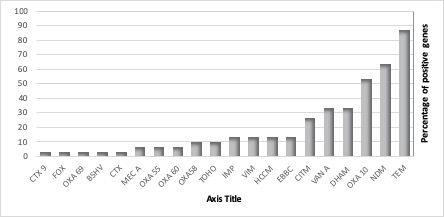
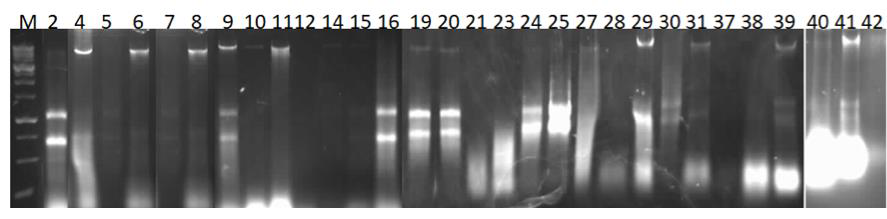
Spoiling milk products worldwide is a huge economic capacity and incidence of the bacterial pathogens in foods are indicators of food quality. In addition, the education of food handlers about personal hygiene is of dairy importance from food safety point of view. The highly nutritious nature products makes them especially good media for the growth of microorganisms. The microbial contamination is one of the leading causes of food spoilage worldwide. chain. The contamination of food with microbes can occur at any stage of the foodlarge number of diseases are caused by foodborne pathogens with significant A .Bacterial pathogens use a variety of different effects on economy and human healthis S.aureus motility modes, including swimming, twitching, and swarming.ogen of great importance of animal and human concern. commonly food born pathit is responsible for contaminate dairy products, kariesh cheese and ice cream from different sources during their production, processing and handling that make them a dangerous source of infection among unfit for human consumption or even is also known for its aureus S. customers establishing a potential health hazard.ability to secrete a host of toxins to aid in host tissue infiltration and acquire Salmonela,bacteria ( nutrients. The features of the most common pathogenic Campylobacter, ,Bacilluscereus ,Listeriamonocytogenes ,Shigella Yersinia Vibrio, ,aureus Staphylococccus ,E.coli ,Cronobacter ,Clostridium Cyclospora, viruses (Hepatitis A and Noroviruses) and parasites (enterocolitica. Antimicrobial spiralis Trichinella and gondii oxoplasmaT ,cayetanensisresistance (AMR): the ability of microbes to grow in the presence of a drug that would normally kill them or limit their growth. AMR complicates infection and morbidity. The emergence and spread treatment is linked to increased mortality resistant (MDR) bacteria has enormous implications for -of resistant and multidrugVirulence functions are often worldwide healthcare delivery and population health.genic bacteria. These encoded on large extrachromosomal plasmids by pathoplasmids are maintained at low copy number to reduce the metabolic burden on spectrum cephalosporin creates a -their host. The widespread use of extended resistance frequently associated-reservoir of resistant bacteria. Moreover, multiwith strains carrying ESBLs, which could dramatically reduce the treatment options. The increasing number of Enterobacteriaceae with ESBLs that also contain MBLs or AmpCs and other new mechanisms of resistance to fluoroquinolones or producing bacteria in –te that recent increase of ESBLs aminoglycosides indicaEurope constitutes a complex problem. ESBLs are worthy of the scientific lactamases. ESBL's older -community's attention over the past decades among the β, or SHV derivatives. ESBL is 2-1, TEM-and classical definition includes TEMdivided into three main groups by the most recent definition. (I) ESBLA (class A M, SHV and TEM enzymes. (II) ESBLM (miscellaneous ESBLs) -ESBLs): CTXD -C (class C, plasmid mediated AmpC) and ESBLM-are sectioned into ESBLMss D). (III) ESBLCARBA (ESBLs that degrade carbapenems) are divided into (cla<br />-𝛽D. More than 500 -B, and ESBLCARBA-A, ESBLCARBA-ESBLCARBA-lactamases have been reported to date produced by diverse bacteria. Betathat contributes to lactamases be the most common resistance mechanismnegative microbes. Transmission of resistance -widespread resistance among Graminfects the host by coli E. 1 producing-occur between microorganisms. NDMcommonly invading sites like, urinary tract, blood, lungs, and wounds, leading to urinary tract infections, septicemia, pulmonary infections, diarrhea, peritonitis, associated infections and soft tissue -device . infections<br />Average percentage of positive genes in all the selected MDR (30 isolates)<br />Agarose gel electrophoresis for plasmid profile of diverse bacterial isolates.<br /><br />By: MSc Waleed Khalid Mohammed