Leukemia
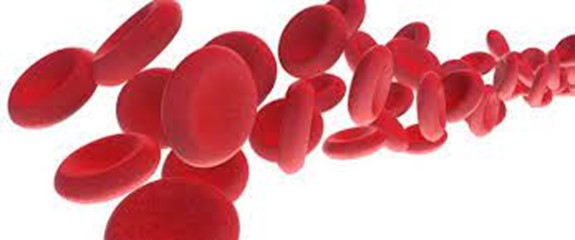
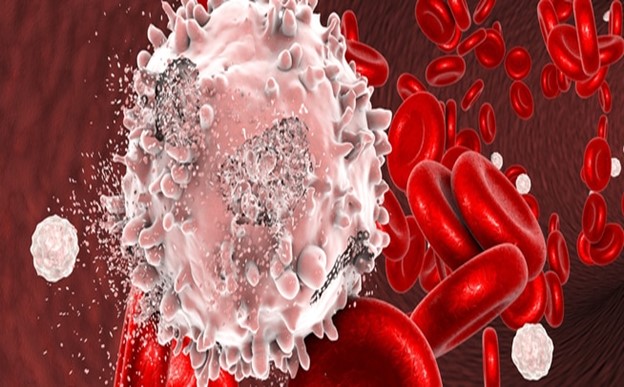
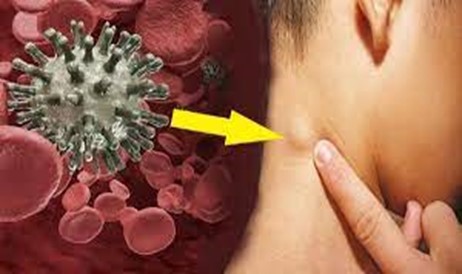
is a type of cancer of the blood cells and tissues that produce blood cells such as the bone marrow. In a normal health situation, blood cells arise in the bone marrow as stem cells, and later mature to form different types of blood cells (red blood cells, white blood cells, or platelets), and move into the bloodstream. As for someone who suffers from leukemia, his bone marrow begins to produce abnormal white blood cells that enter the bloodstream and begin to compete with healthy normal blood cells, preventing them from performing their functions properly [1].<br />Leukemia is a group of malignancies that usually begin in the bone marrow and are characterized by an elevated number of abnormal white blood cells. These resulting cells are completely immature and are called a tumor. The symptoms are bleeding, bruising, feeling tired, high temperature and an increased risk of infection. These symptoms are the result of a lack of normal blood cells and the diagnosis is made by blood tests or a biopsy of bone tissue. The cause of leukemia is unknown and the cause varies with the type of leukemia. Genetic factors and environmental conditions play a role in the development of leukemia [2]<br /><br />Types of blood cancer (leukemia)<br />Acute leukemia: It grows and worsens very quickly, and can be life-threatening. In this type, the bone marrow begins producing large numbers of immature white blood cells called blasts, which enter the bloodstream. These immature cells quickly compete with the normal cells in the bloodstream, and do not do their job of fighting infection, stopping bleeding or causing anemia, making the body very weak[4].<br /><br />-The two most common types of acute leukemia are:<br />Acute lymphoblastic leukemia (ALL).<br />Acute myeloid leukemia (AML).<br /> <br />Risk factors that increase the chances of developing leukemia<br />-Exposure to high levels of radiation.<br />-smoking.<br />-Exposure to benzene (used in the chemical industries, and in cigarette smoke).<br />-Myelodysplastic Syndrome and other types of blood disorders[5].<br />Symptoms of leukemia<br />-Feeling tired and unwell.<br />-Losing a lot of weight for no reason.<br />-Loss of appetite or feeling full after eating little food.<br />-Ease of bleeding and bruising.<br />-frequent infection;<br />-Unexplained fever or night sweats.<br />-Swollen lymph nodes (especially in the neck and under the armpits).<br />-Abdominal bloating and discomfort.<br />-Swelling and bleeding in the gums[6]<br /><br /><br /> <br /><br />acute leukemia treatment<br />The treatment of acute leukemia means following chemotherapy, which is the use of drugs to combat cancer, and is done by receiving drugs in three stages as follows:<br />1-Induction<br />2-Intensification<br />3-Maintenance<br /><br /> <br /><br /><br />Sources and references<br />1- Merriam-Webster Dictionary: Leukemia<br />2-"Leukemia", NCI. Archived from the original on April 12, 2015, accessed on June 13, 2014.<br />3-"What You Need To Know About™ Leukemia", National Cancer Institute, December 23, 2013, Archived from the original on October 6, 2014, accessed June 18, 2014<br />4-Hutter, JJ (June 2010), "Childhood leukemia.", Pediatrics in review / American Academy of Pediatrics, 31 (6): 234–41, doi:10.1542/pir.31-6-234, PMID 20516235<br />5-"A Snapshot of Leukemia", NCI. Archived from the original on April 4, 2015, accessed on June 18, 2014.<br />6-World Cancer Report 2014. World Health Organization, 2014, p. Chapter 5.13, ISBN 9283204298 <br /><br />By: MSc Noor Haider Obaid