Effects of anesthesia after the operation
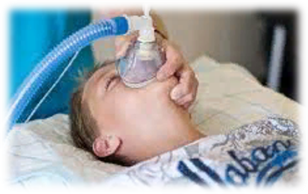
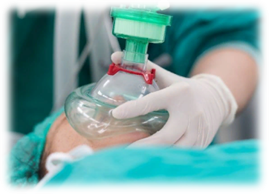
Anesthesia is a necessary pre-operative procedure; This is so that the doctor can complete the surgery with full concentration and without the patient in pain, and anesthesia methods are still developing with the development of different surgical specialties, and anesthetics were used in the past with the aim of relieving the patient’s feeling of pain during operations, and some chemicals were used, such as: alcohol or the opium plant , but it was not enough to completely numb the patient’s feeling of pain, and in the middle of the nineteenth century in the United States of America, complete and successful cases of anesthesia were performed before performing the surgery, and that was by means of ether gas and nitrous oxide, and anesthesia methods are still developing until the present time with the rapid scientific development In all sciences and fields<br />Effects of full anesthesia<br /> The side effects of full anesthesia appear immediately after the completion of the surgery, and these effects usually disappear within a short period after the patient wakes up, and the effects of full anesthesia can be classified into short-term and long-term effects, but it remains rare for symptoms to appear Long-term effects on patients, except for the elderly, and in general, the effects of full anesthesia can be mentioned as follows:<br />short term effects<br /> Nausea and vomiting: Nausea and vomiting appear immediately after the completion of the surgery, but some continue to suffer from these things for a day or two after that. Dry mouth: the disease feels thirsty after waking up from anesthesia, and doctors may allow them to drink water to quench their thirst.<br /><br /> Hoarseness and sore throat: These are caused by the breathing tube that the doctor placed inside the windpipe during the procedure.<br /><br /> Chills and trembling: It is common for the body temperature to drop due to complete anesthesia, and this explains the patient's feeling of cold and chills upon awakening from the anesthesia, but this feeling will not last for more than a few hours and sometimes minutes.<br /><br /> Confusion: Patients complain of confusion, dizziness, and foggy thoughts after the operation. These may go away within a few hours, but some elderly people may feel disoriented for days and sometimes weeks.<br /><br />Muscle pain: This pain occurs as a result of muscle relaxant drugs that were given to the patient during the operation, which may cause back pain after the operation. Skin itching: Some narcotic drugs cause skin itching in patients.<br /><br />Urinary bladder problems: Some patients have difficulty urinating for a short time after completing the procedure.<br /><br />Dizziness: Some patients feel dizzy while trying to stand for the first time after the operation. Feeling of numbness and tingling in the extremities after recovery from complete anesthesia. Feeling of headache that may go away after several hours, and the patient can be given pain relievers. Feeling of tingling and itching as a result of some anesthetics or due to an allergy to sterile materials or some surgical tools. Dark bruises appear on the patient's skin at the injection site, which will disappear after a few days<br />long-term effects<br /><br />Delirium after the operation: Some patients develop confusion, delirium, and difficulty remembering things after the operation. This problem may appear intermittently, but usually goes away after about a week.<br /><br />Cognitive impairment after the operation: Some patients suffer from persistent problems with memory and perception after the operation, but this is often not caused by the anesthesia, but rather by the operation itself, especially if the patient already suffers from a stroke, heart disease, or diseases lung, Alzheimer's disease, or Parkinson's disease.<br />Less common effects<br /> These complications often arise as a result of certain conditions or the use of certain medications after recovery from complete anesthesia, and these complications include:<br /><br />Difficulty breathing due to the use of certain medications. Pneumonitis or suffocation with fluid or phlegm particles during the procedure. The patient regains consciousness during the operation; As a result of not giving the patient an adequate dose of the drug.<br /><br />Injury to the teeth and tongue with some damage at the moment of placing the breathing tube in the throat.<br /><br />Doctors have to place a urinary catheter in some surgeries; Because of the difficulty in removing urine from the bladder in some patients. Malignant hyperthermia, which arises for genetic or hereditary reasons due to sensitivity to general anesthesia drugs, and unfortunately this disease can lead to death in the event of a very high temperature of the internal organs.<br /><br />Complete anesthesia and its safety <br /><br />Complete anesthesia or general anesthesia aims to cut off the nerve signals in the brain and body, thus preventing the feeling of pain or remembering the things that happened during the surgical procedure. The completion of the operation, and the anesthesiologist can administer anesthesia to the patient before the operation through a vein or by placing anesthesia in a breathing mask, and it may take only a few minutes until the patient enters a state of sleep and loses consciousness after that, and the doctor may resort to providing the body with Sufficient oxygen by placing a breathing tube inside the trachea during the operation, and in general, doctors often resort to giving the patient complete anesthesia if the operation takes several hours, or the operation has direct effects on the patient’s respiratory capabilities, or if the operation involves an area Wide area of the body, or if the operation targets the brain or heart, or if it causes a lot of bleeding. The general anesthesia drugs aim in their entirety to enter the patient into a coma-like state, as he becomes unable not only to feel pain, but to move himself during the operation as well, and it is rare for patients to remain able to feel their surroundings after giving them full anesthesia drugs, and estimates indicate To the possibility of regaining consciousness in only one case out of 1,000 cases, but regaining consciousness does not mean that he has the ability to move, speak, or make any movement indicating that he is actually fully conscious during the operation. General anesthesia or general anesthesia has become a safe and non-problematic medical practice for most patients, but this was not the case in the past; For example, it was common for 1 person out of 10-20 thousand people to die from complete anesthesia between 1960-1970, but currently, only one death can appear out of 200 thousand patients, and this is of course a result of the progress of medical and technological methods<br /><br /><br />MSc Sura Hasan Al-Zubaidi