6 Easy Ways to Prevent Kidney Stones
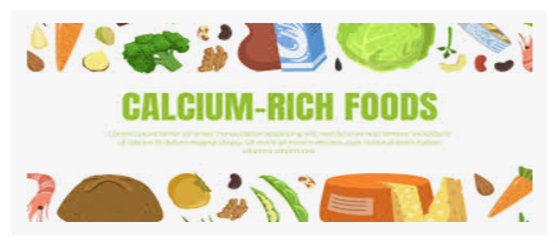
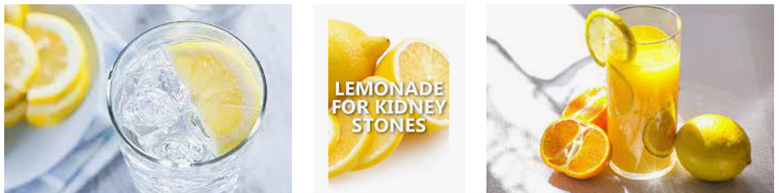
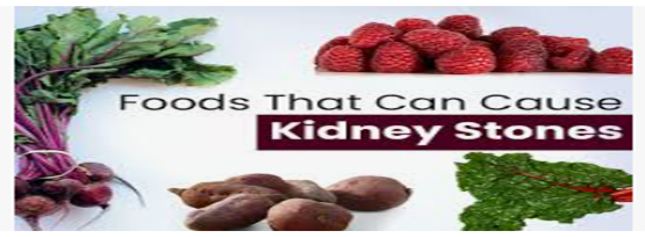
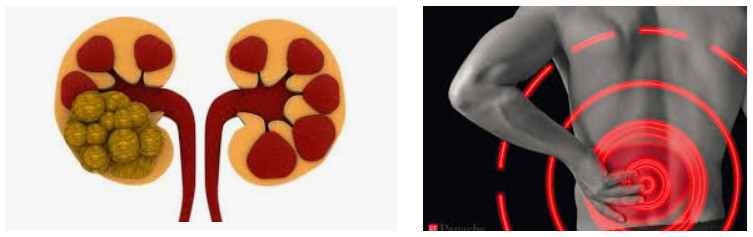
Did you know that one in ten people will have a kidney stone over the course of a lifetime? Recent studies have shown that kidney stone rates are on the rise across the country. Those in the know believe that some major misconceptions may be the culprit.<br />The National Kidney Foundation has teamed up with Dr. Allan Jhagroo, a kidney stone specialist at the University of Wisconsin School of Medicine and Public Health, to help you stay stone-free by debunking some of the major kidney stone myths and misconceptions.<br />Don't Underestimate Your Sweat...<br />Saunas, hot yoga and heavy exercise may be good for your health, but they also may lead to kidney stones. Why? Loss of water through sweating - whether due to these activities or just the heat of summer—leads to less urine production. The more you sweat, the less you urinate, which allows for stone-causing minerals to settle and bond in the kidneys and urinary tract.<br />One of the best measures you can take to avoid kidney stones is to drink plenty of water, leading you to urinate a lot. So, be sure to keep well hydrated, especially when engaging in exercise or activities that cause a lot of sweating.<br /><br /><br /><br /><br />It's Not Just the Oxalate…<br /> <br />Oxalate is naturally found in many foods, including fruits and vegetables, nuts and seeds, grains, legumes, and even chocolate and tea. Some examples of foods that contain high levels of oxalate include: peanuts, rhubarb, spinach, beets, chocolate and sweet potatoes. Moderating intake of these foods may be beneficial for people who form calcium oxalate stones, the leading type of kidney stones.<br />A common misconception is that cutting the oxalate-rich foods in your diet alone will reduce the likelihood of forming calcium oxalate kidney stones. While in theory this might be true, this approach isn't smart from an overall health perspective. Most kidney stones are formed when oxalate binds to calcium while urine is produced by the kidneys.<br />Calcium is Not the Enemy...<br /> <br />But it tends to get a bad rap! Most likely due to its name and composition, many are under the impression that calcium is the main culprit in calcium-oxalate stones. "I still see patients who wonder why they are getting recurring stones despite cutting down on their calcium intake," said Dr. Jhagroo. "I've even had patients say that their doctors told them to reduce their calcium intake." A diet low in calcium actually increases one's risk of developing kidney stones.<br />Don't reduce the calcium. Work to cut back on the sodium in your diet and to pair calcium-rich foods with oxalate-rich foods.<br />It's Not One and Done...<br />Passing a kidney stone is often described as one of the most painful experiences a person can have, but unfortunately, it's not always a one-time event. Studies have shown that having even one stone greatly increases your chances of having another. "Most people will want to do anything they can to ensure it doesn't happen again," said Dr. Jhagroo. "Unfortunately, it doesn't seem to be the case that people make the changes they need to after their first stone event."<br />Research conducted by Dr. Jhagroo shows that those with kidney stones do not always heed the advice of their nephrologists and urinary specialists. About 15% of kidney stone patients didn't take prescribed medications and 41% did not follow the nutritional advice that would keep stones from recurring. Without the right medications and diet adjustments, stones can come back, and recurring kidney stones also could be an indicator of other problems, including kidney disease.<br />It is important to eat and drink calcium and oxalate-rich foods together during a meal. In doing so, oxalate and calcium are more likely to bind to one another in the stomach and intestines before the kidneys begin processing, making it less likely that kidney stones will form.<br /> <br />When Life Hands You Kidney Stones...<br />And as the saying goes, "make lemonade." It's important to consider dietary remedies alongside prescription medications.<br />Next time you drive past a lemonade stand, consider your kidneys. Chronic kidney stones are often treated with an alkali (less acidic) citrate, such as potassium citrate to help prevent certain stones, if urine citrate is low and urine pH levels are too low (or too acidic). Citrus juices do contain citrate (citric acid), but large amounts might be needed. Also, be careful of sugar. Lemon juice concentrate (4 oz per day) mixed with water can be considered. Alkali citrate can be prescribed and is available over-the-counter. Alkali citrate can be given with a mineral(s), such as sodium, potassium or magnesium to help prevent stone formation. The aim is to increase urine citrate (for prevention of calcium stones) and increase urine pH (or make urine less acidic or more alkaline, for prevention of uric acid and cystine stones). The goal is to keep pH in balance. Speak with a doctor or other healthcare professional about which treatment options are right for you, including over-the-counter products and home remedies. People with kidney disease may need to watch their intake of sodium, potassium or other minerals, depending on the stage of kidney disease or other factors<br /><br /><br />Dr. Bashar Hadi Alaaraji