Histology of the liver م.م دعاء ساهي
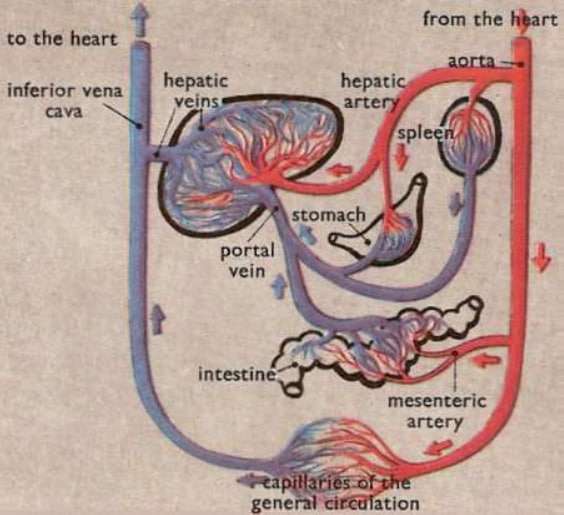
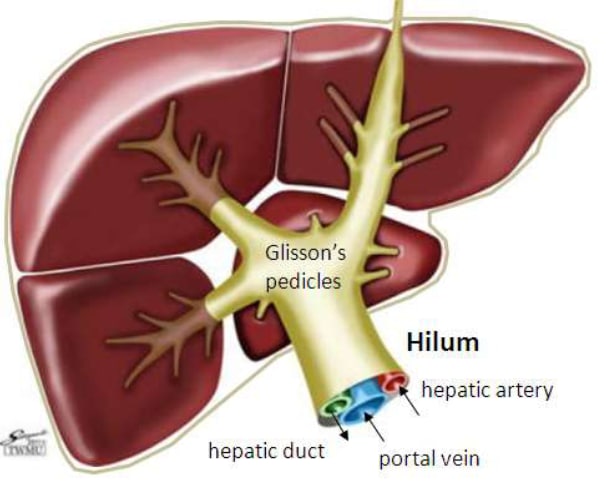
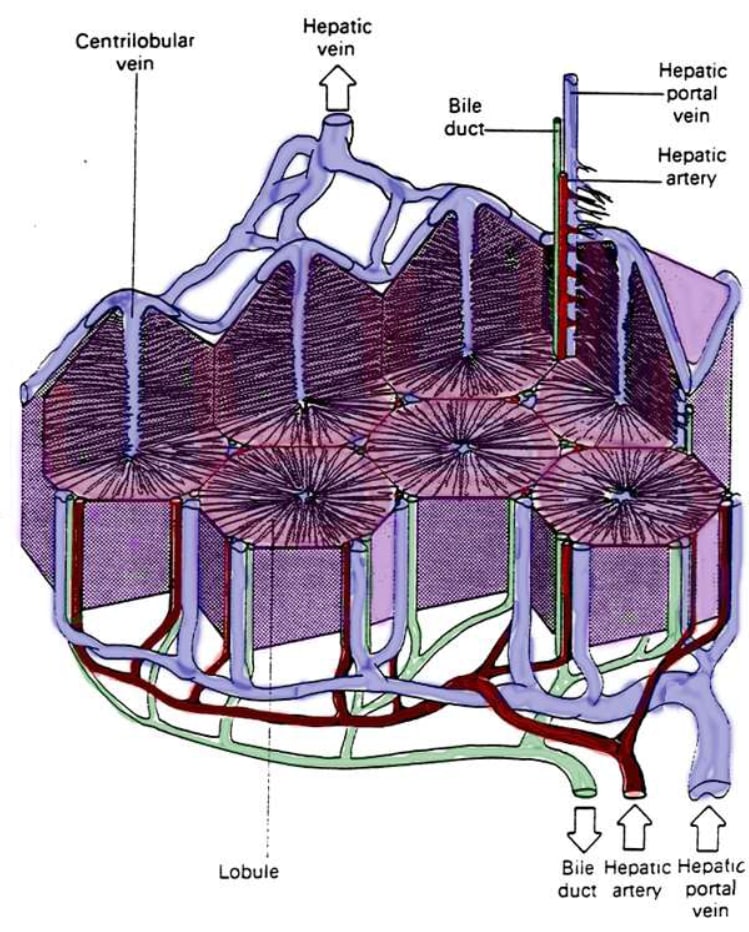
<br /> The liver is a primary target for systemic toxicity caused by chemicals, which results from its particular function and location in the organism. Chemical-induced liver toxicity usually arises from combined general cell type-nonspecific cytotoxic and liver tissue specific toxic actions. Throughout the research field of liver toxicity, most attention has yet been paid to pharmaceutical chemicals. In fact, drug-related liver toxicity accounts for more than 50% of all clinical cases of acute liver failure being responsible for 6% of all liver related deaths and for 7% of all liver transplantations .Furthermore, drug-induced liver injury is a major reason of drug failure during pre-marketing and post-marketing phases of drug development, accounting for up to 29% of all drug withdrawals . Especially in the past 2 decades, it has become clear that chemicals from other sectors equally have the potential to cause liver toxicity, including, but not limited to, industrial chemicals, biocides, cosmetic ingredients, food additives and dietary supplements .This not only raises human health issues, but may also have financial repercussions for the industries involved. For these reasons, it is of utmost importance to identify liver toxic potential of chemicals early on in order to secure safe exposure to humans. Historically, animal testing has been used as the basis for such safety evaluation exercises. This allows to identify the most relevant and sensitive adverse effect, which is used to characterize the so-called point-of departure in the dose–response curve for setting safety limits for humans . Although uncertainty is considered in extrapolation of results between species, the assumption is made that the adverse effect described in the laboratory animal will equally occur in human .<br /> <br /><br />Special circulation of the liver has a basic importance<br />Dual blood supply of the liver<br />Input:<br /> • 75% portal vein<br />o poor in oxygen<br />o rich in nutritions and pancreatic<br />hormones ( from the bowels),<br />o rich in hemoglobin metabolites-bilirubin<br />and heme (from the spleen)<br />o the liver is in a situation to be a key<br />metabolic center<br />• 25% hepatic artery<br />o rich in oxygen<br />Output:<br />• hepatic veins → inferior vena cava <br /> <br />The liver is the first organ for the absorbed material to reach from the gut. <br />Complex lipids (chylomicrons) reach the liver through the lymph vessels.<br /><br /><br /><br /><br /><br /><br />Glasson’s capsule<br /> <br /> <br />• The liver is covered by a fibrous capsule called Glisson’s capsule.<br />• At the hilum, where it is thicker, it wraps the portal vein, the hepatic artery and the bile duct.<br />• Main branches called Glasson’s pedicles divide the liver into segments that has surgical importance.<br />• Further barbarization: branches of the hepatic duct, the portal vein and the hepatic artery are<br />distributed in the parenchyma and remain together. <br /><br /><br /><br /><br />The liver tissue is organized into units called lobules <br />Hepatic lobule<br />• Hexagonal shaped functional unit consisting of<br />mainly hepatocytes.<br />• Lobules are separated by connective tissue –<br />interlobular septa.<br />• Branches of the portal vein, the hepatic artery and<br />the hepatic duct follow the corners of the hexagon<br />and are called portal triad.<br />• Blood flows from the periphery of the lobule toward<br />the center (red arrows).<br />• In the center of the hexagon there is a central vein.<br />• The central (=centrilobular) vein gathers blood and<br />transports it to the sublobular vein, and then into the<br />hepatic vein<br />