Water Pollution
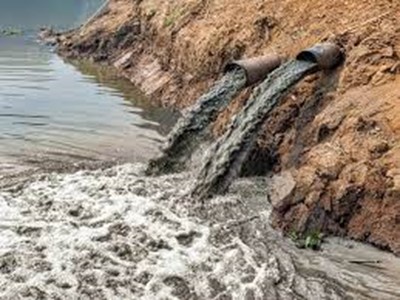
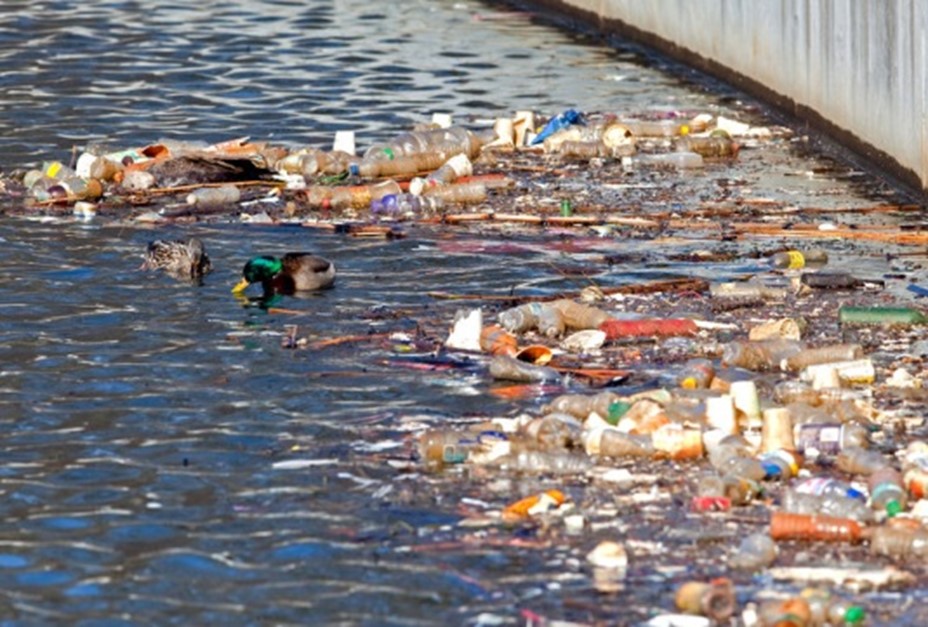
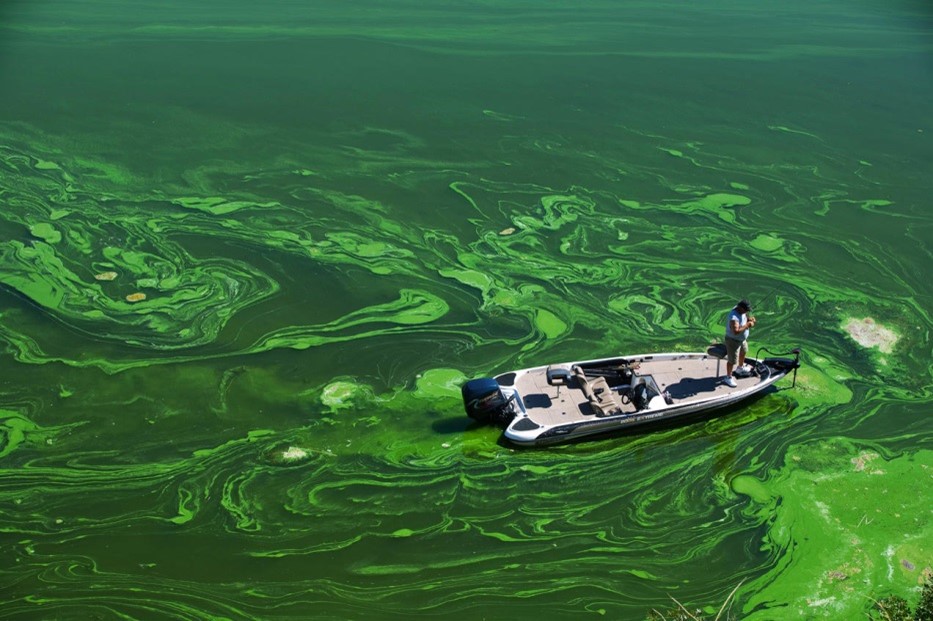
Water contamination is the tainting of bodies of water, typically as a result of human activity, which has a detrimental impact on their uses. Aquifers, reservoirs, lakes, rivers, and seas are all examples of bodies of water. When contaminants are introduced into these water bodies, water contamination results. Sewage discharges, industrial activity, agricultural activity, and urban runoff including storm water are the four main causes of water contamination. It can be divided into two categories: groundwater pollution and surface water pollution. People who use dirty water for drinking, bathing, washing, or irrigation risk contracting water-borne diseases. Waterborne diseases are problems brought on by harmful microorganisms that are spread through water and have negative health effects on humans, such as death, illness, or disorders. These illnesses can be transferred through bathing, washing, drinking polluted water, or eating infected food. <br />The list of diseases resulting from water pollution includes the following: Shigellosis, Cholera, Lever Inflammation, Brain inflammation, Inflammation of the stomach and intestines, Amoeba, Giardia infection, and other diseases. <br />Legislation, the right infrastructure, management strategies, and management plans are all necessary to control water pollution. Improved sanitation, sewage treatment, industrial wastewater treatment, agricultural wastewater treatment, erosion control, sediment control, and urban runoff control are some examples of technological solutions (including stormwater management). In order to effectively control urban runoff, flow quantity and speed must be decreased.<br /><br />By: Asst. Lec. Halah.T.Mohammed<br />Email: [email protected]<br />