
EARLY VERSUS DELAYED INTUBATION IN COVID-19
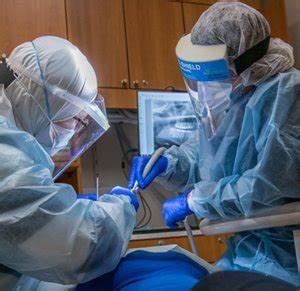
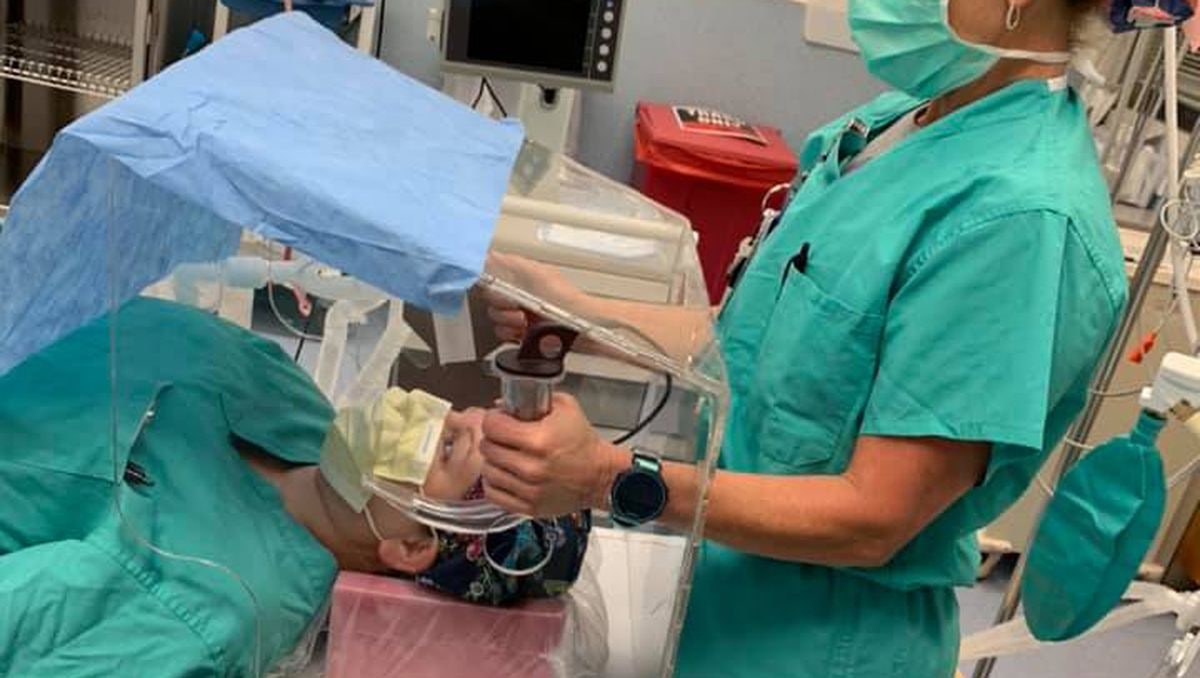
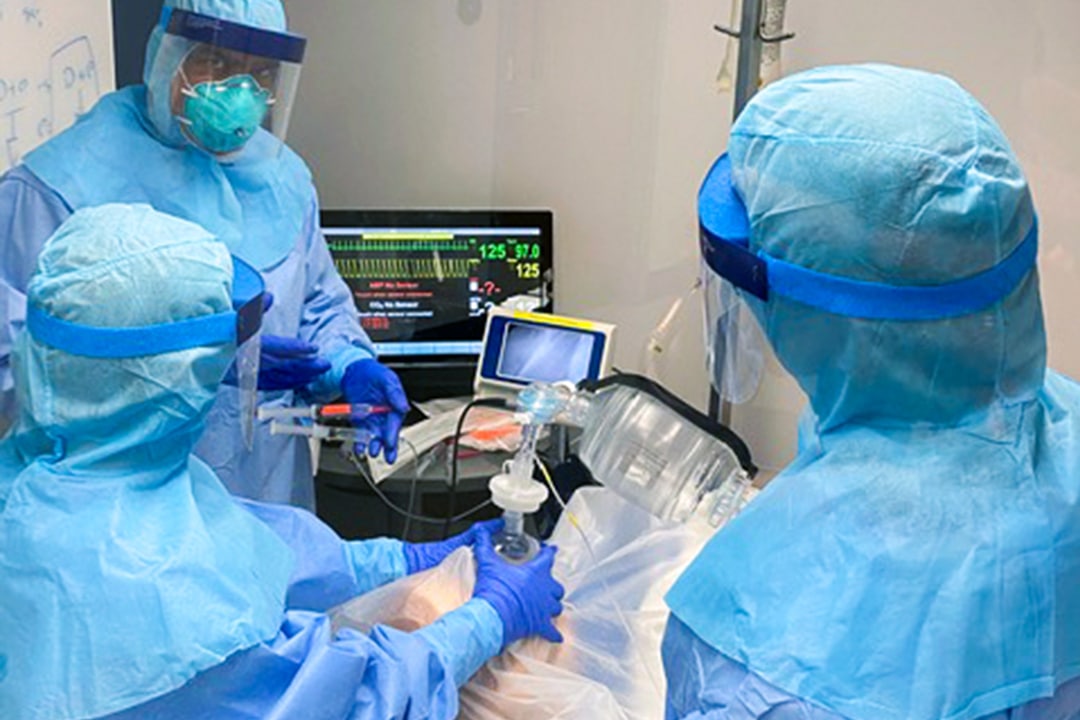
World health organization was informed by the Chinese government about many cases of pneumonia with unknown etiology which appears at first in Wuhan, China in December 2019 which named the virus as SARS-CoV-2 and the disease as COVID-19 despite the attempt to hold viral spreading, a worldwide epidemic has developed from this virus.<br />COVID-19 attacks the respiratory system and affects whole components of it including the neuromuscular breathing apparatus, the respiratory airways, alveoli, the conducting airways, pulmonary blood flow, and the pulmonary vascular endothelium. So the COVID-19 patients need respiratory support and according to primary data collected from infected countries mention that 5% of patients require intubation and mechanical ventilation. Tracheal intubation is a medical process to put a flexible tube into the trachea through the mouth or nose to maintain airway efficacy and ventilation support, the most significant reasons for intubation are loss of consciousness, severe respiratory distress, and hypoxia. The new data mention that intubation and invasive mechanical ventilation in the covid-19 patient are ranging from 30 to 100 percent. The time of intubation is very important and some physicians trust that noninvasive ventilation is a controversial option and intubation and mechanical ventilation must be initiate as soon as possible to decrease the risk of delayed intubation and avoiding patient self-inflicted lung injury. Also, some clinicians and scientists believe that the timing of intubation is related to the high mortality rate for COVID-19 patients. <br />Several studies regarding the early versus late intubation and its effect on outcomes of COVID-19 patients have indeed been published. Yet, the evidence and clinical trials are insufficient. So, we carried out this article to review the effect (if found) of the timing of intubation on outcomes of COVID-19 patients.<br /><br />Early Versus Delayed Intubation in Covid-19<br />Non-invasive ventilation (NIV) and high flow nasal cannula (HFNC) have been proposed in some guidelines as useful in the treatment of COVID-19 patients while patients under close monitoring in the ICU with early intubation in case of no improvement after a 1-2 hours trial. until now, few studies proposed that NIV might be used for a longer duration, sometimes perform(in selected patients) as an alternative to mechanical ventilation. Besides, numerous guidelines from China, the United States of America, Australia, and the United Kingdom recommend early intubation of severe acute respiratory failure of COVID-19 patients as primary to keep staff away from infection and to avoid complications (such as cardiac arrest) related to “crash” intubations.<br /><br />Decide whether “to do or not to do something” and when is a crucial matter affecting several aspects of critical care medicine. One of these NIV versus intubation and MV. As a general idea, early intubation could result in unnecessary intubation and MV of patients who would have a chance to improve on NIV without intubation and related complications. On the other side, delaying intubation may result in further worsening of clinical conditions and outcomes(28)(29).<br />An observational cohort study was done in Evangelismos Hospital, Athens, according to its result propose that early intubation as against no intubation or delayed intubation, may not be associated with worse outcomes through critically state patients with COVID-19 like mortality, ventilator-free days, and ICU-free days(30). In other studies mention the apply of early intubation as an infection control estimate, and early intubation could also serve as a method to prevent patient self-inflicting lung injury and emergent intubation. As avoidance of emergent intubation could enhance outcomes, which include death due to the incidence of hypoxemia. Some of the first guidance for respiratory support in COVID-19 mention that we should be careful in NIV usage and note that early intubation was associated with better outcomes. Advanced reports found a lower mortality rate for COVID-19 patients with NIV usage than early intubation and invasive ventilation.<br /><br />Also, we should mention the advantage of early intubation for COVID-19-ARDS patients, the early intubation gives the ability to Control ventilation, free use sedation, apply prone positioning, muscle paralysis, precise control, and monitoring of ventilation parameters may help to improve outcomes. On the other side, the significant points that we should mention the intubation itself have risks for all patients and healthcare workers. A previous study that includes 202 sequential tracheal intubations, observed 73% of cases exposure to peri-procedural hypoxemia, 40% hypotension and cardiac arrest in 2% of cases; as well, pneumothorax happened in 6% of patients and loss of life during the first 24 hours after intubation was 10%. The risks on healthcare workers, the tracheal intubation was shown as an aerosol-generating procedure, in fact, considered the worst one. In addition to risks associated with tracheal intubation, the death rate of invasively ventilated patients is not encouraging as in one of the first reports from Wuhan, china the mortality percentage for patients under MV was 86% and in another report from other hospitals was 97% and in the multicenter study from New York, it was 88%.<br />The evidence regard early intubation in COVID-19 patients with acute respiratory failure is still insufficient, besides the researchers and clinicians failed to detect a substantial difference in mortality rate in response to the time of intubation. Also, several previous studies mention the rate of intubation 5 to 88% in COVID-19 patients and 1.4 - 44.5% of these patients successfully extubated and just the obesity and age (elderly) are noticed as risk factors of delayed or difficult extubation. And according to this situation, the time of intubation at the right time is very important, and delayed intubation might cause worsen outcomes and increased mortality rate. Besides, the timing and the decision of intubation may be unique to COVID- 19 patients “case by case”, and the threshold of intubation and invasive mechanical ventilation may be lower in COVID-19. <br /><br />conclusion <br />In conclusion, most previous studies, guidelines, and expert recommendations suggest early tracheal intubation in severe COVID-19 patients may have the priority, while other cases with mild or moderate ARF an HFNC or NIV with a trial period under a close monitoring field and the emergency intubation (with low threshold) is ready in all-time this is could be the best choice now until the appearance of more evidence on the suitable time for intubation.<br /><br />By: Ahmed Maki AL-Dulaimi