Post general anesthesia sore throat
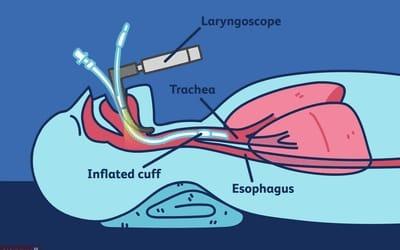
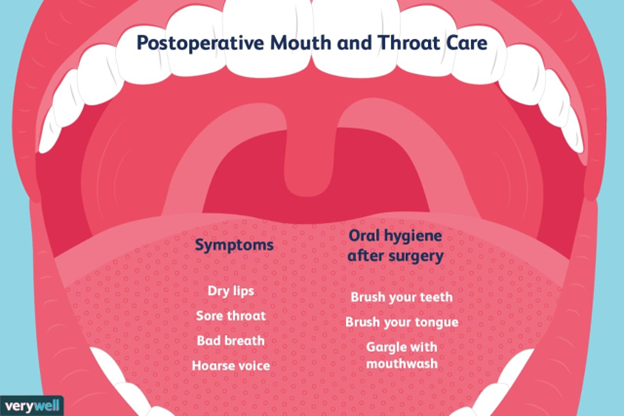
Postoperative sore throat (POST) is a common adverse event after general anesthesia. Typically, the incidence of POST is highest in patients who are tracheal intubated; however, POST also occurs when a laryngeal mask airway (LMA) is used.<br /> Even patients who are managed with a facemask are not immune.<br /> the measures that have been recommended for reducing this complication have been directed at limiting the physical trauma that might result from airway instrumentation and manipulation. <br />For instance, in its simplest form, sore throat is a lay description of pharyngitis, which in itself can have a variety of causes. However, sore throat may also include a variety of symptoms including laryngitis, tracheid’s, hoarseness, cough, or dysphagia.<br />Postoperatively, it seems most plausible that the symptoms are the result of mucosal injury with resulting inflammation caused by the process of airway instrumentation (i.e., laryngoscopy and suctioning) or the irritating effects of a foreign object (i.e., endotracheal tube, LMA, or oral airway<br />The site or sites of mucosal injury would obviously vary depending on the airway device. For instance, endotracheal intubation can result in injury to any portion of the pharynx as well as injury to the larynx and trachea. Placement of an LMA can reasonably be expected to cause injury to pharyngeal mucosa in the supraglottic regions. <br /><br /><br />Whereas the use of a facemask with an oral airway should result in injury to only the oropharynx, assuming that no other injuries occurred because of suctioning or other airway maneuvers. <br />For instance, reducing the size of endotracheal tubes results in a significant decrease in the incidence of POST( post operative sore throat ) .<br />The design of tube cuffs has also been an area of intense research. The size, pressure characteristics, and shape of cuff have all been implicated in tracheal mucosal injury and resultant POST .<br />Conversely, it has been suggested that cuff inflation pressure has less of a role in POST when an LMA is used.6 Both airway devices are clearly capable of inducing mucosal irritation and both can cause POST in patients at rates that are not strikingly different. Yet, anatomically, the site or sites of injury cannot be the same.<br />Most notable would seem to be endotracheal tube and cuff design and the approach to airway management (i.e., endotracheal tube, LMA, or mask anesthesia). In addition, female gender, younger patients, gynecologic surgery, and the use of succinylcholine also seem to increase the incidence. Of particular note, the use of topical lidocaine appears to confer no benefit and may in fact make POST worse. <br />A fact that seems to have been confirmed , however, what actually causes POST remains something of a mystery. <br />Use cough drops with benzocaine or menthol in them to help numb the throat and reduce pain. 12. Gargle with saltwater to help relieve soreness or irritation. Use throat spray , to coat the throat and minimize irritation.<br />How long does intubation sore throat?<br />Symptoms can last from a few hours to no more than 2 days, but in more severe cases, symptoms can last up to many weeks and are resistant to current medical treatment.<br /><br />Is a sore throat common after intubation?<br />Sore throat is a common postoperative complaint, occurring most often following tracheal intubation. Factors such as tracheal-tube size and cuff design have been shown to be important causative factors.<br />In most cases, postoperative throat complaints resolve spontaneously without specific treatment. In moderate to severe cases it may be beneficial to treat pain and dysphagia with a gargle containing a drug such as benzamine hydrochloride, which is approved for the symptomatic treatment of acute sore throat pain .<br /><br />By Dr. Amassi Yakdhan