
القسطرة ... كرار حيدر عبد الحسين
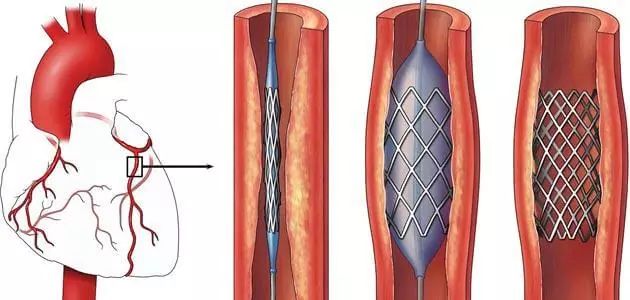
Catheters<br /><br />Modern catheters are made of polyethylene, polyurethane nylon <br />or other plastic tubing to obtain better torque control and superior <br />strength. A high quality catheter in addition to having good torque <br />response and radio opacity should have flexible atraumatic tip and <br />a low surface frictional resistance for good trackability over a guide <br />wire. <br />Recently, catheters with lubricious hydromer coating have been <br />introduced and may perhaps set a new standard of efficacy for <br />selective and super selective catheterization.<br /><br />CLASSIFICATION <br />Catheters can be classified as: <br />1. Diagnostic angiographic catheters.<br />2. Microcatheters.<br />3. Drainage catheters.<br />4. Balloon catheters.<br />5. Central venous catheters.<br /><br />Balloon catheters**<br />• Either very soft and pliable as occlusion balloon or forgarty<br />balloon to clear thrombosis or can be rigid and used for<br />dilatation (angioplasty).<br />• Balloon for diltation can be divided into 2 main categories<br />regarding the size of guide wire over which they are placed.<br />• The balloon used for coronary angiography and also in peripheral<br />and neuro-radiologic procedures are amaller ones mounted on<br />0.018 -0.024 size guide wire.<br />• Most peripheral interventions are performed with 0.035 wire<br />balloon system.<br />Balloon Angioplasty Catheters <br />1. Porst Mann's Korsetts balloon catheter<br />2. Dotter' s coaxial catheter<br />3. Caged balloon catheter<br />4. PVC balloon catheters-Recent*