تم نشر مقالة علمية للتدريسية (م.م. نور قحطان صبري بعنوان DIABETES
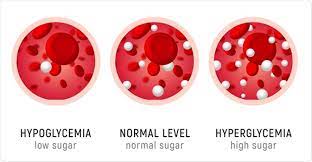
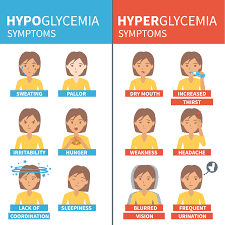
<br /> <br /><br /><br />م.م نور قحطان صبري<br />DIABETES<br /><br /><br /><br /><br /><br /><br /><br /><br /><br /><br />DIABETES<br />Diabetes is a disease that occurs when your blood glucose, also called blood <br />sugar, is too high. Blood glucose is your main source of energy and comes from the food you eat. Insulin, a hormone made by the pancreas, helps glucose from food get into your cells to be used for energy. Sometimes your body doesn’t make enough—or any—insulin or doesn’t use insulin well. Glucose then stays in your blood and doesn’t reach your cells. <br /><br />types of diabetes?<br />The most common types of diabetes are type 1, type 2, and gestational diabetes.<br />Type 1 diabetes<br />If you have type 1 diabetes, your body does not make insulin. Your immune system attacks and destroys the cells in your pancreas that make insulin. Type 1 diabetes is usually diagnosed in children and young adults, although it can appear at any age. People with type 1 diabetes need to take insulin every day to stay alive.<br />Type 2 diabetes<br />If you have type 2 diabetes, your body does not make or use insulin well. You can develop type 2 diabetes at any age, even during childhood. However, this type of diabetes occurs most often in middle-aged and older people. Type 2 is the most common type of diabetes.<br />Gestational diabetes<br />Gestational diabetes develops in some women when they are pregnant. Most of the time, this type of diabetes goes away after the baby is born. However, if you’ve had gestational diabetes, you have a greater chance of developing type 2 diabetes later in life. Sometimes diabetes diagnosed during pregnancy is actually type 2 diabetes.<br />-Hyperglycemia: refers to high levels of sugar, or glucose, in the blood. It occurs when the body does not produce or use enough insulin, which is a hormone that absorbs glucose into cells for use as energy. High blood sugar is a leading indicator of diabetes. If a person with diabetes does not manage the sugar levels in their blood, they can develop a severe complication called diabetic ketoacidosis (DKA).<br />-Hypoglycemia: Hypoglycemia is a condition in which your blood sugar (glucose) level is lower than normal. Glucose is your body's main energy source.<br />Hypoglycemia is often related to diabetes treatment. But other drugs and a variety of conditions — many rare — can cause low blood sugar in people who don't have diabetes<br />Hypoglycemia needs immediate treatment when blood sugar levels are low. For many people, a fasting blood sugar of 70 milligrams per deciliter (mg/dL), or 3.9 millimoles per liter (mmol/L), or below should serve as an alert for hypoglycemia. <br />