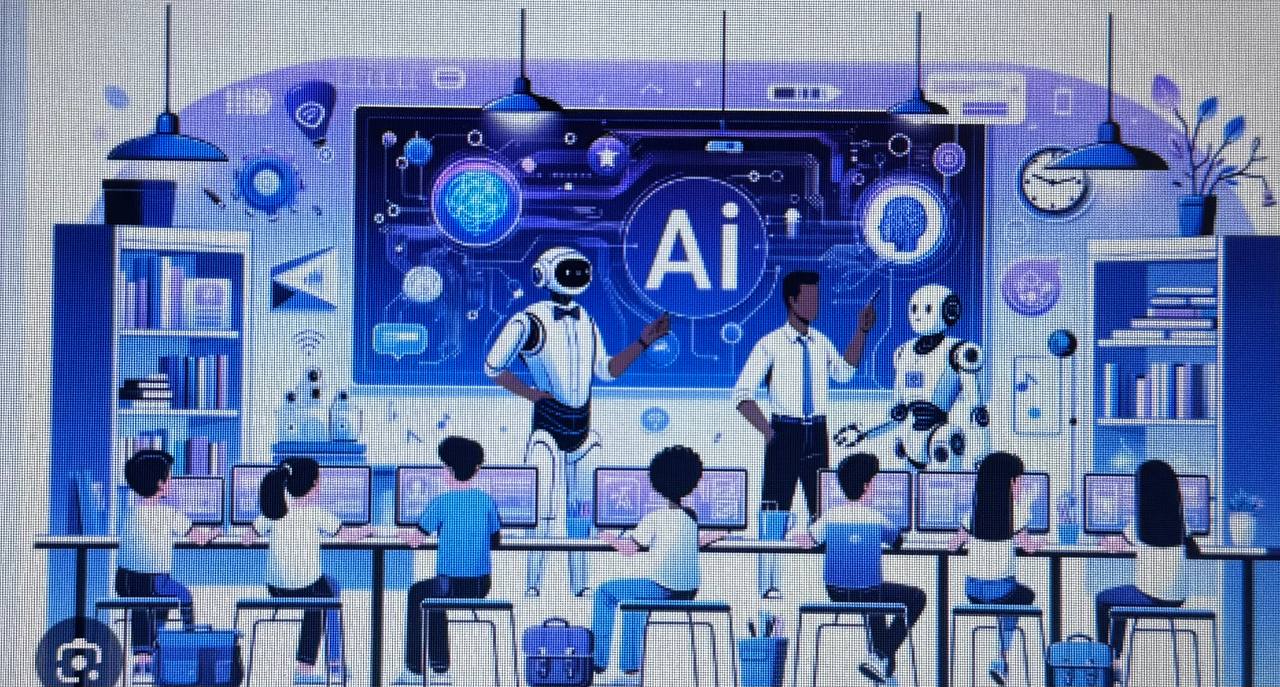
Artificial intelligence technologies used in education
Artificial Intelligence (AI) has become an integral tool in education, transforming how students learn and how educators teach. Here are some of the key AI technologies being utilized in education:<br /><br />1. Personalized Learning<br />AI systems analyze students' performance and learning habits to customize educational content.<br />Examples: Adaptive learning platforms like Khan Academy and Duolingo use AI to adjust difficulty levels and suggest topics.<br />2. Virtual Tutors and Chatbots<br />AI-powered chatbots provide instant responses to students' questions and help with administrative queries.<br />Virtual tutors offer step-by-step assistance in subjects like math or coding.<br />Examples: ChatGPT, Socratic by Google.<br />3. Automated Grading<br />AI automates grading for multiple-choice tests, essays, and even programming assignments, freeing educators to focus on teaching.<br />Examples: Gradescope, Turnitin.<br />4. Content Creation and Customization<br />Tools help teachers generate quizzes, lesson plans, and multimedia resources tailored to their students' needs.<br />Examples: Quizizz, Canva for Education.<br />5. Language Learning<br />AI enhances language learning through speech recognition, natural language processing, and real-time feedback.<br />Examples: Duolingo, Rosetta Stone.<br />6. AR/VR and Immersive Learning<br />AI supports augmented and virtual reality systems for creating immersive educational experiences.<br />Examples: Google Expeditions, zSpace.<br />7. Learning Analytics<br />AI provides insights into student performance and engagement, allowing educators to address areas of concern proactively.<br />Examples: PowerSchool, Blackboard.<br />8. Accessibility Enhancements<br />AI facilitates learning for students with disabilities through speech-to-text, text-to-speech, and real-time sign language translation.<br />Examples: Otter.ai, Seeing AI.<br />9. Gamification<br />AI drives educational games that adapt to learners' preferences and engagement levels to make learning fun and effective.<br />Examples: Prodigy Math, Kahoot.<br />10. Lifelong Learning and Career Development<br />Platforms powered by AI guide students and professionals in skill-building and career choices through recommendations and training programs.<br />Examples: Coursera, LinkedIn Learning.<br />AI technologies not only enhance traditional teaching methods but also open avenues for more interactive, accessible, and effective learning experiences for diverse learner groups.<br /><br /><br /><br /><br /><br /><br />