تم نشر مقالة علمية في قسم تقنيات التخدير للتدريسسة( م.م علا عبد المهدي دهش) بعنوانWhat we know about the Omicron variant
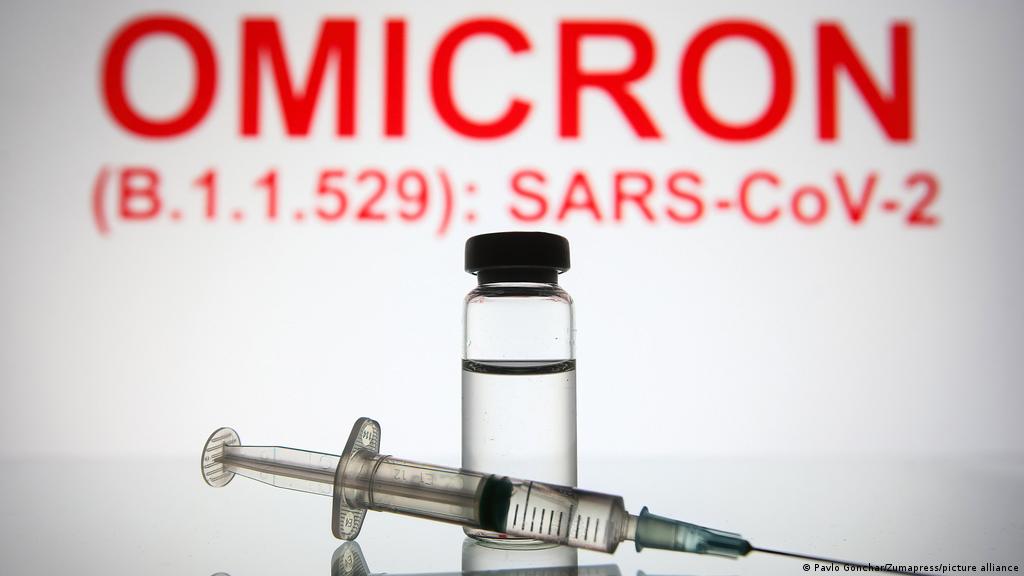
Presented By :Ola Abdullah Mahdi Dahash<br />What we know about the Omicron variant<br />What is the Omicron variant?<br />The Omicron variant of COVID-19 has been called a variant of concern by WHO based on the evidence that it has several mutations that may have an impact on how it behaves. There is consistent evidence that Omicron is spreading significantly faster than the Delta variant in countries with documented community transmission, with a doubling time of 2-3 days. The overall risk related to this new variant remains very high. <br />When a virus is circulating widely and causing numerous infections, the likelihood of the virus mutating increases. The more opportunities a virus has to spread, the more opportunities it has to undergo changes. <br />New variants like Omicron are a reminder that the COVID-19 pandemic is far from over. It is therefore essential that people get the vaccine when available to them and continue to follow existing advice on preventing the spread of the virus, including physical distancing, wearing masks, regular handwashing and keeping indoor areas well ventilated. <br />It is also crucial that vaccines and other public health measures are accessible everywhere. Vaccine inequity leaves lower income countries – many of them in Africa – at the mercy of COVID-19. Well-supplied countries must urgently deliver the doses they promised. <br />Omicron multiplies around 70 times faster than the Delta variant in the bronchi (lung airways) but evidence suggests it is less severe than previous strains, especially compared to the Delta variant. Omicron might be less able to penetrate deep lung tissue. Omicron infections are 91 percent less fatal than the delta variant, with 51 percent less risk of hospitalization. However, estimated difference in intrinsic hospitalization risk largely decreases to 0–30 percent when reinfections are discounted .Overall, the extremely high rate of spread, combined with its ability to evade both double vaccination and the body's immune system, means the total number of patients requiring hospital care at any given time is still of great concern <br />Vaccines continue to provide protection against severe disease and hospitalisation especially after a third dose of an mRNA vaccine is given. Early figures suggest that double vaccination offers 30 to 40 percent protection against infection and around 70 percent protection against hospitalization. A recent third vaccine dose boosts effectiveness against infection to around 75 percent, and 88 percent for severe disease. <br />Many of the mutations to the spike protein are present in other variants of concern and are related to increased infectivity and antibody evasion. Computational modeling suggests that the variant may also escape cell-mediated immunity. On 26 November, the ECDC wrote that an evaluation of the neutralizing capacity of convalescent sera and of vaccines is urgently needed to assess possible immune escape, saying these data are expected within two to three weeks. Although transmission via fomites is rare, preliminary data indicate that the variant lasts for 194 hours on plastic surfaces and 21 hours on skin, compared with just 56 and 7 hours, respectively, for the ancestral Wuhan strain. <br /> <br />Where is the Omicron variant present? <br />Omicron has now been detected in most countries, after the variant was first detected in November 2021. <br />Is the Omicron variant more severe than other COVID-19 variants? <br />Early findings suggest that there is a reduced risk of hospitalization for Omicron compared to the Delta variant. But WHO warns that it should not be dismissed as “mild”. Increased transmission is expected to lead to more hospitalizations. That increase causes strain on frontline workers and healthcare systems, which in turn can result in more deaths. <br />It is important to remember that all variants of COVID-19 can cause severe disease or death, including the Delta variant that is still dominant worldwide, which is why preventing the spread of the virus and reducing your risk of exposure to the virus is so important. <br />Is the Omicron variant more contagious? <br />Yes, the Omicron variant is more contagious than previous variants. However, being vaccinated and taking precautions such as avoiding crowded spaces, keeping your distance from others and wearing a mask are critical in helping to prevent the spread of COVID-19, and we know these actions have been effective against other variants. <br /><br />How can I protect myself and my family against the Omicron variant?<br />The most important thing you can do is reduce your risk of exposure to the virus. To protect yourself and your loved ones, make sure to: <br />•Wear a mask that covers your nose and mouth. Make sure that your hands are clean when you put on and remove your mask•<br />Keep a physical distance of at least 1 metre from others• <br />Avoid poorly ventilated or crowded spaces•<br /> •Open windows to improve ventilation indoors<br />Wash your hands regularly• <br />•When it’s your turn, get vaccinated. WHO-approved COVID-19 vaccines are safe and effective. <br /><br />Reference:<br />1. World Health Organization. Classification of Omicron (B.1.1.529): SARS-CoV-2 Variant of Concern [Internet]. 2021 [cited 2021 Dec 10]. Available from: https://www.who.int/news/item/26-11-2021-classification-of-omicron-(b.1.1.529)-sars-cov-2-variant-of-concern <br /><br />2. World Health Organization. WHO SAGE Roadmap For Prioritizing Uses Of COVID-19 Vaccines In The Context Of Limited Supply [Internet]. 2021 [cited 2021 Dec 10]. Available from: https://www.who.int/publications/i/item/who-sage-roadmap-for-prioritizing-uses-of-covid-19-vaccines-in-the-context-of-limited-supply <br />3. World Health Organization. Household transmission investigation protocol for coronavirus disease 2019 (COVID-19) [Internet]. World Health Organization; 2020 [cited 2021 Dec 17]. Available from: https://www.who.int/publications/i/item/household-transmission-investigation-protocol-for-2019-novel-coronavirus-(2019-ncov)-infection <br /><br />4. World Health Organization. The first few X cases and contacts (FFX) investigation protocol for coronavirus disease 2019 (COVID-19), version 2.2 [Internet]. World Health Organization; 2020 [cited 2021 Dec 17]. Available from: https://www.who.int/publications/i/item/the-first-few-x-cases-and-contacts-(-ffx)-investigation-protocol-for-coronavirus-disease-2019-(-covid-19)-version-2.2 <br /><br />5. World Health Organization. WHO advice for international traffic in relation to the SARS-CoV-2 Omicron variant (B.1.1.529) [Internet]. 2021. Available from: https://www.who.int/news-room/articles-detail/who-advice-for-international-traffic-in-relation-to-the-sars-cov-2-omicron-variant <br /><br />6. National Institute for Communicable Diseases. South African COVID-19 Weekly Epidemiology Brief: week 50 2021 [Internet]. National Institute for Communicable Diseases (NICD) South Africa; 2021 [cited 2021 Dec 22]. Available from: https://www.nicd.ac.za/wp-content/uploads/2021/12/COVID-19-Weekly-Epidemiology-Brief-week-50-2021.pdf<br />