
تم نشر مقالة علمية في قسم تقنيات التخدير للتدريسسة( م.م هدى صباح جبر عبد علي) بعنوانKeshan disease and its relationship to Selenium
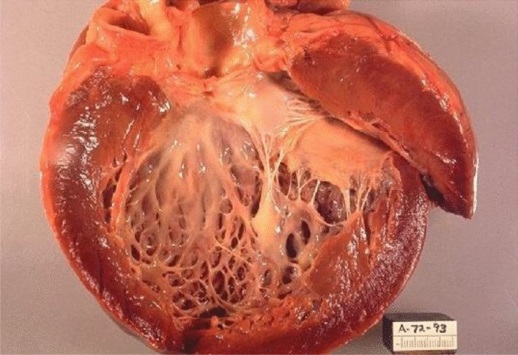
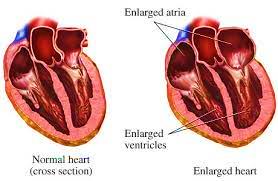
Keshan disease and its relationship to Selenium<br /> The first case of Keshan sickness was discovered in 1935 in Keshan, China's Heilongjiang province. People have reported it in 14 provinces across the country since then. The majority of known cases of the disease have occurred in rural, mountainous locations, where much of the population confronts financial challenges or lacks access to basic necessities including education, health care, shelter, and income.<br /> Keshan illness can affect anyone, however it is most common in males and women of childbearing ageTrusted Source. Overall, 13.6 percent of all cases Trusted Source involve people under the age of 30, indicating that the problem is still common today.Since then, many more Chinese regions have been discovered with endemic selenium deficiency due to a shortage of the element in the topsoil. <br /> <br />The following are some of the possible causes of Keshan disease: a lack of selenium,Infection caused by a virus or fungus,malnutrition,Toxic substances in the environment and Seasonal variations. Although evidence is still equivocal, a lack of the trace mineral selenium is the most likely cause of the illness.Several studies have connected endemic illnesses, such as Keshan disease, to a deficiency of selenium in the soil. The fact that the ailment is more widespread in areas with low levels of selenium in the soil and, as a result, in the food grown there, lends credence to this notion.A secondary trigger, such as Coxsackievirus, appears to be present in the majority of cases.Increased selenium in the diet has a positive effect in the majority of cases.<br /> <br /><br />Patients with phenylketonuria who are on a diet have extremely low selenium levels but no symptoms of cardiomyopathy. It can be classified into four types clinically: acute, subacute, Chronic and latent.The case mortality is relatively high, with the exception of the latent form. Kishan's disease patients would have an extremely strict heart. He also causes high incidences of racial discrimination, cardiovascular illness, high blood pressure, and strokes. Furthermore, the person may suffer from pessimism, eczema, arthritis, infections, or unions.The ultrastructural alterations in the myocardium of latent Keshan disease patients taken by cardiac catheter endomyocardial biopsy were not restored by selenium supplementation.<br /> <br /><br />By: Huda Sabah Jabr <br />Email: [email protected]<br /><br />