Scientific Article by the Head of the Department of Medical Biochemistry, Prof. Dr. Nasser Abdul-Hassan Nasser Title: The Role of Medical Biochemistry in Targeted Therapy
28/12/2025 Share :
Abstract
Targeted therapy represents a paradigm shift in modern medicine,moving away from generalized treatments to precise interventions that address the molecular roots of disease. This transformative approach is fundamentally grounded in the science of medical biochemistry. By deciphering the intricate chemical processes and signaling pathways within cells, medical biochemistry provides the essential framework for identifying disease-specific targets, developing intelligent therapeutic agents, and implementing biomarker-guided treatment strategies. This article elucidates the pivotal role of medical biochemistry as the foundational discipline enabling the development, application, and future advancement of targeted therapies in oncology and beyond.
1. Introduction: The Evolution from General to Molecular Medicine
For decades, treatments like conventional chemotherapy operated on a broad, often debilitating principle: attacking rapidly dividing cells. This affected both diseased and healthy tissues, leading to significant side effects. The advent of medical biochemistry, which studies the chemical reactions, proteins, enzymes, and genetic material within living cells, has revolutionized this approach. By understanding diseases at a molecular level, scientists can now identify specific vulnerabilities unique to pathological cells. Targeted therapy exploits these vulnerabilities using drugs or other substances designed to interfere with specific molecules involved in disease progression, offering a more precise and less toxic alternative.
2. The Foundational Pillars: How Medical Biochemistry Enables Targeted Therapy
Medical biochemistry contributes to targeted therapy through several interconnected pillars:
1. Deciphering Molecular Pathways and Identifying Targets
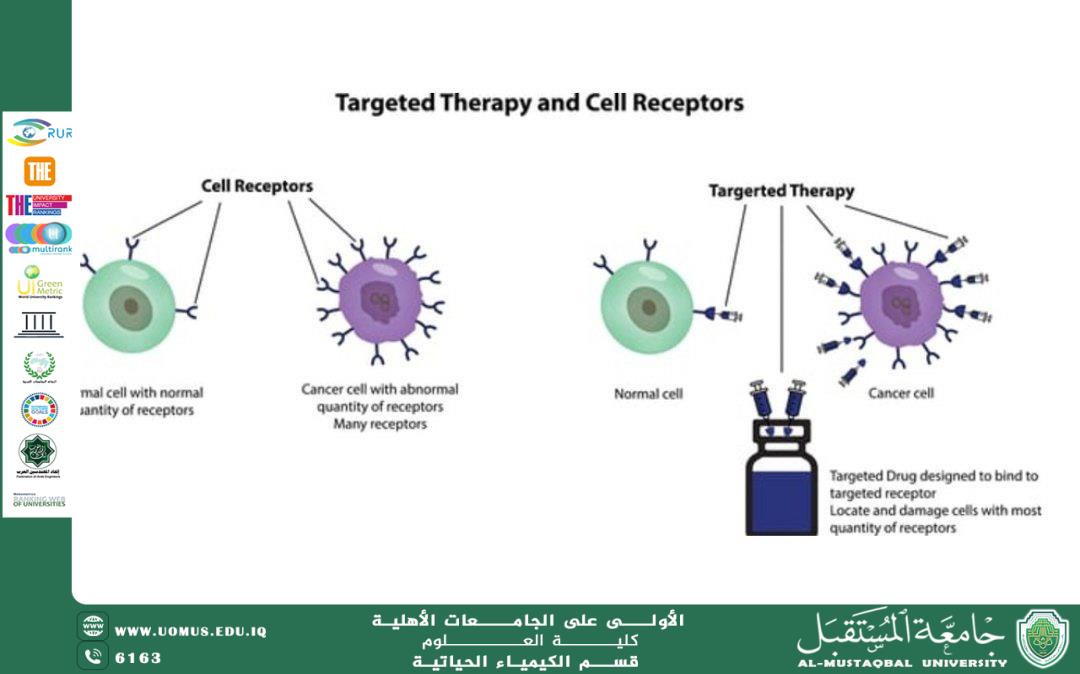
The first step is understanding the biochemical anomalies that drive a disease.Medical biochemists map out signaling pathways—such as those involving growth factor receptors—that are dysregulated in conditions like cancer. For example, the overactivity of the Epidermal Growth Factor Receptor (EGFR) protein is a common driver in many cancers. Identifying such key proteins or mutated genes provides the specific "address" for targeted therapy.
2. Rational Drug Design and Development
Once a target is identified,medical biochemistry guides the design of therapeutic agents. These primarily fall into two classes, distinguished by their biochemical nature and mechanism:
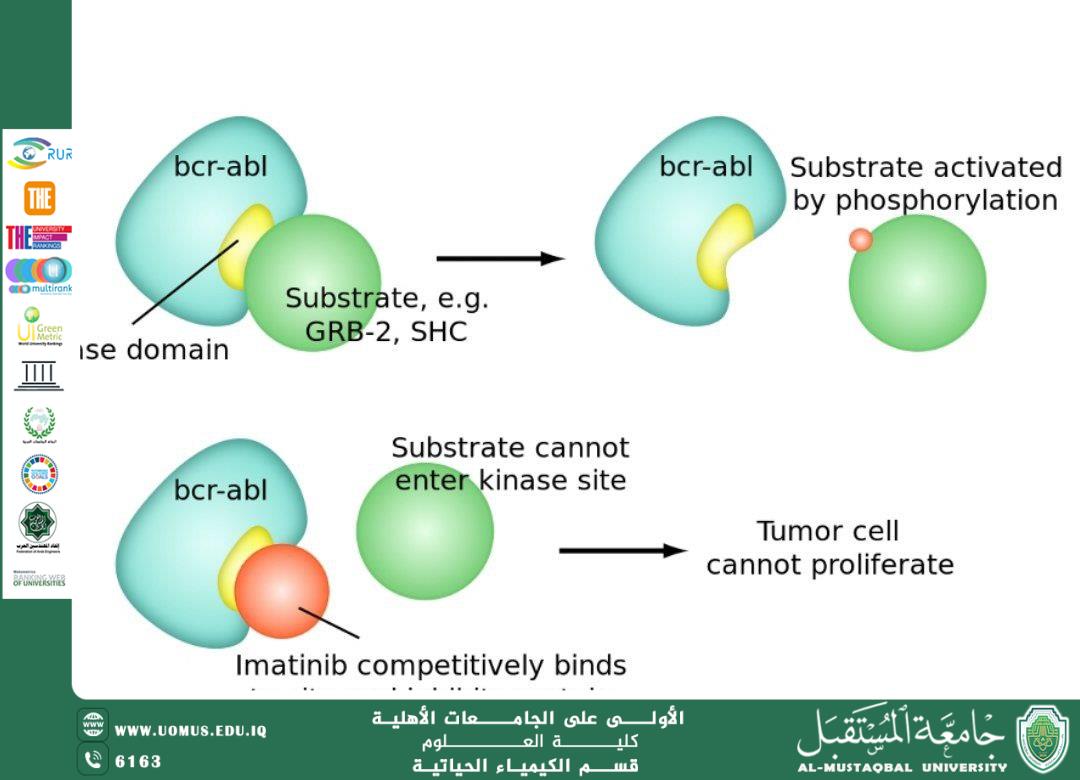
· Small-Molecule Inhibitors: These are chemically synthesized, low-molecular-weight compounds that can easily penetrate cell membranes to disrupt internal targets (e.g., enzymes like Tyrosine Kinase). They are often administered orally.
· Monoclonal Antibodies: These are large, biologically derived proteins designed to bind with high specificity to targets on the outer surface of cells. They are typically given by infusion and can block signals or flag cells for destruction by the immune system.
3. Biomarker Discovery and Companion Diagnostics
A critical biochemical contribution is the discovery ofbiomarkers—measurable molecular indicators (like proteins or genetic mutations) that provide information about a disease. In targeted therapy, biomarkers are used to:
· Select Patients: Determine if a patient's tumor harbors the specific target (e.g., HER2 protein in breast cancer), ensuring the drug is given only to those likely to respond.
· Monitor Response and Resistance: Track changes in biomarker levels to assess treatment efficacy or detect the emergence of resistance.
3. Key Applications and Clinical Impact
The application of biochemical principles has led to successful targeted treatments across multiple disease areas.
Oncology: A Primary Frontier
Targeted therapy has had its most profound impact in cancer care.Treatments are now tailored based on the molecular profile of a tumor rather than solely its location.
· Chronic Myeloid Leukemia (CML): Drugs like imatinib target the BCR-ABL fusion protein, a direct product of a genetic mutation, transforming CML into a manageable chronic condition.
· Non-Small Cell Lung Cancer (NSCLC): Patients with tumors carrying EGFR mutations receive EGFR inhibitors, which are more effective and less toxic than chemotherapy for this subgroup.
· Breast Cancer: The monoclonal antibody trastuzumab specifically targets HER2-positive breast cancer cells, significantly improving outcomes.
Beyond Cancer
The principles of targeted therapy are expanding to other fields.For example, in cystic fibrosis, drugs have been developed to correct the function of the defective CFTR protein resulting from specific genetic mutations. This exemplifies how understanding a biochemical defect at the molecular level leads to precise interventions.
4. Overcoming Challenges and Future Directions
Despite its success, targeted therapy faces challenges rooted in biological complexity.
Primary Challenges
· Treatment Resistance: Tumor cells can evolve, activating alternative biochemical pathways to bypass the targeted block.
· Tumor Heterogeneity: Different cells within the same tumor may have varying molecular profiles, making a single target insufficient.
· High Cost and Accessibility: The development and production of sophisticated biologic drugs and diagnostic tests remain expensive.
Future Biochemical Innovations
Addressing these challenges requires deeper biochemical insights and novel technologies:
· Combination Therapies: Simultaneously targeting multiple pathways to prevent resistance.
· Advanced Drug Delivery: Using nanoparticle systems to deliver drugs more efficiently and directly to diseased cells.
· Liquid Biopsies: Biochemically detecting tumor-derived DNA in blood (circulating tumor DNA) for non-invasive monitoring and early detection of resistance.
· Next-Generation Tools: Integrating artificial intelligence (AI) to analyze complex biochemical and genomic data, and exploring gene-editing technologies like CRISPR for potential corrective approaches.
5. Conclusion
Medical biochemistry is the cornerstone upon which the edifice of targeted therapy is built. It transitions medicine from a reactive, symptom-focused practice to a proactive, mechanism-based science. From target identification and drug design to patient selection through biomarkers, every step is guided by a deep understanding of cellular chemistry. As research continues to unravel the intricate biochemical networks of disease and technology evolves to intervene with ever-greater precision, targeted therapy will continue to expand, offering more effective, personalized, and humane treatments for patients worldwide. This journey solidifies the central, indispensable role of medical biochemistry in shaping the future of precision medicine.
Al-Mustaqbal University
Ranked First among Private Iraqi Universities