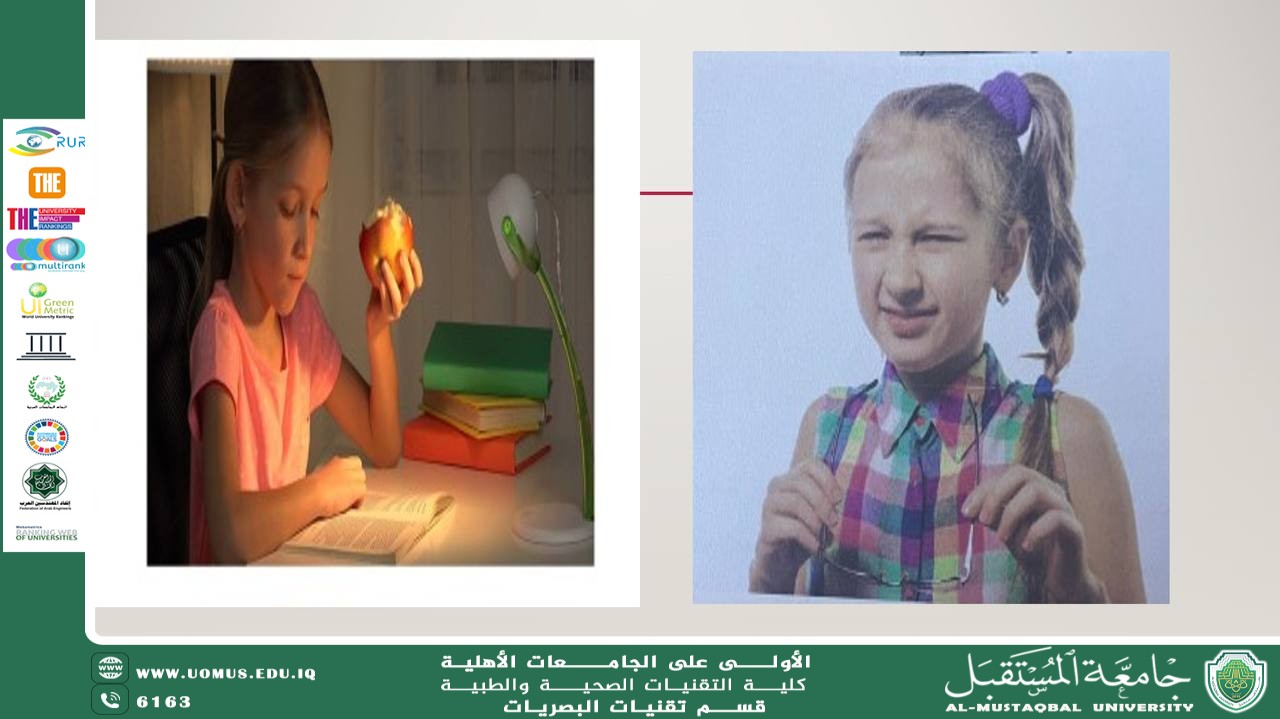
Gradual coating of the fogging lens is an appropriate treatment to reduce the discomfort of bright light in children on the autism spectrum.
13/12/2025 Share :
A gradual surface coating (tinting process) is applied to the surface of defogging lenses. The coating has a thickness of 0.5 mm and is applied at a temperature of up to 50°C, using light shades such as gray, blue, or light green, or any other light color that is compatible with the patient’s frame color. The coating operates within the short visible wavelength range.
The gradual coating does not affect the required lens power (prescription). It provides a light transmittance of 20–40%, which helps reduce discomfort caused by intense lighting, especially visible white light. The tinting and defogging processes are performed under the condition that they do not affect the function, shape, or aesthetic appearance of the lenses.
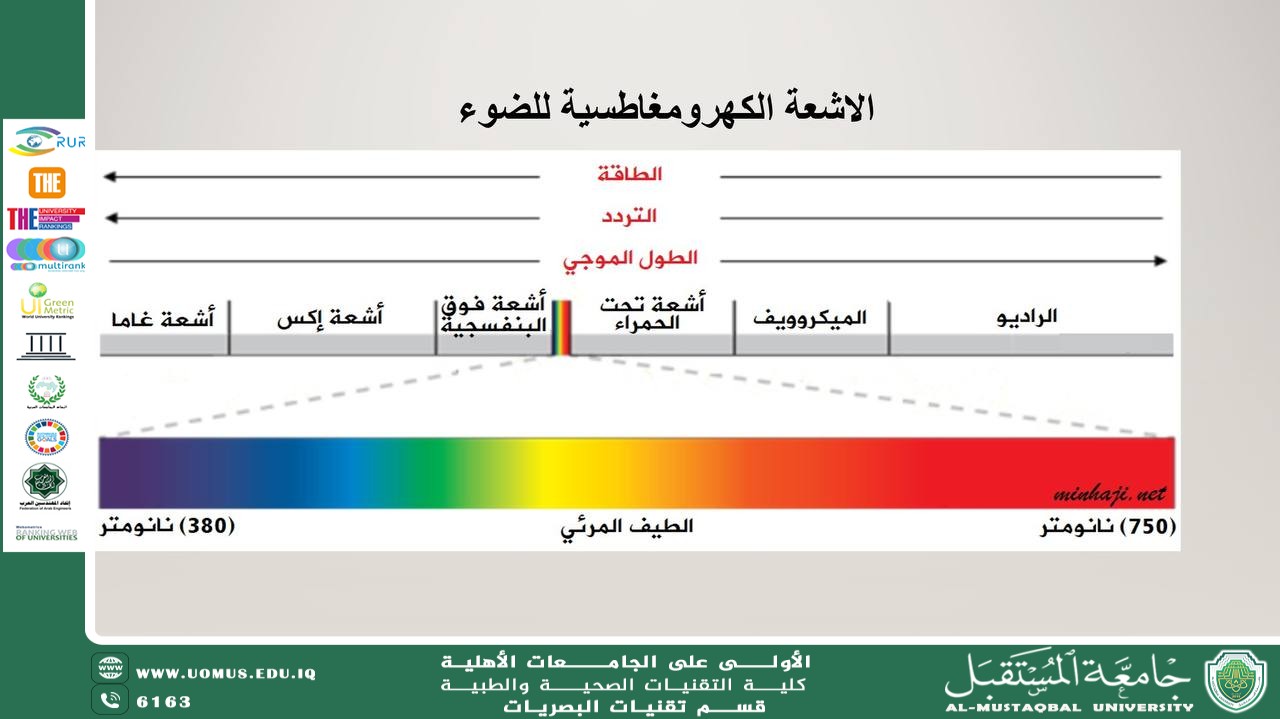
From a physiological perspective, the use of the above-mentioned colors by children with Autism Spectrum Disorder helps create adaptive contrast in the nervous system and visual receptors in the retina. Colors within the short wavelength range (less than 450 nm), such as gray, blue, and light green, stimulate the optic nerve and promote the release of calming neurotransmitters, such as serotonin, which contributes to relaxation, improved focus, and attention.
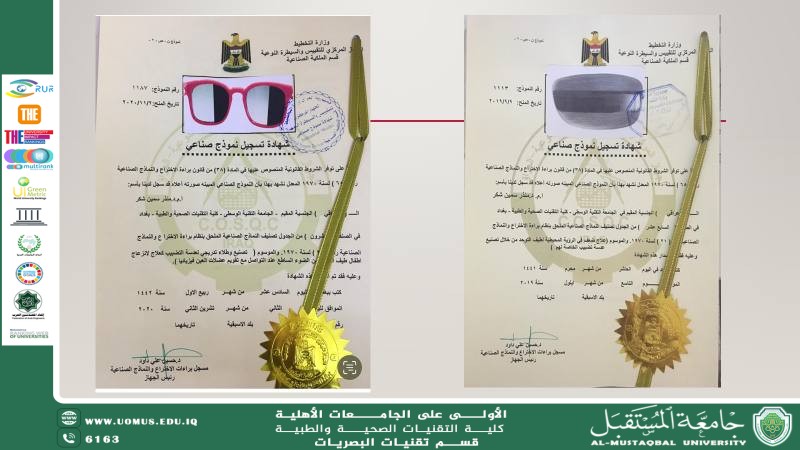
For the first time, we have obtained an Industrial Design Certificate from the Central Organization for Standardization and Quality Control – Ministry of Planning.