Pulmonary Edema (Fluid Accumulation in the Lungs)
03/01/2026 Share :
Pulmonary Edema (Fluid Accumulation in the Lungs)
Introduction
Pulmonary edema is a serious medical condition characterized by the accumulation of fluid in the lung tissues and alveoli. This condition interferes with normal gas exchange and leads to impaired oxygenation of the blood. Pulmonary edema is considered a medical emergency that requires prompt diagnosis and appropriate treatment to prevent life-threatening complications.
Scientific Definition
Pulmonary edema is defined as the abnormal accumulation of fluid within the interstitial spaces and alveoli of the lungs due to increased hydrostatic pressure or increased permeability of the pulmonary capillaries, resulting in reduced oxygen diffusion.
Causes of Pulmonary Edema
Pulmonary edema can be classified into two main types:
Cardiogenic Pulmonary Edema:
This type occurs as a result of left-sided heart failure, which leads to increased pressure in the pulmonary circulation and fluid leakage into the lungs. Common causes include:
Congestive heart failure
Myocardial infarction
Valvular heart diseases
Non-cardiogenic Pulmonary Edema:
This type is not directly related to heart dysfunction and may result from:
Severe lung infections
Acute Respiratory Distress Syndrome (ARDS)
Inhalation of toxic substances or smoke
Trauma and severe physical injury
Clinical Symptoms
The severity of symptoms depends on the amount of fluid accumulation and the underlying cause. Common symptoms include:
Severe shortness of breath
Cough producing frothy, sometimes pink sputum
Rapid or irregular heartbeat
Difficulty breathing, especially when lying flat
Cyanosis of lips and extremities in advanced cases
Diagnosis
The diagnosis of pulmonary edema is based on clinical assessment and diagnostic investigations, including:
Physical examination and lung auscultation
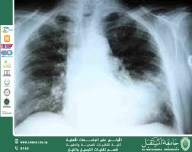
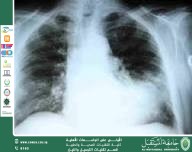
Chest X-ray imaging
Arterial blood gas analysis
Echocardiography to assess cardiac function
Treatment
Management of pulmonary edema focuses on improving oxygenation and treating the underlying cause. Treatment options include:
Oxygen therapy
Diuretics to reduce excess fluid
Medications to support cardiac function in cardiogenic cases
Mechanical ventilation in severe cases
Complications
If left untreated, pulmonary edema may lead to serious complications such as:
Acute respiratory failure
Severe hypoxia
Cardiac arrest in critical cases
Conclusion
Pulmonary edema is a life-threatening condition that requires immediate medical attention. Early diagnosis and proper treatment are essential to reduce morbidity and mortality. Increased awareness of its causes and
symptoms can help in early detection and improve patient outcomes.
University of Al-Mustaqbal
The First University in Iraq