Cardiopulmonary Resuscitation (CPR): A Lifesaving Skill Everyone Should Master
28/12/2025 Share :
In emergencies, the difference between life and death can lie in the hands of someone with the right skills. Among these vital skills, cardiopulmonary resuscitation (CPR) stands out as a lifesaving tool in cases of cardiac arrest or suffocation. Knowing how to perform CPR is crucial, as this skill can be the difference between survival and death until specialized medical help arrives. In this article, we will discuss the importance of learning CPR and why everyone should be familiar with this essential skill that could save a life in a critical moment.
1. The Importance of CPR:
1.1. Maintaining Blood Flow to Vital Organs:
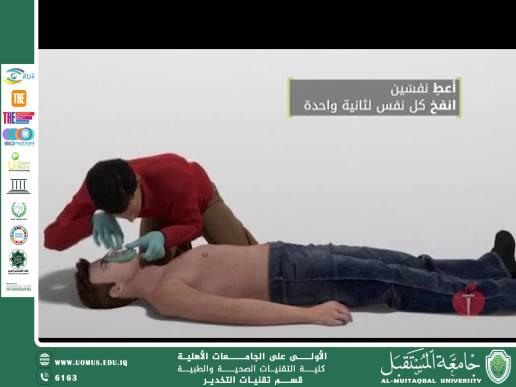
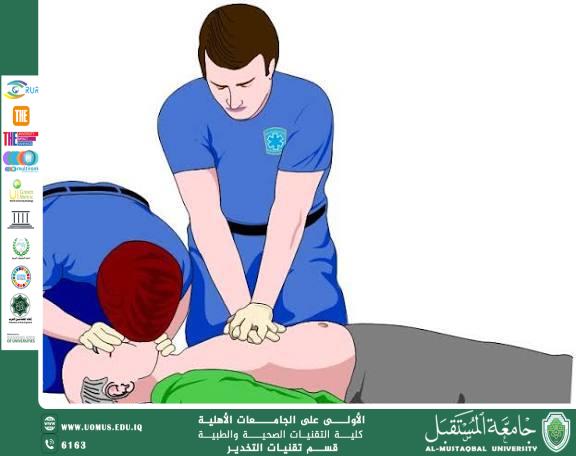
CPR restores blood flow to vital organs, such as the heart and brain, which rely on oxygen to maintain their functions. When the heart stops beating, the flow of oxygen-rich blood also ceases, leading to rapid cell death. When a trained person performs CPR, blood is temporarily pumped back into these organs until specialized medical help arrives.
1.2. Sustaining Life Until Emergency Arrives:
CPR is a vital means of survival until emergency medical teams arrive. According to statistics, every minute that passes after cardiac arrest reduces the chances of survival by 10%. This means that any delay in providing CPR reduces the likelihood of survival. In situations where automated external defibrillators (AEDs) are unavailable, CPR becomes the only effective way to sustain life until specialists arrive.
1.3. Immediate Response and Ease of Application:
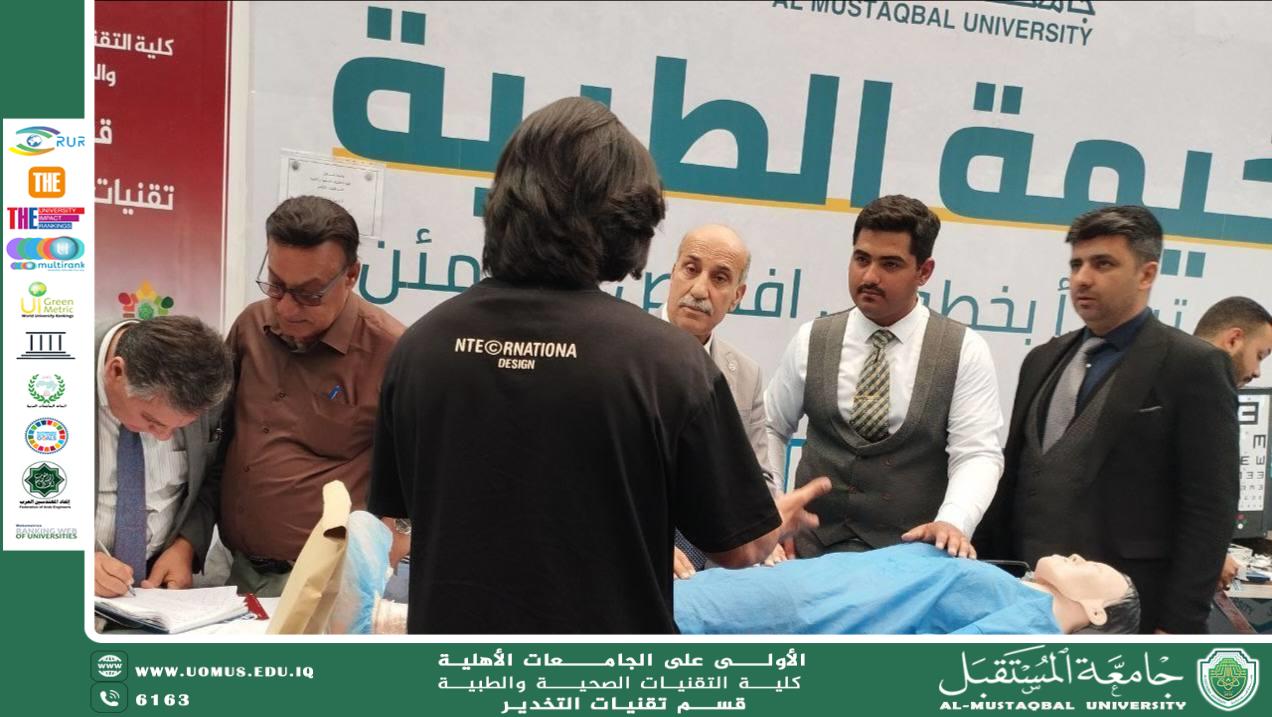
One of the most important advantages of CPR is that it can be performed by anyone with basic skills, even if they are not a doctor or nurse. The steps of CPR are relatively simple and performed quickly, making it a skill that everyone can learn and use in emergencies.
2. Situations Requiring the Use of CPR:
2.1. Sudden Cardiac Arrest:
Cardiac arrest occurs when the heart suddenly stops pumping blood, leading to rapid loss of consciousness. This can be caused by heart problems such as a heart attack or arrhythmias. In this case, CPR is lifesaving because the heart needs immediate resuscitation to restore blood circulation.
2.2. Choking:
Choking caused by airway obstruction can lead to cessation of breathing and loss of consciousness. In such cases, CPR helps restore oxygen to the brain and heart, giving the person a chance to survive until they can breathe again.
2.3. Respiratory Arrest:
In cases of respiratory arrest, breathing has stopped, but the heart is still beating. In this case, CPR's role is to restore oxygen flow to the brain and other organs to prevent permanent damage.
3. Why Should Everyone Learn CPR?
3.1. Saving Lives in Emergencies:
CPR skills are essential in emergencies where people are suddenly struck by a sudden shock. People who know how to perform CPR can save lives when every moment counts. For example, if someone suffers cardiac arrest in a public place or at home, simply knowing this skill can change the course of events.
3.2. Reducing the Burden on the Healthcare System:
When community members can provide CPR immediately, they reduce the burden on hospitals and emergency medical teams. This not only contributes to a decrease in deaths but also enhances the healthcare system's ability to handle emergencies more efficiently.
3.3. Being Able to Help Family and Friends: Learning CPR is not only useful in public places or at work, but it can also be beneficial within the family or among friends. Being able to save the life of someone close to you in a critical moment is invaluable.
3.4. Boosting Confidence in Emergency Situations: By learning CPR, individuals become more confident and calm in handling emergencies. The skills acquired through training provide a sense of security and allow individuals to act quickly and effectively when needed.
4. How to Learn CPR?
4.1 Certified Training Courses:
There are many certified courses offered by health organizations such as the American Red Cross and the American Heart Association (AHA). These courses include training on how to perform CPR correctly, as well as learning how to use automated external defibrillators (AEDs) and provide first aid in emergencies.
4.2. Regular Skills Updates:
It is essential for individuals who have learned CPR to regularly update their skills, as medical guidelines and instructions are frequently revised. Continuous practice helps maintain proficiency in using this skill in real-life situations.
Conclusion: Learning CPR is crucial for everyone. This simple skill can mean the difference between life and death in emergencies. By acquiring this skill, we not only contribute to saving lives but also help strengthen the community's ability to respond to critical situations. Knowing how to perform CPR gives individuals the confidence to faceemergencies and reduces the burden on emergency medical teams. Therefore, learning CPR should be a fundamental part of health education for every member of the community to ensure we are always prepared to help others in times of need.
Ali Rasool
Al-Mustaqbal University
The First University in Iraq.