Cosmetic Laser: Your Path to More Youthful Skin and a Firmer Body (A Scientific Article for University Publication)
04/01/2026 Share :
Introduction
Amidst the rapid scientific advancements in the field of cosmetic medicine, laser technologies have emerged as one of the most revolutionary tools, transforming the concepts of skin and body care. The laser is no longer merely a precise beam of light used in surgical procedures; it has evolved into an integrated technological system offering minimally invasive or non-invasive solutions to numerous aesthetic challenges. From treating facial wrinkles to removing unwanted hair, and from skin tightening to addressing hyperpigmentation, cosmetic laser has become a scientifically validated option within reputable medical institutions. This article aims to shed light on the scientific foundations of cosmetic laser techniques, their various mechanisms of action, and their benefits supported by scientific research, thereby providing a deeper understanding of these advanced technologies for the academic community.
Exposition
1. The Physical and Scientific Principle of Cosmetic Laser Technology
Cosmetic laser technology is based on the principle of Selective Photothermolysis. A concentrated light energy with a specific wavelength is absorbed by a precise target (chromophore) in the skin, such as melanin in hair, hemoglobin in blood vessels, or water within cells. This absorbed light energy is converted into heat, leading to the destruction of the selected target while preserving the surrounding healthy tissue.
2. Scientific Classification of Major Cosmetic Laser Types
Lasers can be classified based on their wavelength and the type of chromophore they target:
· Erbium:YAG (Er:YAG) and Carbon Dioxide (CO2) Lasers: Target water within cells. They are used for skin resurfacing and ablation of fine superficial layers, stimulating collagen regeneration to treat wrinkles and scars.
· Pulsed Dye Laser (PDL): Targets oxyhemoglobin in blood vessels. It is the preferred choice for treating visible blood vessels, rosacea, and some vascular birthmarks.
· Erbium:Glass (Er:Glass) and Neodymium:YAG (Nd:YAG) Lasers: Target hair follicles (melanin) and are primarily used for permanent hair reduction.
· Alexandrite Laser: Targets melanin and is used for hair removal and treating pigmentation issues like sunspots and freckles.
· Dual Lasers and Combined Technologies: Combine two or more wavelengths to achieve multifaceted results, such as skin tightening alongside skin tone improvement.
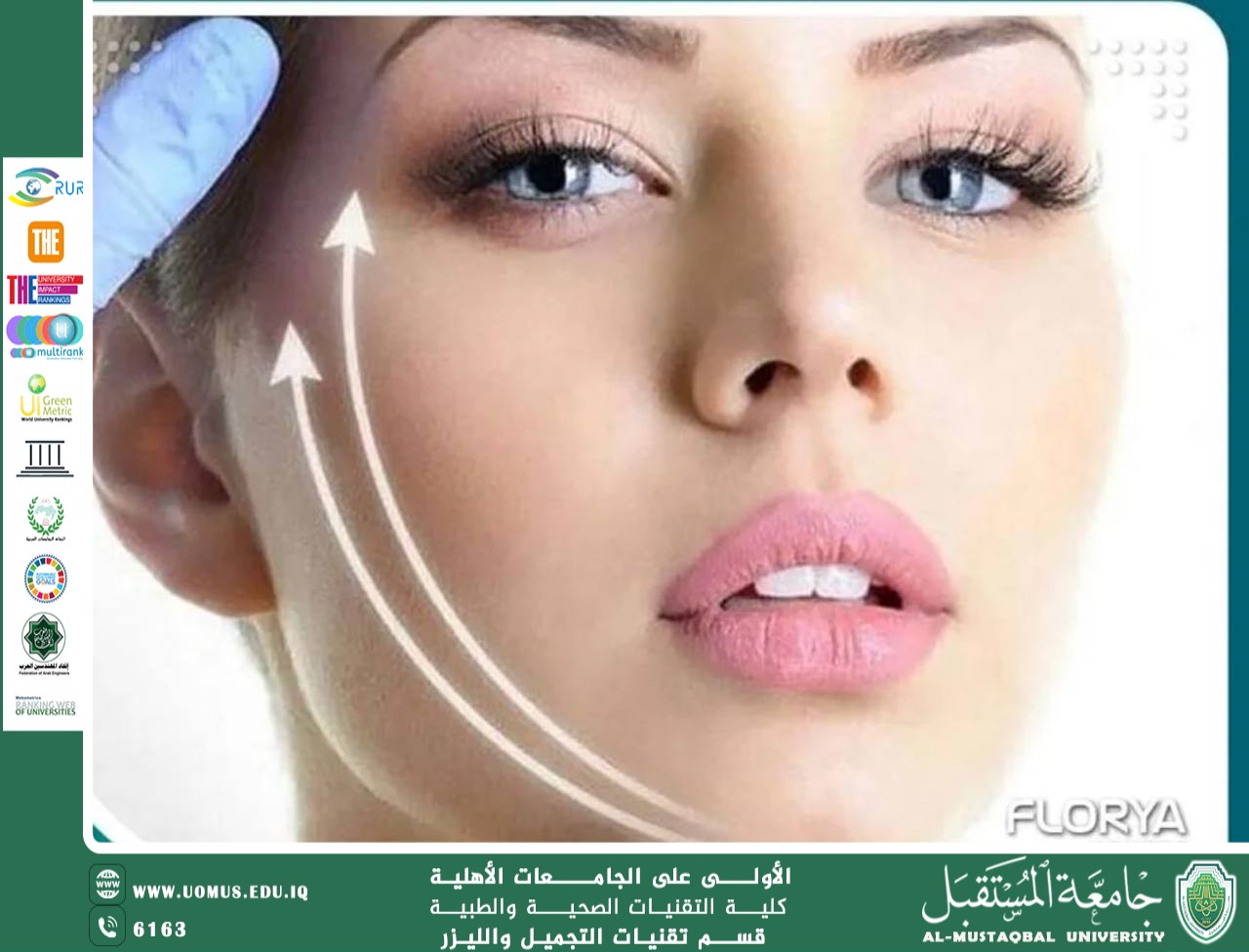
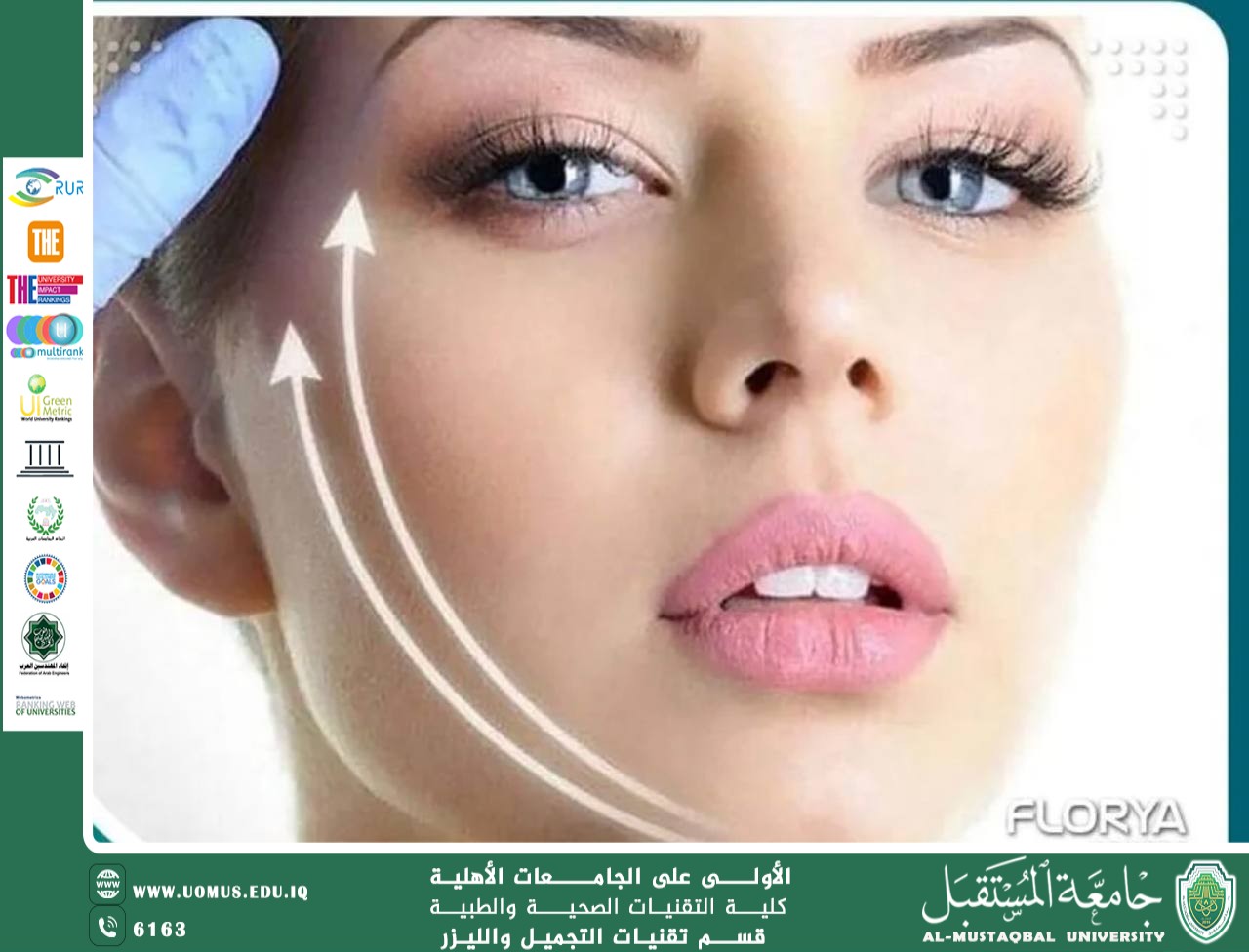
3. Non-Surgical Skin Tightening for Face and Body: Mechanisms and Progress
Advanced techniques for non-surgical tightening rely on principles such as:
· Cold Laser or Low-Level Laser Therapy (LLLT): Stimulates the production of Adenosine Triphosphate (ATP) within cells, promoting cellular regeneration and collagen synthesis.
· Fractional Thermal Laser: Emits a light beam that penetrates deep skin layers, creating controlled microthermal injuries. This triggers the body's natural wound-healing response, significantly boosting the production of collagen and elastin, leading to gradual skin tightening.
4. Scientific Protocols and Safety Considerations
Despite the efficacy of laser treatments, several scientific standards must be observed to ensure results and safety:
· Accurate Diagnosis: Determining skin type (using the Fitzpatrick scale) and the precise nature of the issue before selecting the appropriate laser.
· Technical Parameters: Precisely calibrating device settings (wavelength, fluence, pulse duration) according to the individual case.
· Post-Procedure Care: Adhering to specific protocols for skin protection and to enhance the healing process.
Conclusion
Cosmetic laser represents a genuine scientific leap in the field of aesthetic medicine, combining physical precision with biological targeting to achieve results once exclusive to traditional surgery.
Scientific evidence indicates that these technologies, when applied by qualified specialists using approved devices, provide a safe and effective solution for many aesthetic concerns, while minimizing recovery time and potential complications.
However, true success remains contingent upon a profound understanding of the scientific principles underlying each technology and a meticulous, case-by-case evaluation. As an academic community, it is crucial to encourage ongoing research to refine these technologies and raise awareness about their responsible use, thereby ensuring the highest standards of healthcare and aesthetic practice. The future promises even smarter and more personalized laser technologies, working in harmony with the body's own biology to enhance both health and beauty.
Al _ Mustaqbal University, the first university in Iraq