A case study and field analysis entitled “Evaluating the use of a medical nebulizer in monitoring patients within the hospital”
04/01/2026 Share :
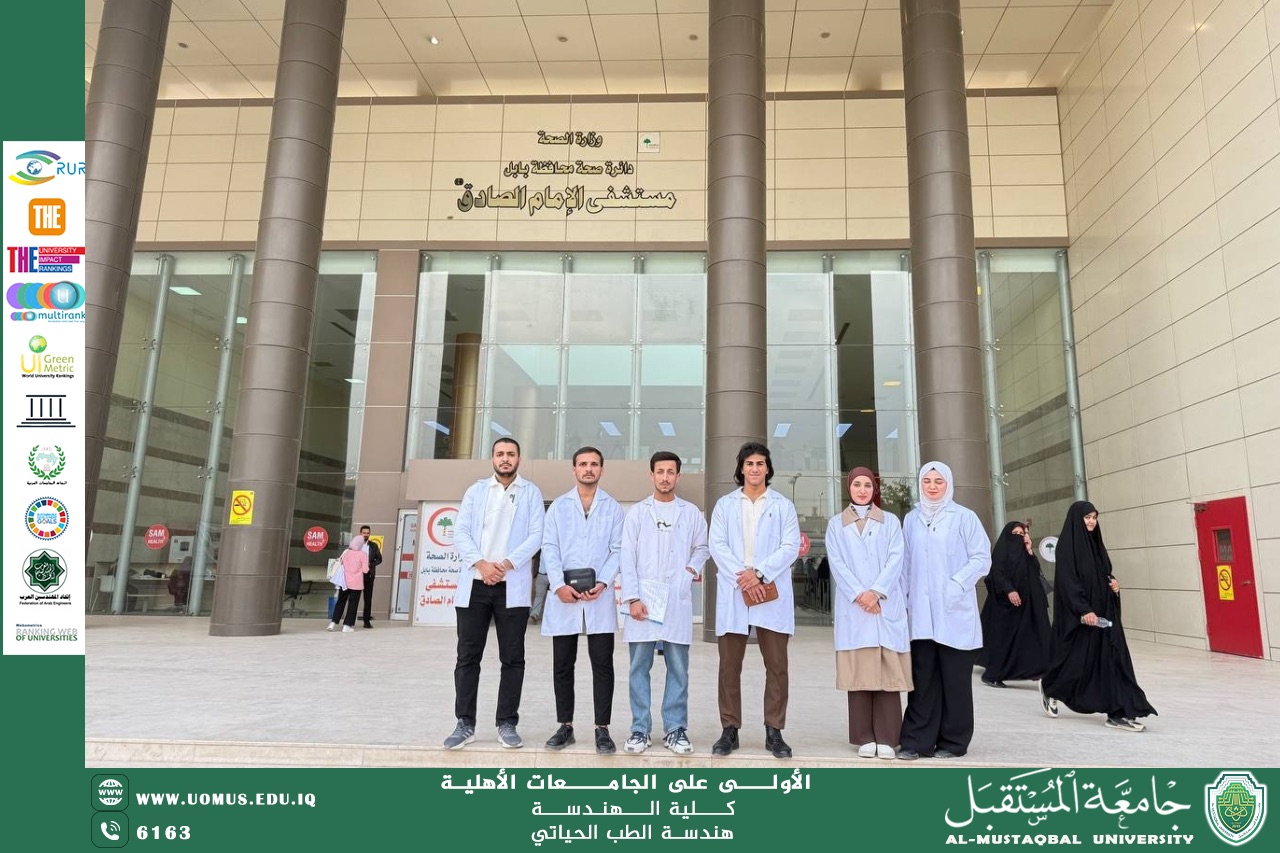
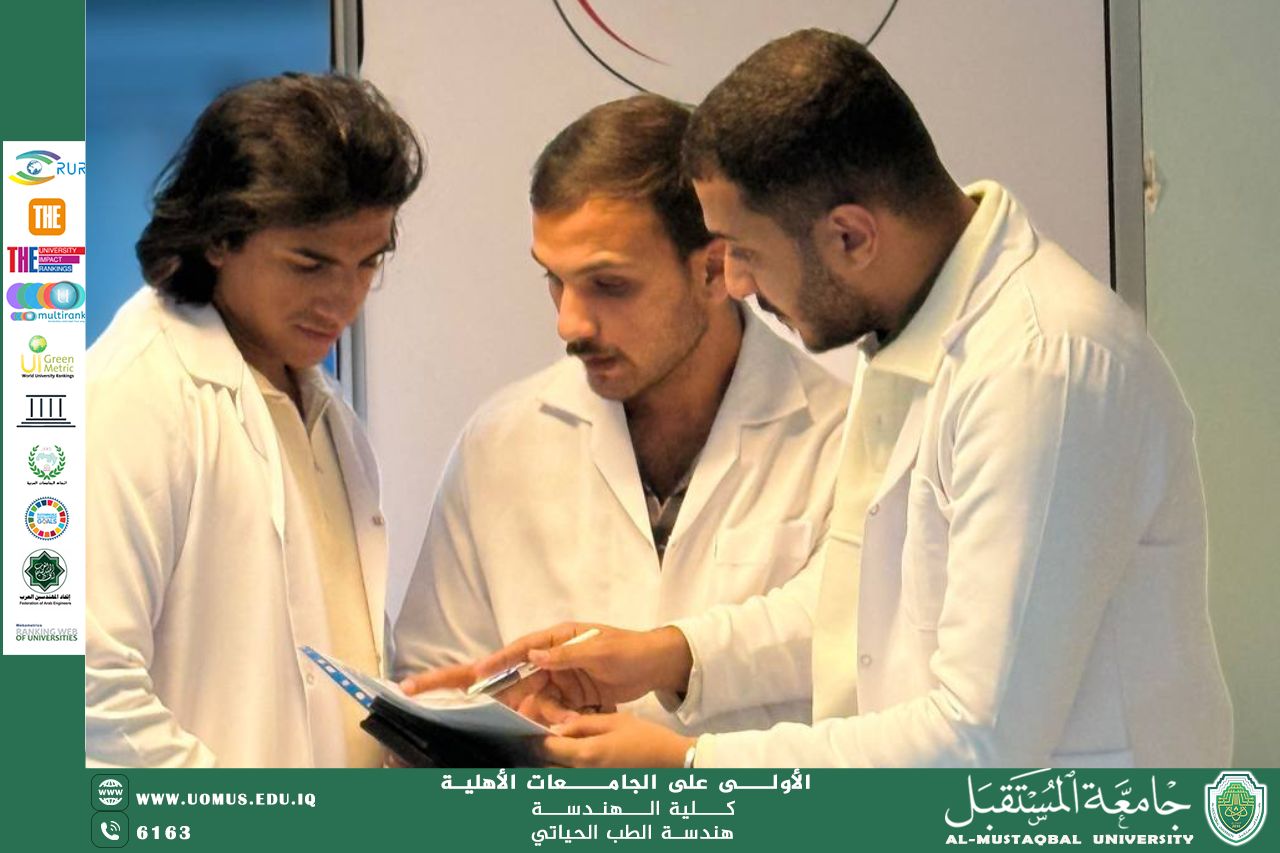
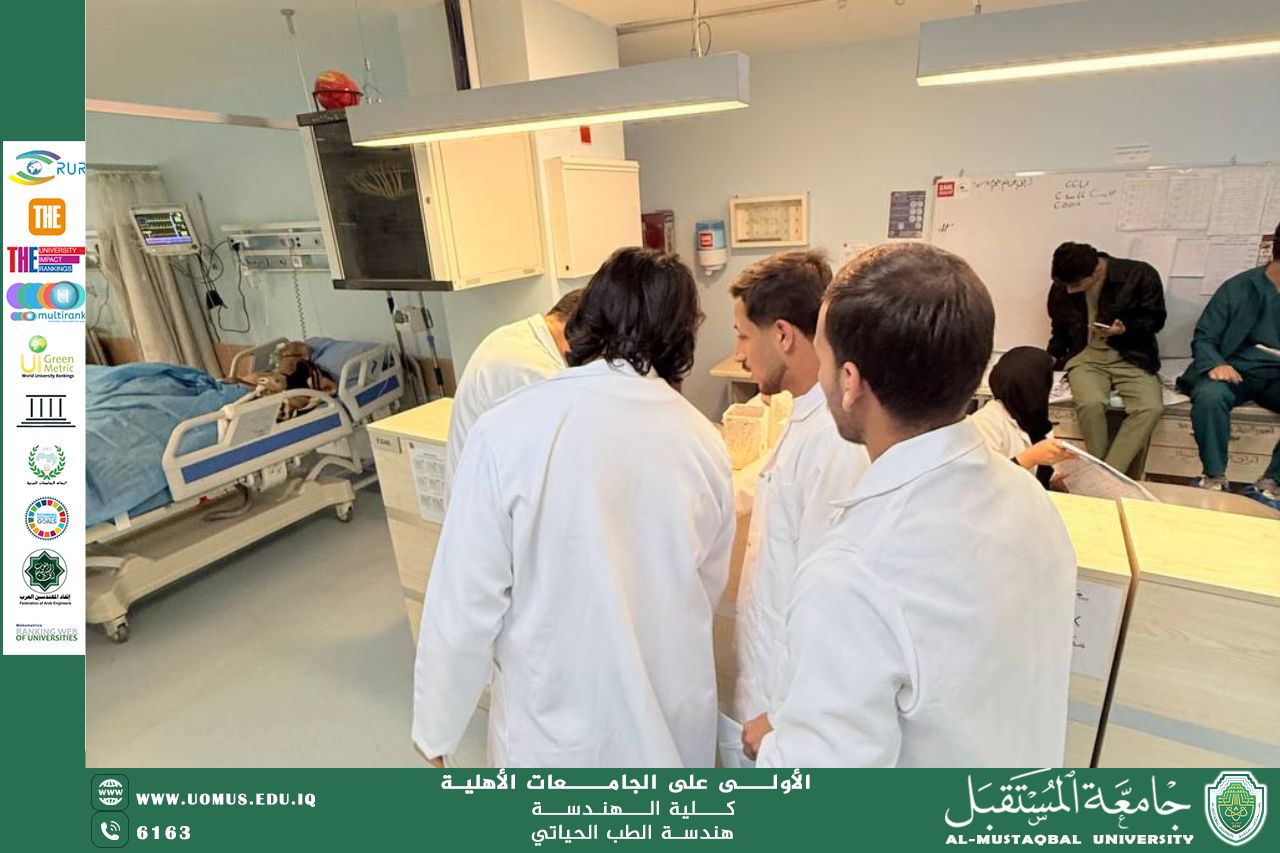
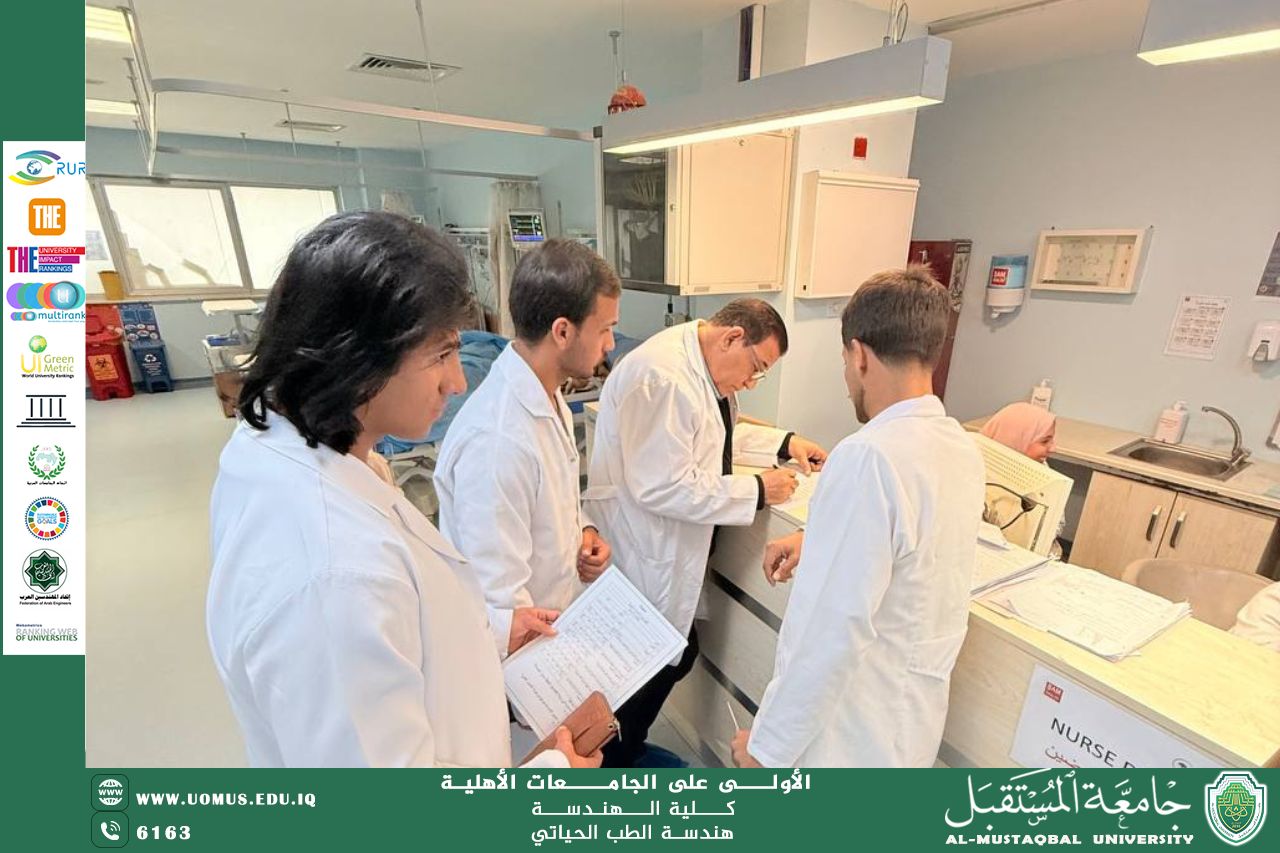
Third-year students in the Biomedical Engineering Department conducted a case study and field analysis titled “Evaluating the Use of Nebulizers in Inpatient Monitoring,” supervised by Assistant Lecturer Iman Yasser Hussein.
Within the framework of the Sustainable Development Goals (SDG 3), the physical and technical damage resulting from the misuse or malfunction of nebulizers poses a serious threat to public health. For example, a malfunctioning nebulizer can cause significant damage to the respiratory system, leading to impaired drug delivery and impaired lung function in patients. The respiratory system also suffers stress, as irregular vapor pressure increases the risk of acute respiratory distress. The lungs, which act as the body's oxygen filter, are subjected to considerable stress and may become less responsive to treatment over time due to deposit buildup or inadequate sterilization of the device. The immune system may be compromised if infections are transmitted through unsterilized accessories, making the body more susceptible to pneumonia. Therapeutic efficiency is compromised as the device's ability to convert medication into a fine mist diminishes, resulting in insufficient delivery of essential doses to the bloodstream. The risk of the device malfunctioning or becoming blocked during critical emergencies remains ever-present, potentially leading to sudden death—a real threat demanding engineering and medical awareness and caution.
We must also not forget the risk of the device failing to deliver emergency doses and the looming threat of sudden death due to inadequate maintenance.
Future University... ranked first among private universities.