A scientific article titled "Artificial Intelligence Techniques in Early Disease Detection" by Engineer Baraa Mahdi Saleh
06/01/2026 Share :
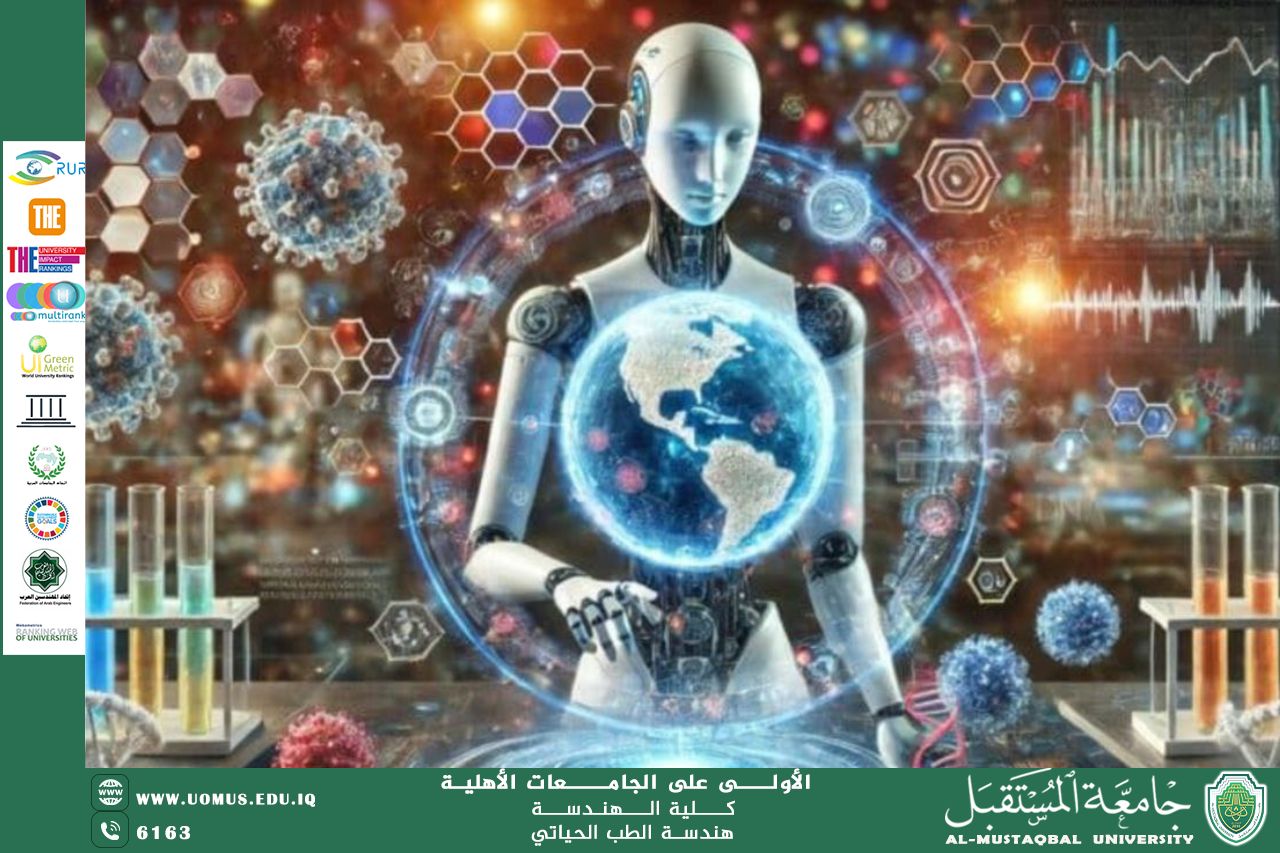
With the advancement of medical technologies, artificial intelligence (AI) has become an effective tool in improving medical diagnosis, particularly in detecting diseases in their early stages. This technology relies on analyzing massive amounts of medical data, which helps uncover subtle patterns that indicate the onset of disease development, even before obvious symptoms appear.
AI utilizes several techniques, most notably deep learning, which is used to analyze medical images such as X-rays and magnetic resonance imaging (MRI), contributing to the highly accurate detection of small tumors. Predictive algorithms are also used to analyze risk factors such as family history and medical records, helping to predict diseases like diabetes and heart disease.
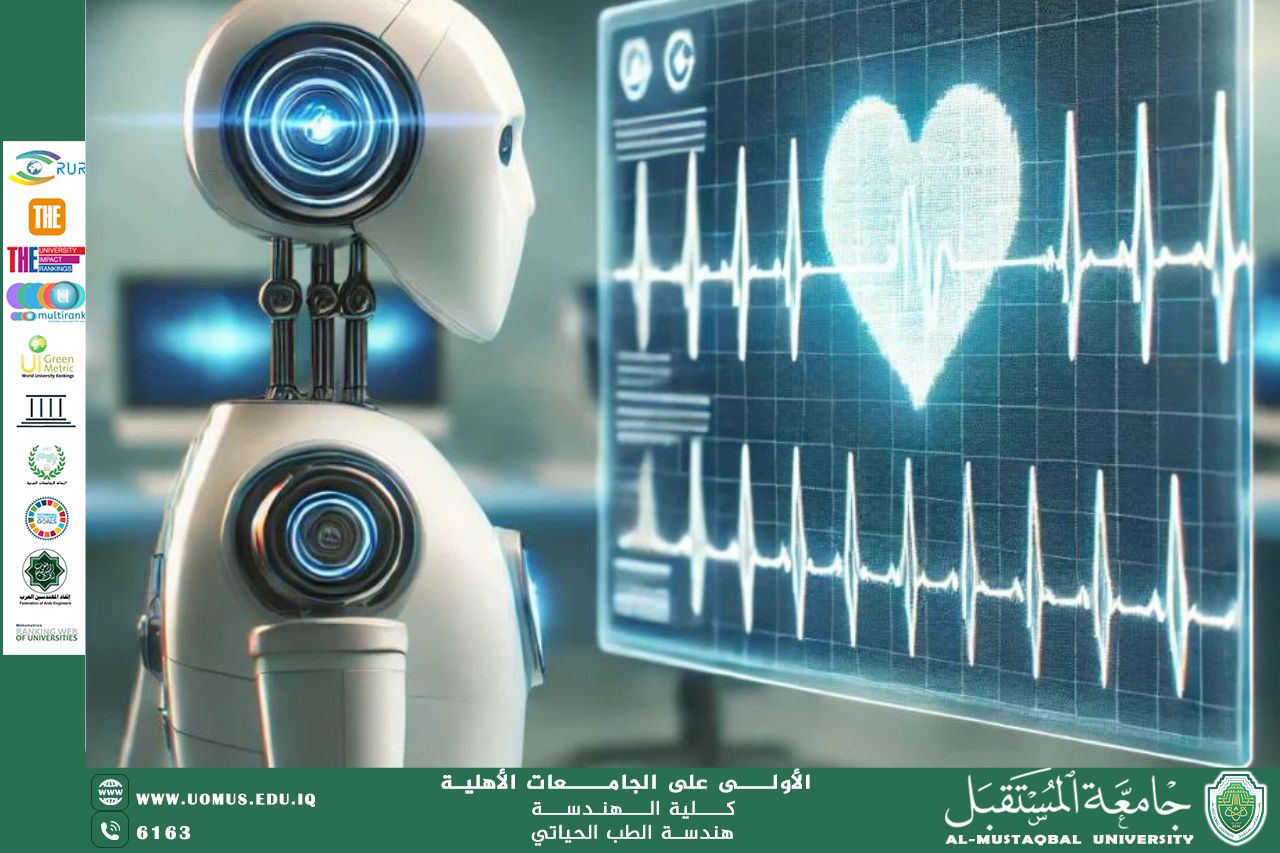
In the field of cancer, AI has helped detect breast and lung tumors in their early stages by analyzing radiological images with an accuracy that sometimes surpasses human diagnosis. AI has also proven its effectiveness in predicting heart disorders by analyzing electrocardiograms (ECGs) and detecting subtle changes that doctors might miss.
Despite its significant benefits, AI faces some challenges, including the need for accurate medical data and concerns related to patient privacy. The success of this technology also requires intensive training for medical staff to ensure its effective use.
Thanks to the continuous development of artificial intelligence technologies, this field is expected to revolutionize disease prevention and improve the quality of healthcare, contributing to saving lives and reducing treatment costs.
Al-Mustaqbal University is ranked first among private universities in Iraq.