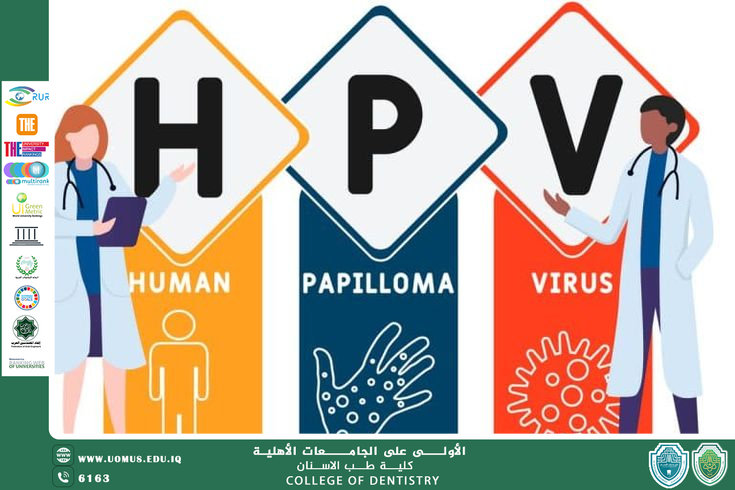
Women's health is at risk! Human papillomavirus (HPV), the silent enemy that threatens her life and sows the seeds of various cancers in her cells.
07/01/2026 Share :
Author: Prof. Saad Hassan Mohammed Ali
Human papillomavirus (HPV) - Symptoms and Causes:
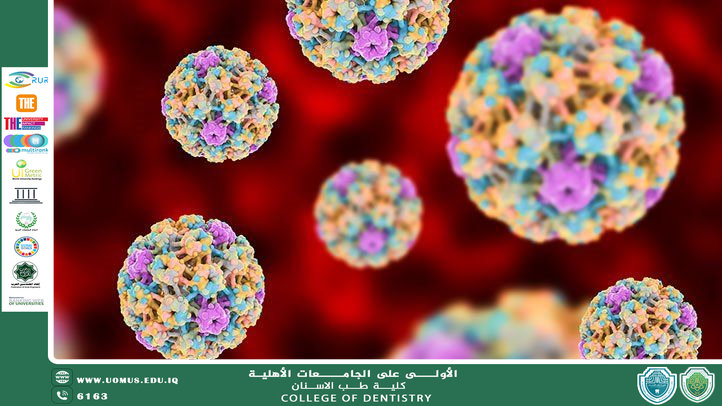
HPV is one of the most common sexually transmitted infections and often disappears on its own without issues, as recovery in women depends on their immune system's ability to eliminate it naturally (usually within 1-2 years) in about 90% of cases.
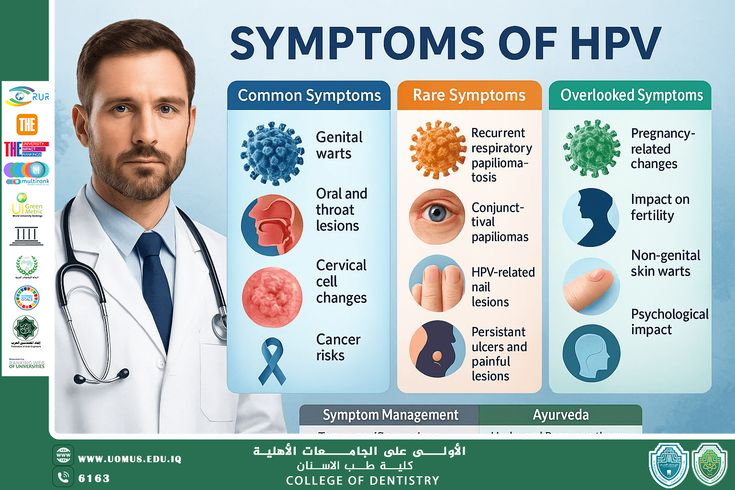
Most often, the disease shows no apparent symptoms, making it a "ticking time bomb" in society; thus, early screening and prevention are highly recommended to avoid serious complications.
The risk of the virus is greater when immunity is weakened; it can cause warts or, in some "high-risk" types, lead to the appearance of abnormal cells, increasing the likelihood of developing multiple cancers such as cervical, anal, penile, head, and skin cancers, as well as in other areas like the mouth, back of the throat, base of the tongue, and tonsils over a period of 15 to 20 years if left untreated.
Types of human papillomavirus:
There are more than 200 types of human papillomavirus (HPV). Types 6 and 11 cause about 90% of genital warts, while the more high-risk types 16 and 18 are responsible for approximately 70% of cervical cancer cases. Types 31, 33, 45, 52, and 58 cause about 19% of cervical cancers. The types 35, 39, 51, 56, and 59 are less common causes of these cancers.
Targeted treatment for complications:
There is no definitive cure for the virus itself, but genital warts can be removed using cauterization, laser, cryotherapy, or medicinal creams. Abnormal changes in the cervix are treated with surgical procedures such as electrosurgical excision (LEEP) or cone biopsy to prevent cancer.
Factors that enhance recovery and prevent complications:
Strengthening the immune system through proper nutrition, exercise, avoiding smoking, using vaccines to prevent the strains that cause cancer and warts, using condoms, and avoiding multiple partners reduce the risks.
Modes of transmission:
Transmission methods include skin contact with a wound or scratch, contact with genital organs, sharing towels or underwear, and contact with saliva, especially during oral sex. Transmission via surfaces is rare and can occur even without symptoms in infected individuals.
Prevention:
The only way to prevent is to avoid sexual contact, and to have a cervical examination every 3 years for women aged 21-29, and every 5 years for women aged 30-65, along with a Pap smear and HPV test.
Is there a vaccine for human papillomavirus (HPV) infection?
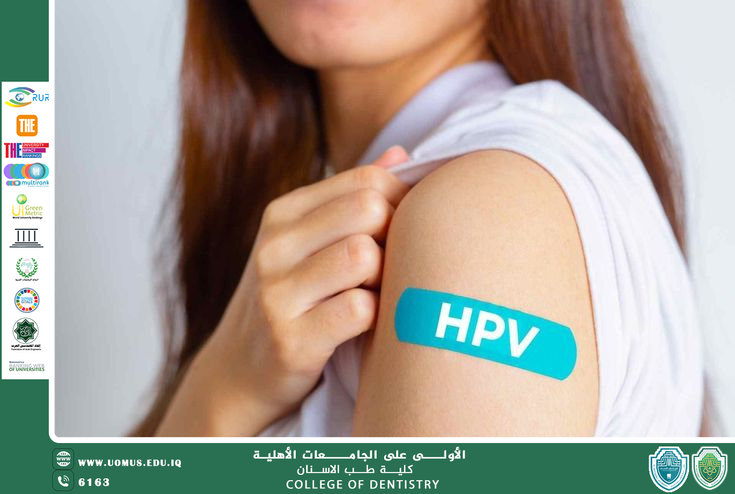
Yes, the Gardasil 9 vaccine is approved by the U.S. Food and Drug Administration (FDA). It consists of nine types of virus-like particles (VLPs) that stimulate immunity to protect against 90% of cancers and genital warts. The types include: 6, 11, 16, 18, 31, 33, 45, 52, and 58.
Primary prevention begins with the HPV vaccine for girls aged 9 to 12 years. It is usually administered to children and adolescents between 9-14 years in two doses, while older individuals receive three doses.
The vaccine provides long-term protection; studies have shown its efficacy for over 10 years with stable antibody levels.
Finally, we emphasize the importance of vaccination and early diagnosis as a final line of defense against this "hidden enemy that silently threatens your life by growing cancers within you."