Laser Scattering in Tissue: Mechanisms and Effects
08/01/2026 Share :
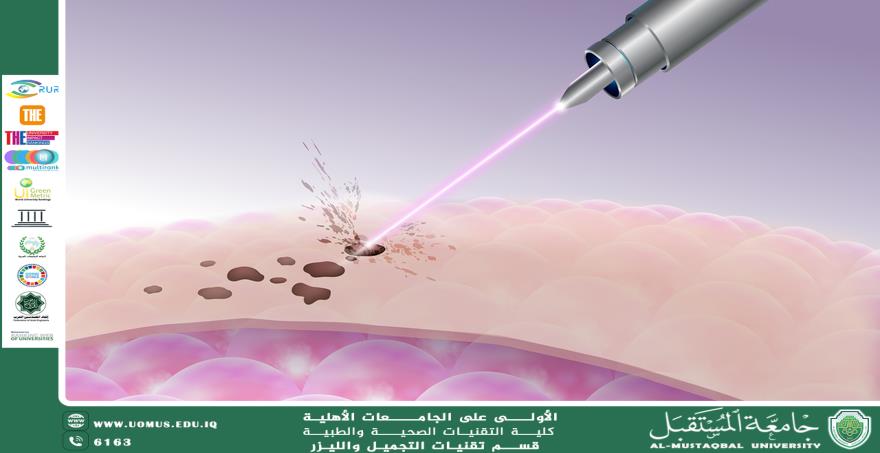
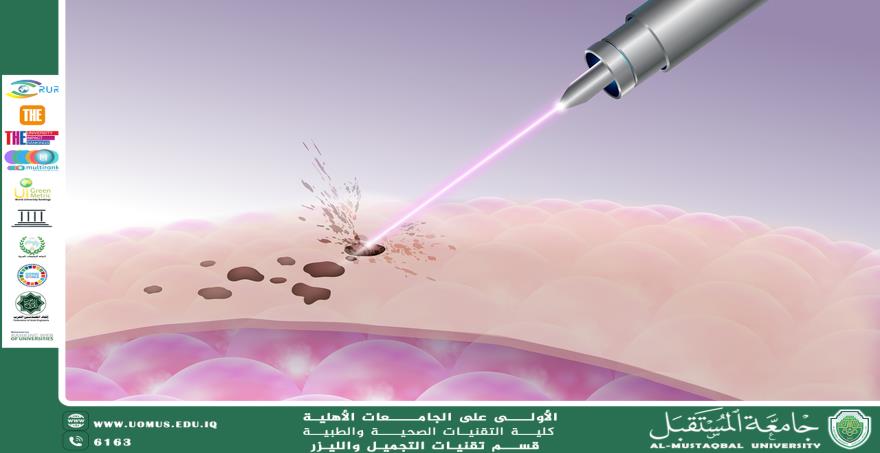
Laser technology is a vital tool in medical and therapeutic applications, ranging from precise surgery to phototherapy. To understand the effectiveness of lasers within the body, it is essential to study their interaction with tissues, particularly the phenomenon of scattering. Unlike absorption, which directly converts photon energy into heat, scattering does not result in immediate thermal energy loss; instead, it changes the direction of photons within the tissue. This property directly affects the energy distribution and penetration depth of the laser.
Mechanisms of Scattering in Tissue
Rayleigh Scattering
This type of scattering occurs when a photon interacts with particles much smaller than its wavelength, such as small molecules.
Scattering increases significantly with shorter wavelengths, which explains why blue light scatters more than red light.
This phenomenon also explains the blue color of the sky due to scattering of short-wavelength sunlight in the atmosphere.
Mie Scattering
Mie scattering occurs when a photon interacts with particles comparable to or larger than its wavelength, such as mitochondria, cell nuclei, or collagen fibers.
Mie scattering is less dependent on wavelength compared to Rayleigh scattering.
It is characterized by high directionality, meaning photons often continue in roughly the same direction, although energy still spreads within the tissue.
Effects of Scattering on Medical Applications
Reduced Penetration Depth
When photons scatter, their path length inside the tissue increases before being absorbed or exiting, which reduces the effective depth the laser can reach with sufficient energy.
Energy Distribution Within Tissue
Scattering spreads energy over a larger area. This can be beneficial in applications like phototherapy but reduces precision in surgical or targeted procedures.
Unwanted Side Effects
Scattered photons may reach unintended regions, increasing the volume of collateral thermal damage.
Skin Color Effects
Darker skin contains higher levels of melanin, which absorbs and scatters light more strongly, reducing laser penetration and affecting its effectiveness in certain medical procedures.
Conclusion
Laser scattering in tissue is a critical factor that determines energy distribution, penetration depth, and therapeutic precision. Understanding the differences between Rayleigh and Mie scattering, as well as their effects on photons, helps clinicians and researchers choose the optimal wavelength, laser intensity, and treatment techniques for each tissue type. Managing scattering is essential to minimize side effects and enhance laser efficacy in medical applications.
AL_mustaqbal University is the first university in Iraq