Dentistry Between Academic Study and Clinical Practice
10/01/2026 Share :
Ali Hussein
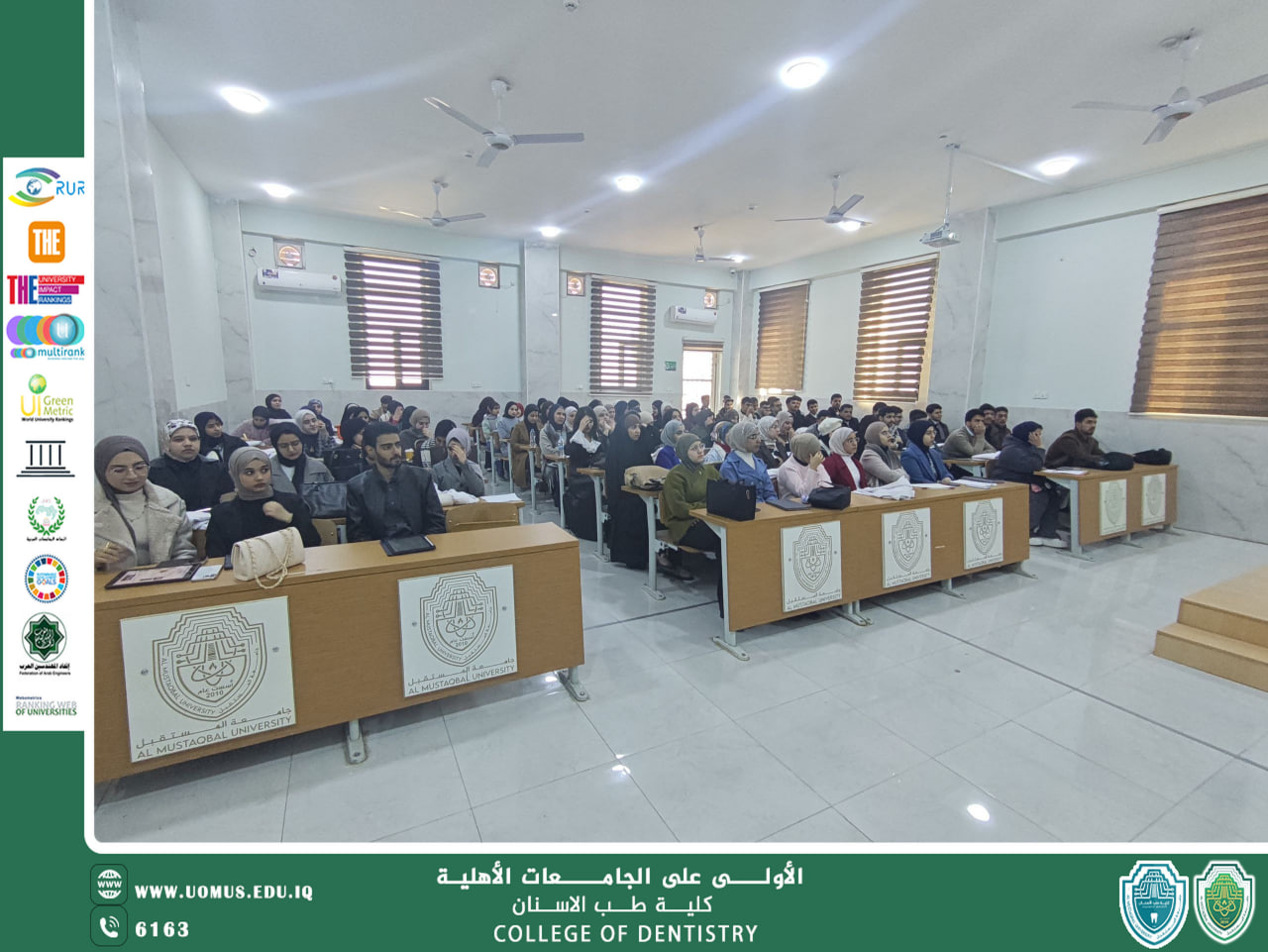
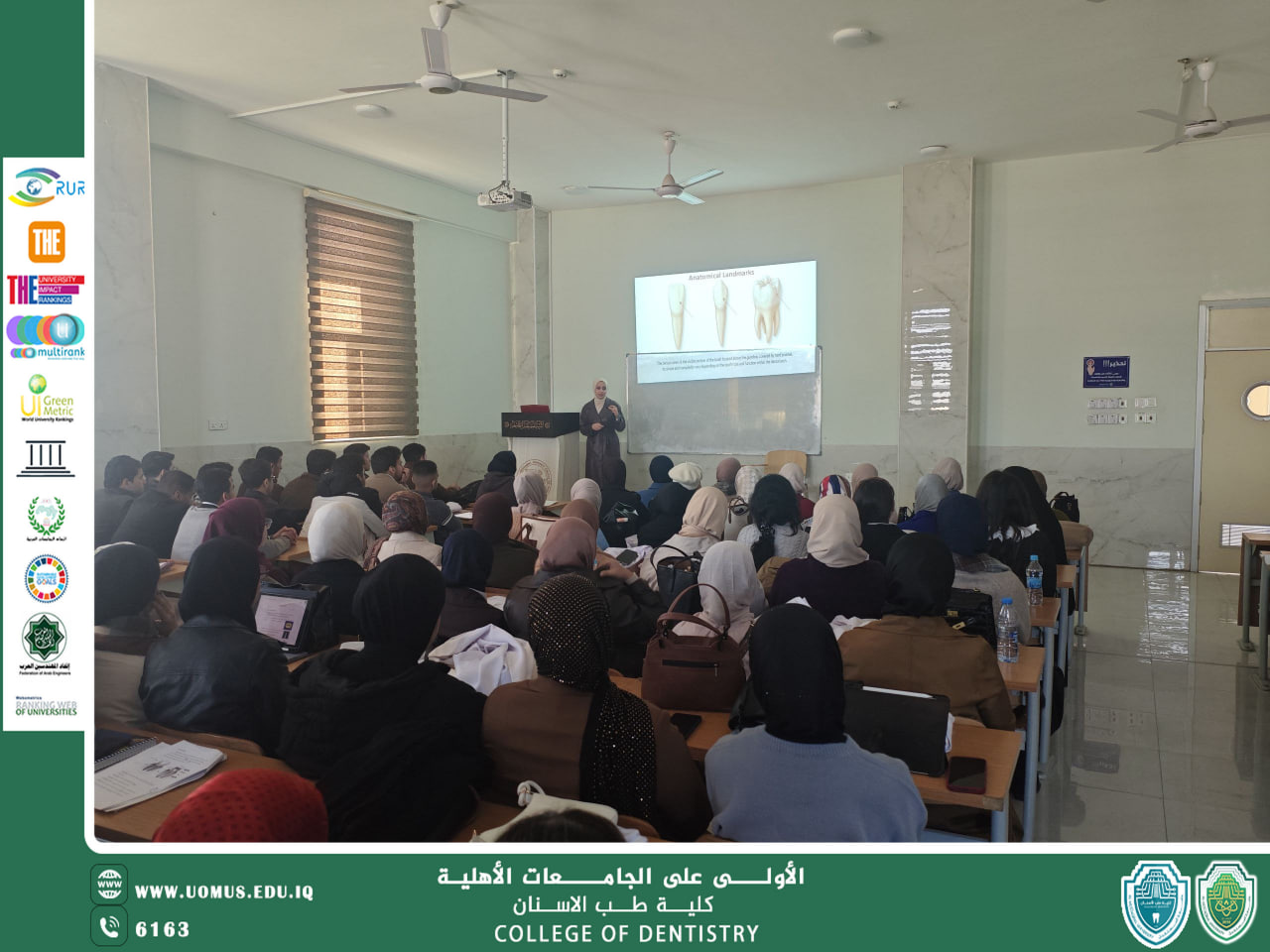
The journey of a dental student begins with textbooks and academic references, where the scientific foundations of the profession are established. However, this journey is only completed when the student moves from the lecture hall to the dental clinic. Within this transition from theoretical study to clinical practice, the identity of a dentist is shaped, and knowledge transforms from memorized information into applied skill and professional responsibility.
Academic study provides the scientific framework through which students understand dental anatomy, disease mechanisms, and principles of treatment. Yet, clinical reality presents challenges that differ from what is written in books. Students encounter real patients, diverse cases, and psychological and human factors that require more than scientific knowledge alone. Here, the distinction becomes clear between knowing information and knowing how to use it effectively.
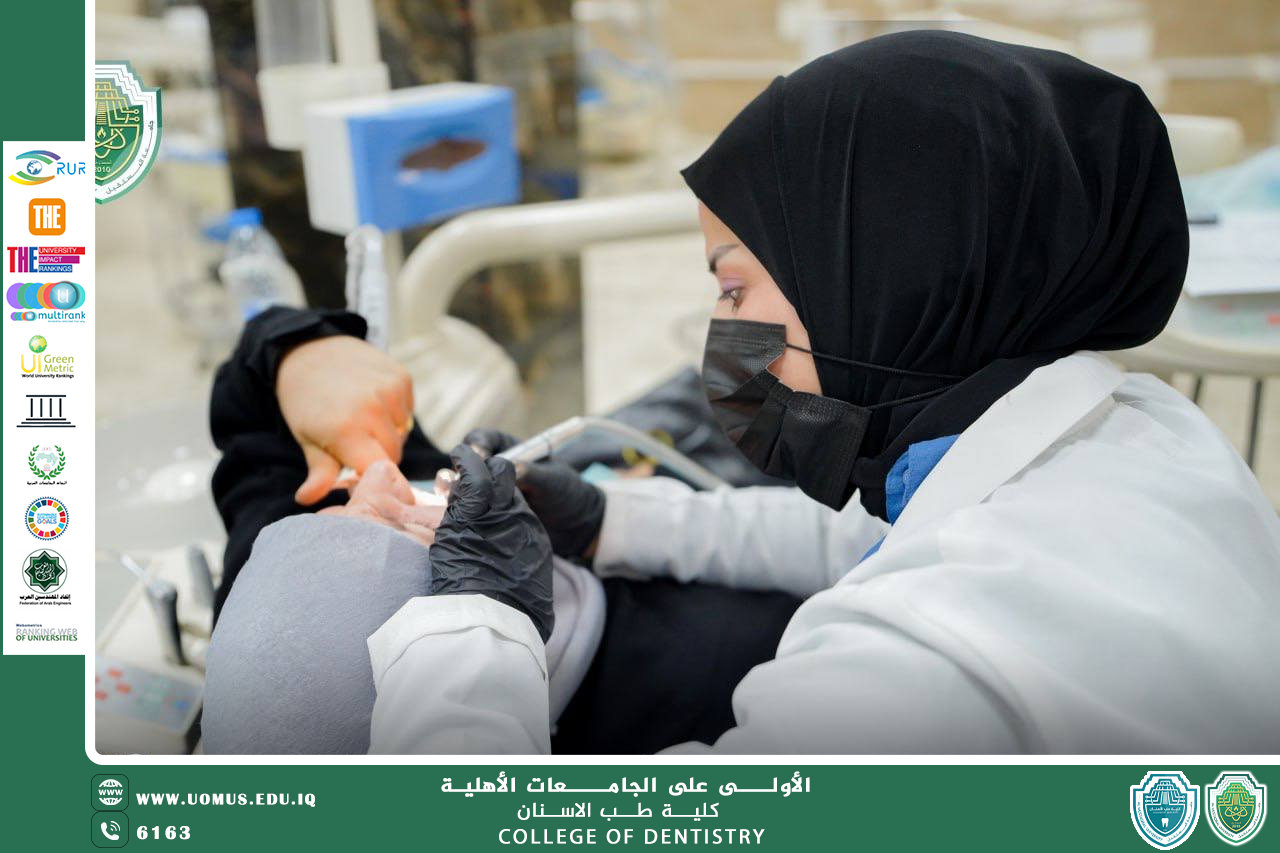
Clinical practice represents the most critical stage in preparing a dentist. It teaches students precision, patience, decision-making, and teamwork within a healthcare environment. It also highlights the importance of professional ethics, time management, and effective communication with patients. These skills cannot be acquired through theoretical learning alone but are developed through gradual practice and continuous guidance.
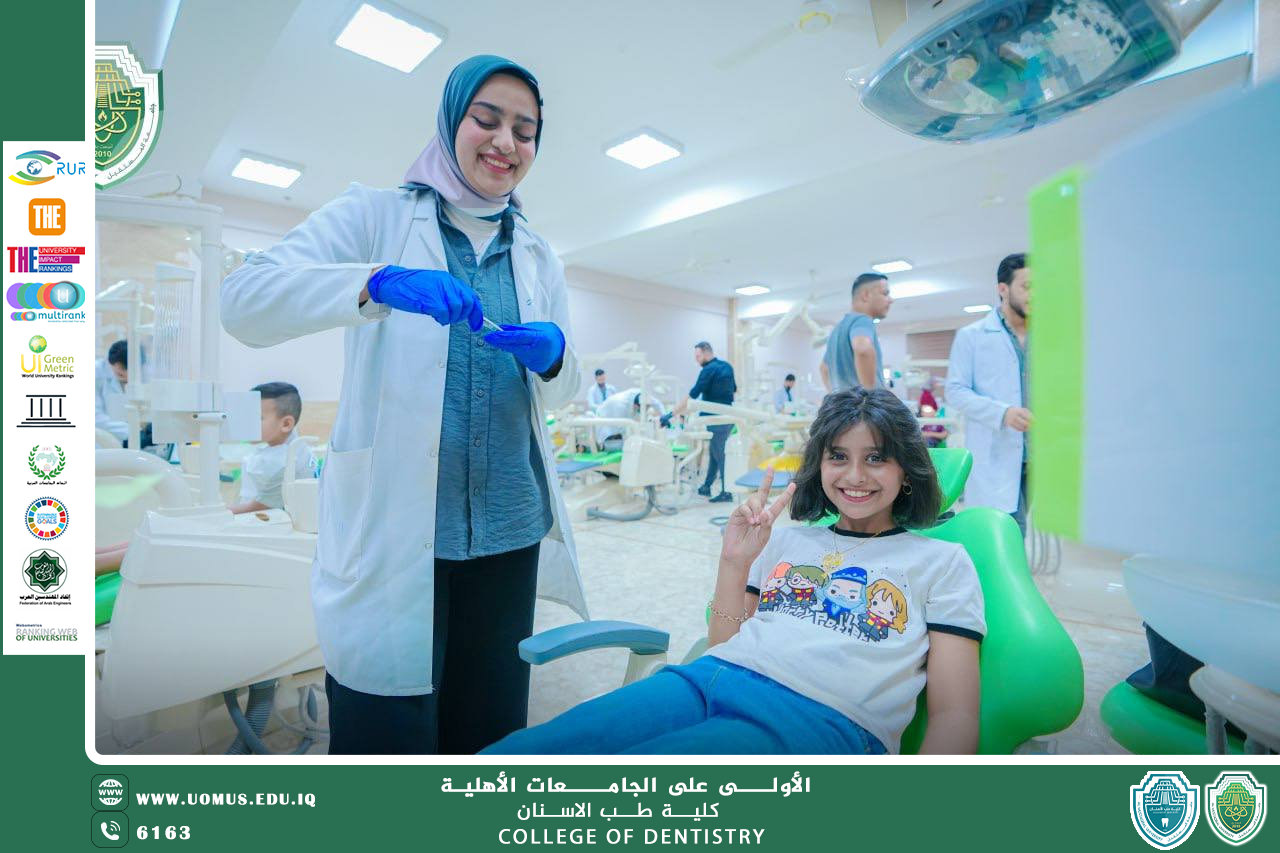
Educational clinics play a central role in bridging the gap between study and practice by providing a safe training environment under academic supervision. They offer students the opportunity to learn from mistakes, connect accurate diagnosis with appropriate treatment planning, and adhere to quality and safety standards.
Ultimately, achieving balance between academic study and clinical practice is the foundation of a successful dental career. Knowledge without practice remains incomplete, while practice without a solid scientific base can be risky. When science meets application, a competent dentist emerges—one capable of serving the community with efficiency and responsibility.