

Azo Compounds
13/01/2026 Share :
Dr. Nada Hasan Hussein
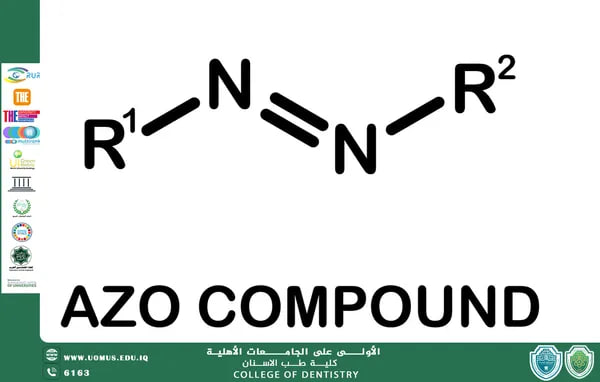
Azo compounds are an important class of organic compounds characterized by the presence of the azo functional group (–N=N–), which consists of a double bond between two nitrogen atoms. This azo linkage is usually connected to aromatic rings, giving these compounds unique chemical and physical properties, particularly intense and vivid colors.
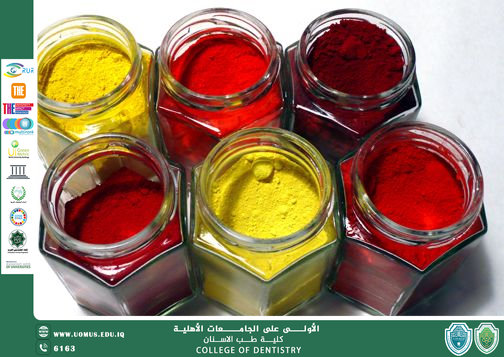
One of the most distinctive features of azo compounds is their strong coloration, which can range from yellow and orange to red and brown. This property arises from the extended conjugated system formed by the azo group and the aromatic rings, allowing absorption of visible light. Because of this, azo compounds are widely used as dyes and pigments in industries such as textiles, printing inks, plastics, and paints. In fact, azo dyes represent the largest and most widely used class of synthetic dyes worldwide.
Azo compounds are commonly synthesized through a process known as azo coupling. In this reaction, an aromatic diazonium salt reacts with an electron-rich aromatic compound such as phenols or aromatic amines. The reaction is relatively simple, occurs under mild conditions, and allows the production of a wide variety of azo compounds with different colors and properties.
Beyond their use as dyes, azo compounds have important applications in other fields. Some are used in pharmaceuticals as antibacterial agents, anti-inflammatory drugs, or prodrugs. Others are applied in analytical chemistry as indicators, and in materials science for developing photoresponsive materials and molecular switches due to their ability to undergo reversible cis–trans isomerization under light.
Despite their wide applications, certain azo compounds raise environmental and health concerns. Some azo dyes can break down into aromatic amines, which may be toxic or carcinogenic. As a result, strict regulations control their use, especially in food, cosmetics, and textiles, and ongoing research focuses on developing safer and more environmentally friendly alternatives.
In conclusion, azo compounds play a vital role in modern chemistry and industry. Their unique structure, ease of synthesis, and wide range of applications make them highly valuable, while continued research aims to balance their benefits with safety and environmental sustainability.