A Scientific Article by Lecturer Tamara Nuhad Abaas Entitled:Pneumonia**
21/01/2026 Share :
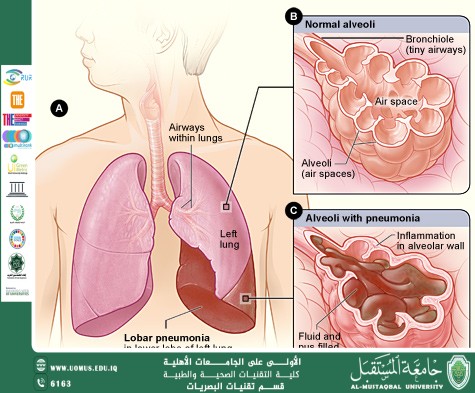
Pneumonia is one of the common diseases that affect the respiratory system. It occurs as a result of inflammation of the lung tissues, particularly the alveoli. This inflammation leads to the accumulation of fluids or pus inside the alveoli, which interferes with the process of gas exchange and reduces the efficiency of breathing. Pneumonia can affect all age groups; however, it is more dangerous in children, the elderly, and individuals with weakened immune systems.
**Causes of Pneumonia**
Pneumonia is caused by several pathogenic agents, the most important of which include:
* **Bacteria:** such as *Streptococcus pneumoniae*, which is one of the most common causes.
* **Viruses:** such as influenza viruses and respiratory syncytial virus (RSV).
* **Fungi:** especially in patients with weakened immune systems.
* **Aspiration pneumonia:** resulting from the entry of food or liquids into the lungs instead of the esophagus.
**Types of Pneumonia**
* Bacterial pneumonia
* Viral pneumonia
* Fungal pneumonia
* Community-acquired pneumonia
* Hospital-acquired pneumonia
**Symptoms**
Symptoms vary depending on the cause and severity of the infection. The most common symptoms include:
* Cough (may be productive with sputum)
* High fever
* Shortness of breath
* Chest pain that worsens with breathing or coughing
* General fatigue and exhaustion
* Rapid heartbeat
Atypical symptoms may appear in elderly patients, such as confusion or a decrease in body temperature.
**Diagnosis**
The diagnosis of pneumonia depends on:
* Clinical examination
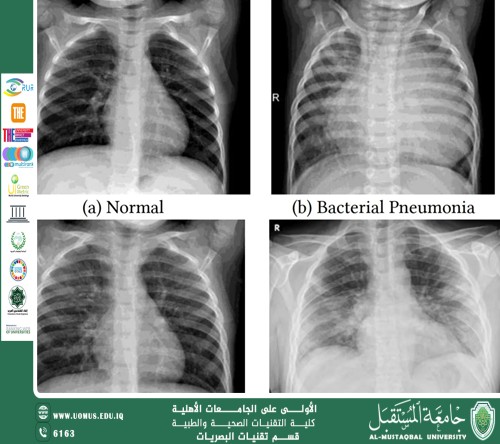
* Chest X-ray
* Blood tests
* Sputum analysis to identify the causative agent
**Treatment**
Treatment depends on the cause of infection:
* **Antibiotics** in cases of bacterial infection
* **Antiviral medications** in some viral cases
* Antipyretics and pain relievers
* Rest and adequate fluid intake
In severe cases, hospitalization may be required, along with oxygen therapy or mechanical ventilation.
- **Prevention**
Pneumonia can be prevented through:
* Receiving recommended vaccinations (pneumococcal vaccine, influenza vaccine)
* Regular hand washing
* Avoiding smoking
* Strengthening the immune system through proper nutrition
* Avoiding close contact with infected individuals whenever possible
**Conclusion**
Pneumonia is a serious disease if not diagnosed and treated promptly. However, medical advances have significantly contributed to reducing its complications and mortality rates. Health awareness and adherence to preventive measures play an essential role in limiting the spread of this disease and maintaining respiratory health.
University of Al-Mustaqbal – The First and Leading Private University