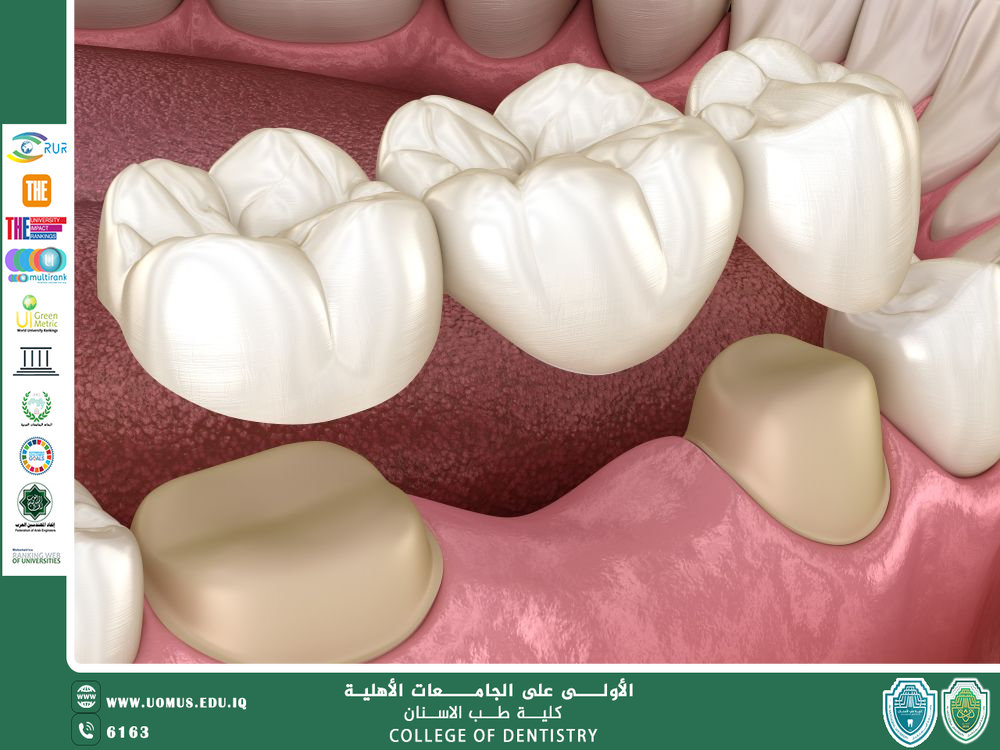
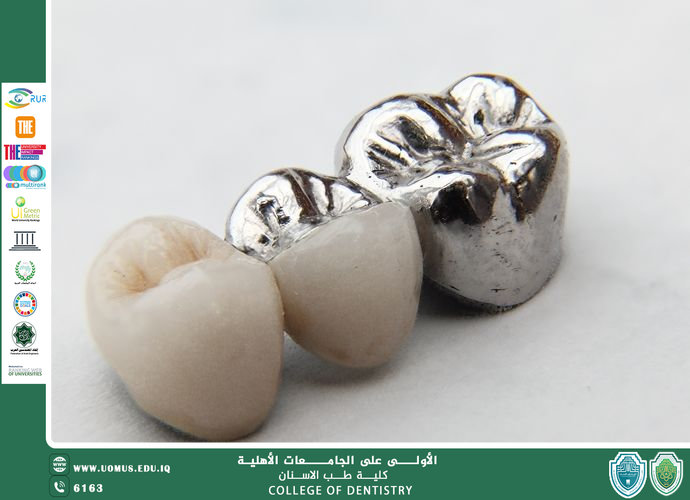
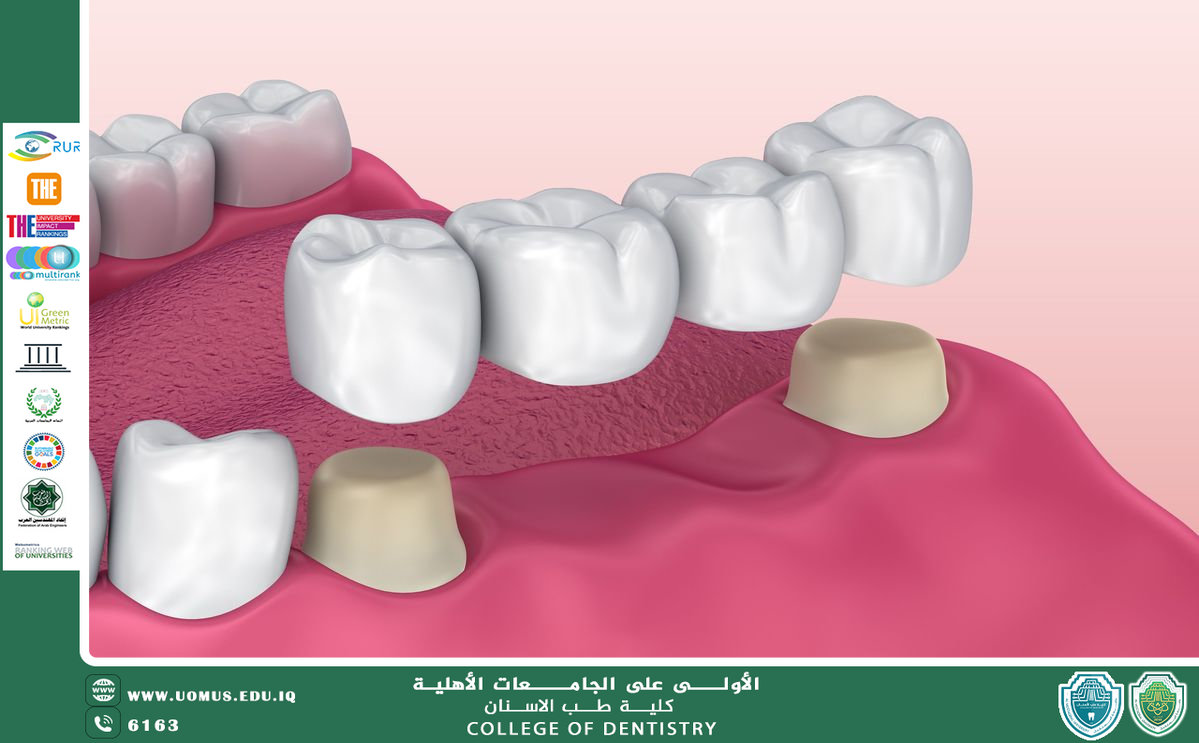
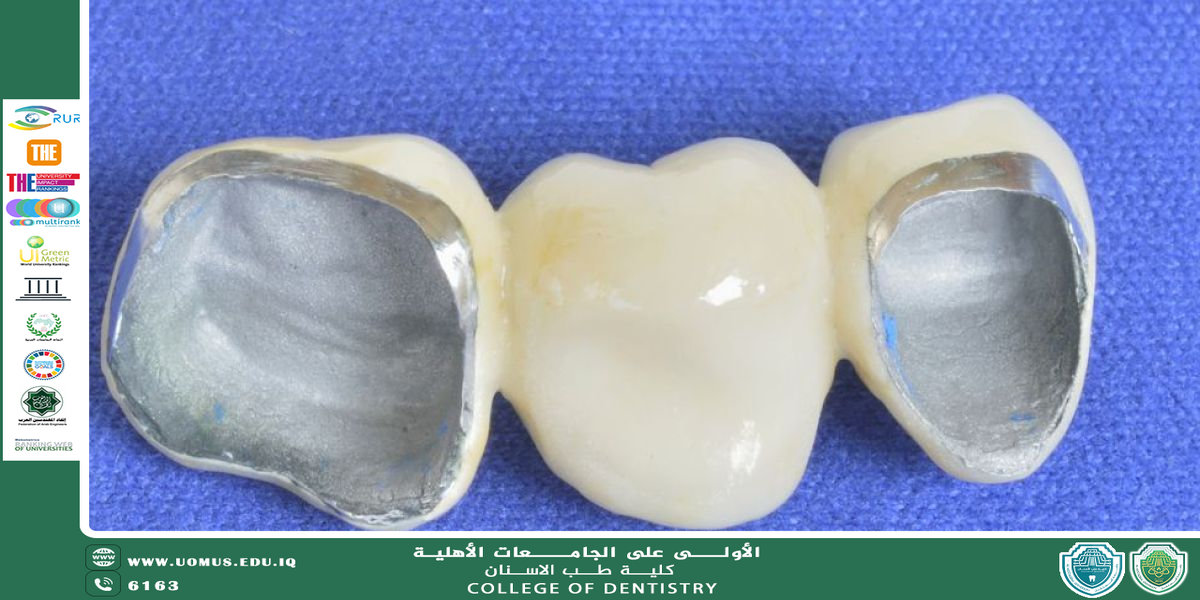
Telescope crowns
21/01/2026 Share :
Author: Hanin Amer Na'meh
What is telescope crown?
Telescope crowns are used to retain partial dentures. They provide the best possible force distribution to the abutment teeth. These partial dentures have excellent retentive qualities due to the frictional fit of the crown and sleeve coping and the supplemental retention gained by the plunger spring and the bar clip.
What is telescopic coping?
A telescopic coping is a feature of telescopic dentures, which are classified as an overdenture. An overdenture is any dental prosthesis that is anchored by natural teeth or a dental implant. Telescopic dentures offer more stability than traditional dentures due to their unique design.
What are the contraindications for telescopic crowns?
Contraindications for Telescopic Crowns
Teeth with small labio-lingual dimensions. Cases with restrictive vertical space. Severe periodontal diseases. Patients with significant mental or physical disabilities that may impair proper care and maintenance.
What is coping material?
Coping may be made of stone (capstone), brick, clay or terracotta, concrete or cast stone, tile, slate, wood, thatch, or various metals, including aluminum, copper, stainless steel, steel, and zinc. In all cases it should be weathered (have a slanted or curved top surface) to throw off the water.
What is the difference between coping and capping?
Capping and Coping Bricks | wienerberger UK
Cappings sit flush with the vertical face of the wall, while copings project at least 45mm from both sides of the wall and incorporate a drip on the underside to help shed water away from the vertical face of the brickwork below.