Bioremediation
24/01/2026 Share :
Introduction
Bioremediation is considered one of the modern and sustainable environmental technologies that rely on living organisms—such as microorganisms, plants, or their enzymes—to remove pollutants or reduce their toxicity in the environment. This technique has gained increasing attention in recent decades due to the rising problems of industrial, oil, and agricultural pollution, as well as the need for eco‑friendly and cost‑effective alternatives to traditional physical and chemical remediation methods.
Concept of Bioremediation
Bioremediation is the process of using living organisms, including bacteria, fungi, algae, or plants, to degrade, transform, or detoxify environmental pollutants. This process depends on the natural metabolic capabilities of these organisms to break down organic contaminants and reduce the impact of heavy metals in soil, water, and air.
Types of Bioremediation
Bioremediation can be classified into several main types, including:
1. In situ Bioremediation
This type of remediation is carried out directly at the contaminated site without removing soil or water, which reduces costs and environmental risks. It includes techniques such as biostimulation and bioaugmentation.
2. Ex situ Bioremediation
This approach involves removing contaminated soil or water and treating it at a separate location, such as in bioreactors or engineered treatment systems.
3. Phytoremediation
Phytoremediation uses plants to absorb, stabilize, or degrade contaminants. It is particularly effective for treating soils contaminated with heavy metals and certain organic pollutants.
Mechanisms of Bioremediation
Bioremediation operates through several mechanisms, including:
Biodegradation: the breakdown of organic pollutants by microorganisms.
Biosorption: the binding of pollutants to the surface of living cells.
Biotransformation: the conversion of toxic substances into less harmful forms.
Applications of Bioremediation
Bioremediation is widely applied in various fields, such as:
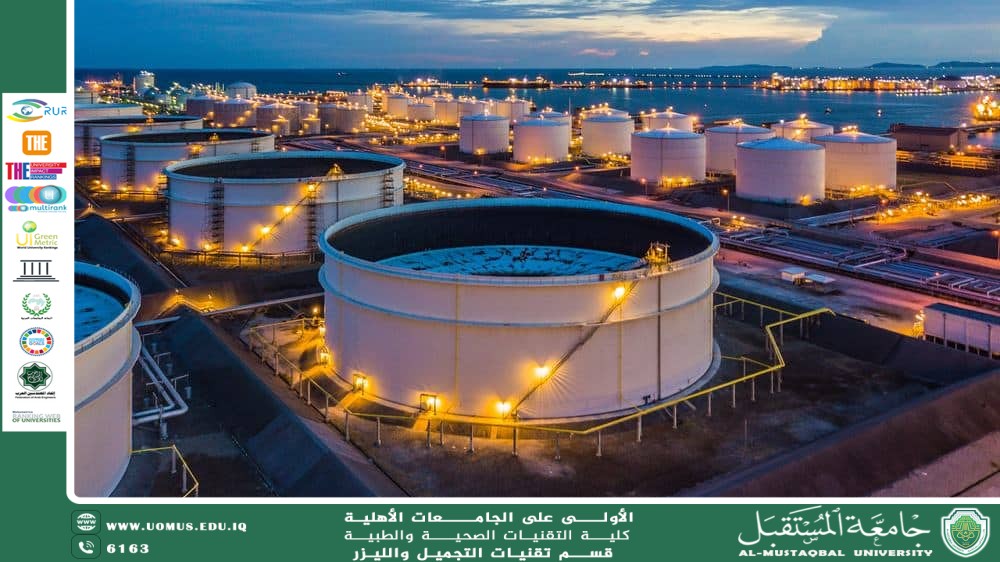
Treatment of oil‑contaminated soils and water bodies.
Removal of pesticides and toxic organic compounds.
Wastewater treatment.
Reduction of heavy metal concentrations in agricultural soils.
Advantages of Bioremediation
Environmentally friendly and does not produce hazardous secondary pollutants.
Cost‑effective compared to conventional remediation techniques.
Applicable to large and diverse contaminated areas.
Challenges and Limitations
Despite its advantages, bioremediation faces several challenges, including:
Slower remediation rates compared to chemical methods.
Efficiency influenced by environmental factors such as temperature and pH.
Limited effectiveness for certain types of pollutants.
Conclusion
Bioremediation represents a promising and sustainable solution for environmental pollution control. It plays a significant role in protecting ecosystems and human health. With advances in biotechnology and genetic engineering, bioremediation techniques are expected to become more efficient and widely applied in the future.
Al _ Mustaqbal University, the first university in Iraq