
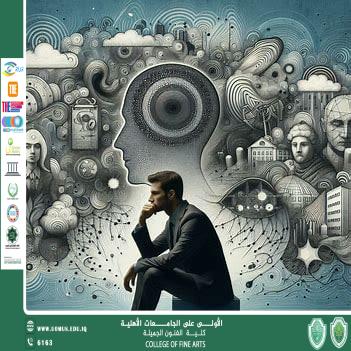
Paranoia: Understanding Psychological Suspicion and Its Impact on Individuals and Society
31/01/2026 Share :
Paranoia is a psychological disorder characterized by excessive and unjustified suspicion toward others, accompanied by a persistent feeling of being watched, targeted, or conspired against. It can appear in varying degrees, ranging from mild distrust to severe persecutory delusions that significantly affect an individual’s social and professional life.
Concept of Paranoia
Paranoia is a pattern of thinking marked by distrust, misinterpretation of others’ intentions, and a tendency to believe in hidden threats or conspiracies. It may appear as a personality trait or as a psychological symptom within broader disorders such as schizophrenia or paranoid personality disorder.
Causes of Paranoia
The causes of paranoia are multifaceted and interconnected. They include psychological factors such as trauma, emotional neglect during childhood, painful experiences, and low self-esteem; biological factors such as brain chemistry imbalances, genetic predisposition, and the effects of certain medications or substances; and social factors such as social isolation, life stressors, bullying, or social rejection.
Symptoms of Paranoia
Common symptoms include persistent suspicion of others’ intentions without clear evidence, hypersensitivity to criticism, hostile interpretation of situations, beliefs of persecution or conspiracy, difficulty forming stable social relationships, and a tendency toward isolation and withdrawal.
Types of Paranoia
Notable types of paranoia include persecutory paranoia, grandiose paranoia, jealous paranoia (pathological jealousy), and paranoid personality disorder.
Impact of Paranoia on the Individual and Society
Paranoia negatively affects an individual’s quality of life by straining family and social relationships, reducing work performance, and increasing feelings of isolation and anxiety. It may also contribute to broader mental health problems, including depression and anxiety disorders.
Diagnosis and Treatment
Diagnosis relies on clinical psychological assessment conducted by mental health professionals. Treatment includes psychotherapy, particularly cognitive behavioral therapy, pharmacological treatment in severe cases, and strong family and social support.
Conclusion
Paranoia is a complex psychological disorder that requires deep understanding and early professional intervention. Community awareness, psychological support, and integrated treatment approaches play a crucial role in improving the lives of those affected and helping them establish healthy and balanced relationships with others.
Almustaqbal University, The First University in Iraq.
الهدف الرابع (التعليم الجيد)