Management of Dental Emergencies
03/02/2026 Share :
Dental emergencies differ from other oral health problems primarily in the element of time. Sudden pain, bleeding, or dental trauma does not allow patients the luxury of waiting; instead, it demands prompt yet carefully considered intervention. In such situations, the dentist’s role extends beyond treatment to include organization, reassurance, and sound judgment, turning the moment into a true test of skill and composure.
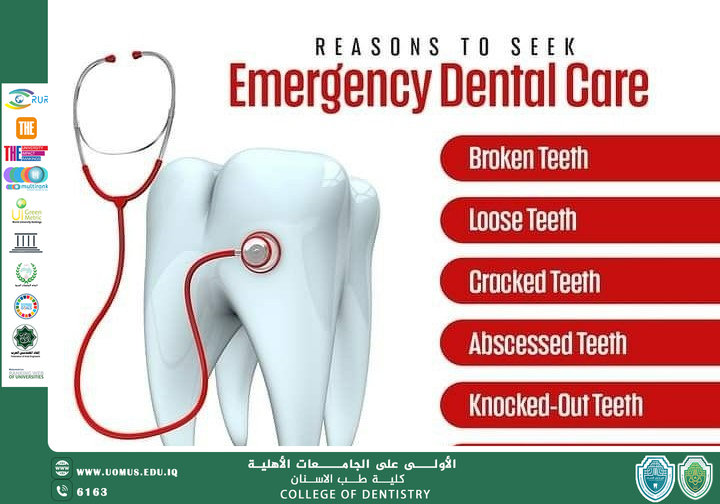
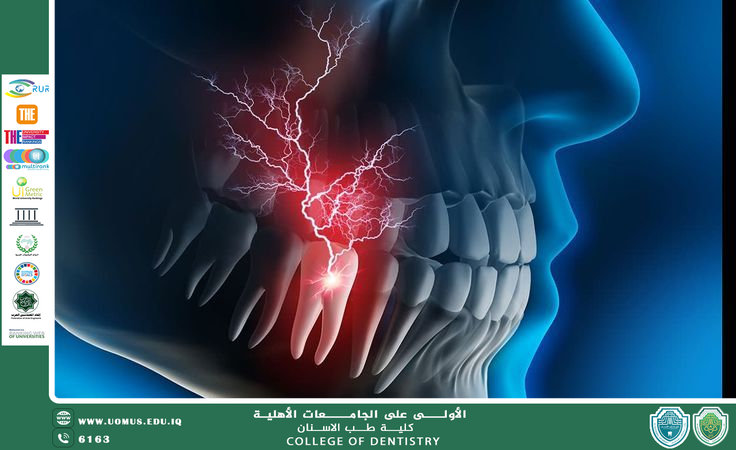
Dental emergencies cover a broad range of conditions, including acute pain caused by pulpal inflammation, dental abscesses, traumatic injuries to teeth and surrounding tissues, as well as post-extraction or postoperative bleeding. The first challenge lies in rapid and accurate diagnosis, as the source of pain may not always be obvious and symptoms can overlap between conditions requiring entirely different management approaches.
Successful emergency management is based on two key principles: immediate pain relief and prevention of further complications. This may involve draining an abscess, stabilizing a partially displaced tooth, controlling bleeding, or prescribing supportive medications. However, emergency care should not replace comprehensive treatment planning; rather, it represents the first step in a broader treatment process that continues once the patient’s condition stabilizes.
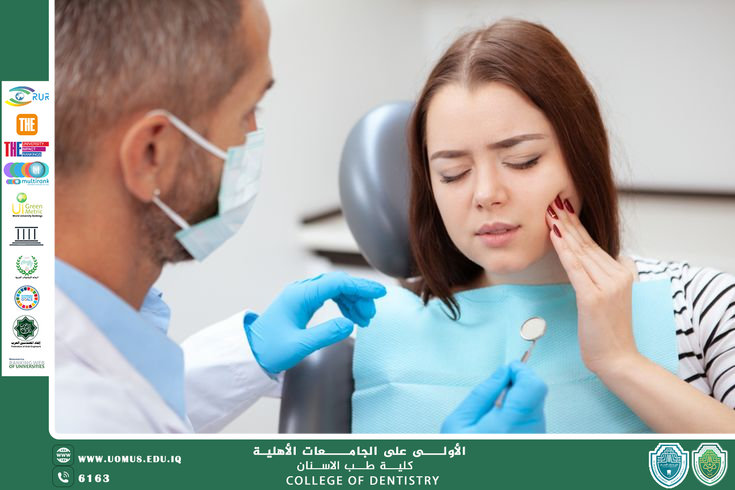
Beyond clinical skills, communication plays a crucial role in emergency situations. Patients often arrive in a state of anxiety or fear, making reassurance and clear explanation of procedures essential. This human aspect reduces stress and contributes to the success of treatment.
Professionally, preparedness for emergencies requires proper organization within the clinic, including the availability of instruments, medications, and established emergency protocols. Training dental students to handle such scenarios enhances their ability to make decisions under pressure.
Ultimately, dental emergencies represent critical moments when knowledge transforms into rapid action, and clinical skill becomes immediate relief for the patient—reflecting the true essence of professional dental practice.