The Role of Artistic Philosophies in Modern Architecture By: Raghda Safaa
20/01/2026 Share :
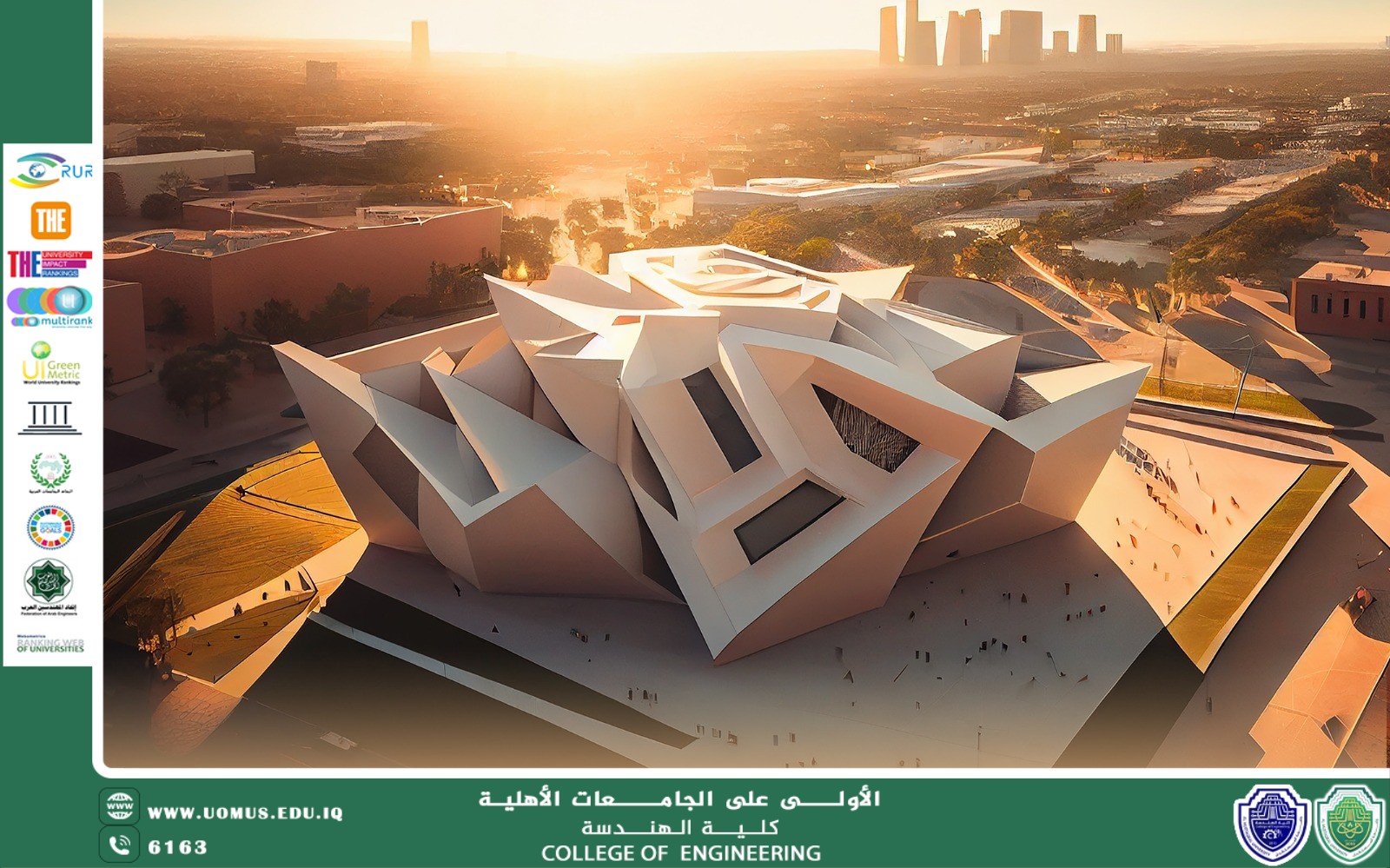
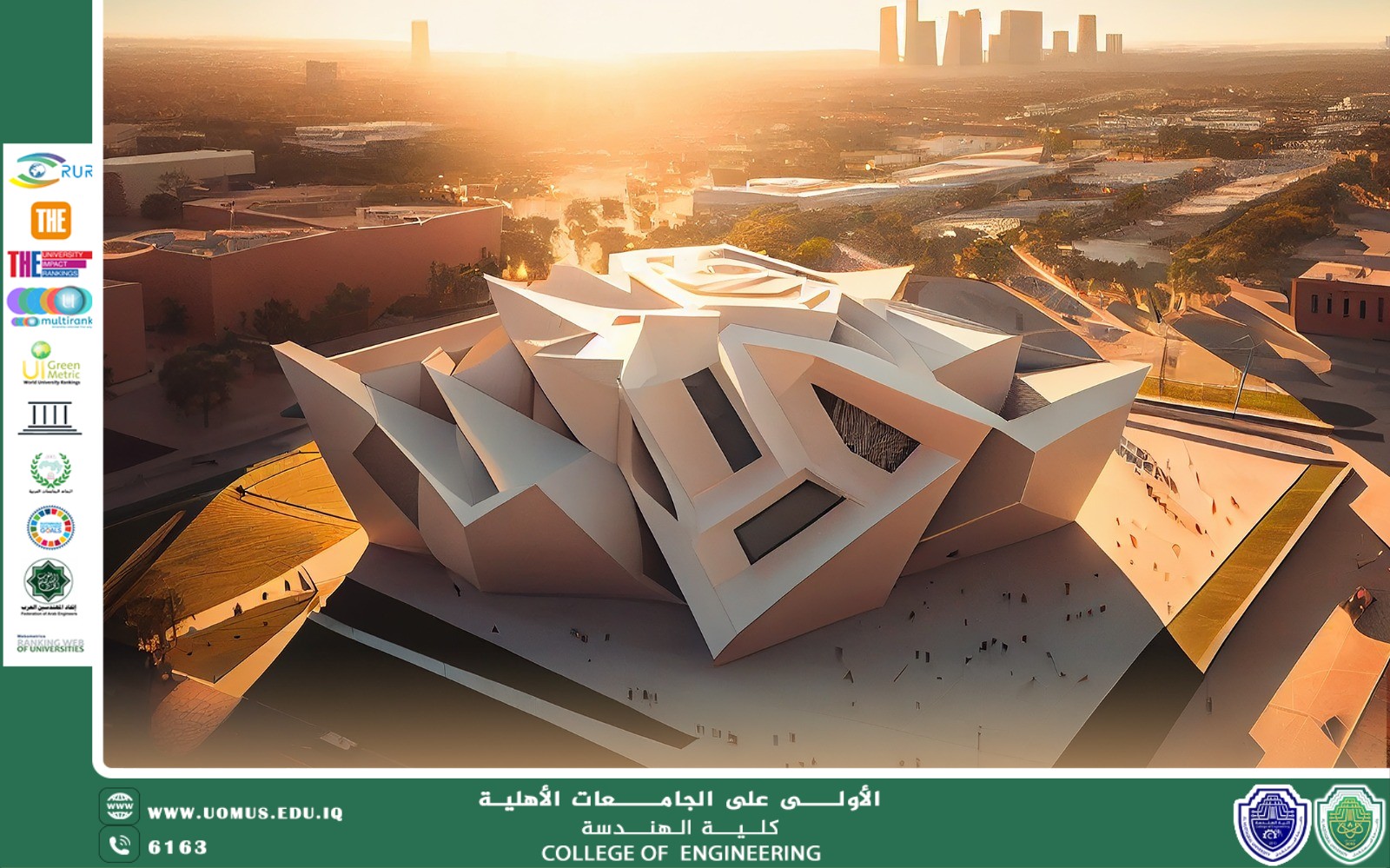
Artistic philosophies have played a pivotal role in guiding the development of modern architecture. Architecture is no longer limited to mere functionality; it has become a means of artistic and philosophical expression simultaneously. These philosophies are manifested in aesthetic concepts, cultural values, and the creative approaches designers use to invent new spaces that reflect an advanced artistic vision.
Artistic Philosophies and Their Impact on Architectural Design
Different artistic philosophies, from classical to modernist and experimental, reflect the artist’s vision of reality, space, and beauty. For instance, classical philosophy emphasized harmony and proportion, influencing modern architecture in balanced lines and ratios. In contrast, modernist philosophies, such as expressionism and abstraction, contributed to innovative and nontraditional forms, making buildings a reflection of the spirit of the era and free thought.
Modern Architectural Trends
Modern architecture is characterized by liberation from traditional rules and the embrace of artistic creativity in shaping spaces. Architects have drawn inspiration from paintings, sculpture, and digital design to develop new architectural approaches, such as organic architecture, sustainable architecture, and interactive engineering. These trends illustrate the interaction between architecture and various art forms, turning each building into a standalone artistic project that reflects a specific aesthetic philosophy.
Architecture as a Mirror of Artistic Thought
Modern architecture represents the material embodiment of artistic and philosophical thought. It not only delivers aesthetic form but also conveys philosophical concepts such as freedom, movement, sustainability, and interaction with the environment. This integration of philosophy, art, and architecture creates spaces that provide users with a comprehensive sensory and intellectual experience, making the building a medium for contemplation and artistic interaction.
Conclusion
It can be said that artistic philosophies have been the primary driving force behind innovation in modern architecture, helping liberate designers from traditional constraints and opening horizons for creativity and experimentation. Today, architecture is not merely construction; it is a fusion of art, philosophy, and function, reflecting a sophisticated cultural and civilizational vision, and transforming the urban environment into an integrated aesthetic and intellectual experience.
Reference
Francis D.K. Ching, Architecture: Form, Space, and Order, Wiley Publishing.
Kenneth Frampton, Modern Architecture: A Critical History, Thames & Hudson.
Le Corbusier, Towards a New Architecture, Architectural Press.
Richard Serra, Art and Architecture: Interaction Between Creativity and Design, Dar Al-Kutub Al-Ilmiyya.
Christian Norberg-Schulz, Genius Loci: Towards a Phenomenology of Architecture, Academy Editions.
Marcus Bergmann, Architecture and Philosophy: Artistic Thought in Contemporary Architectural Design, Academic Publishing House.
University of Al-Mustaqbal – the first university in Iraq