
Skin Types and Laser Parameters: Why Individualized Treatment Matter: Prepared by Dr. Hussein Safaa Abdulameer
07/02/2026 Share :
Introduction
One of the most common misconceptions in aesthetic laser practice is the belief that standardized treatment parameters can be applied safely to all patients. In reality, laser treatments must be individualized to achieve optimal clinical outcomes and minimize adverse effects. Differences in skin type, pigmentation, hair characteristics, and tissue response significantly influence laser–tissue interaction.
This article explores the relationship between skin types and laser parameters and explains why individualized treatment planning is essential in aesthetic laser medicine.
Skin Type Classification and Clinical Significance
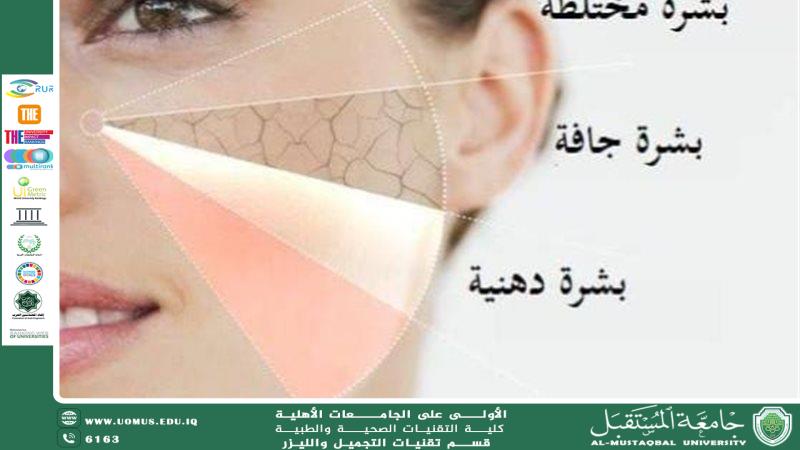
Skin type classification systems, particularly the Fitzpatrick skin type scale, are widely used to predict skin response to ultraviolet and laser exposure. This classification is based on melanin content and tanning behavior and provides valuable guidance for laser parameter selection.
Patients with lighter skin types generally tolerate higher fluence levels, while darker skin types have increased epidermal melanin, which competes with the target chromophore for laser energy absorption. This competition increases the risk of epidermal overheating and pigmentary complications.
Ignoring skin type differences and using aggressive settings may result in burns, blistering, or post-inflammatory hyperpigmentation, especially in darker skin populations.
Key Laser Parameters and Their Clinical Role
Wavelength:
Wavelength determines penetration depth and chromophore selectivity. Longer wavelengths penetrate deeper and are safer for darker skin types, while shorter wavelengths are more effective for superficial targets but carry a higher epidermal risk.
Fluence (Energy Density):
Fluence must be sufficient to damage the target tissue without harming surrounding structures. Excessive fluence increases complication risk, while insufficient fluence leads to poor clinical response.
Pulse Duration:
Pulse duration should match the thermal relaxation time of the target. Incorrect pulse duration may cause heat diffusion to adjacent tissues, leading to unintended damage.
Spot Size:
Larger spot sizes allow deeper penetration and more uniform energy delivery, improving treatment efficiency.
Hair and Tissue Characteristics
In laser hair removal, hair color and thickness significantly affect treatment response. Dark, coarse hair responds more effectively due to higher melanin concentration. Light or fine hair absorbs less energy, making treatment more challenging.
Similarly, scar tissue, vascular lesions, and pigmented lesions each require specific parameter adjustments to achieve safe and effective outcomes.
Importance of Individualized Treatment Planning
Individualized treatment planning involves adjusting parameters based on:
• Skin type
• Target depth
• Pigmentation level
• Patient tolerance
• Treatment area
Test spots are particularly useful in borderline or high-risk cases and provide valuable information before full treatment.
Conclusion
Individualized laser parameter selection is a cornerstone of safe aesthetic practice. Understanding skin types and laser physics allows clinicians to optimize results while minimizing complications. Personalized treatment reflects professional competence and evidence-based laser medicine.