Major Air Pollutants and Their Effects on Human Health and the Environment
08/02/2026 Share :
Introduction
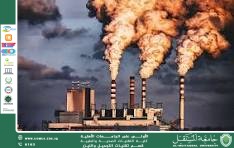
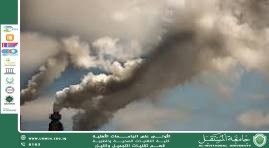
Air pollution is one of the most serious environmental problems facing the world today due to its significant negative impacts on human health and ecosystems. It results from the release of harmful substances into the atmosphere through industrial activities, transportation, fossil fuel combustion, and some natural sources. Air pollutants vary in their chemical and physical properties as well as their health and environmental effects.
Major Air Pollutants
Particulate Matter (PM)
Particulate matter includes fine particles such as PM10 and PM2.5. These tiny particles can penetrate the respiratory system and reach the lungs, causing serious respiratory and cardiovascular diseases.
Carbon Monoxide (CO)
A colorless and odorless gas produced by incomplete combustion of fuels. Inhalation of CO reduces the blood’s ability to carry oxygen, leading to poisoning and potentially death in severe cases.
Sulfur Dioxide (SO₂)
Mainly produced from burning coal and oil in power plants and industrial facilities. It irritates the respiratory system and contributes to the formation of acid rain, which damages soil, water bodies, and vegetation.
Nitrogen Oxides (NOx)
Emitted from fuel combustion in vehicles and industrial processes. They contribute to the formation of smog and ground-level ozone and cause respiratory inflammation.
Ground-Level Ozone (O₃)
A secondary pollutant formed through chemical reactions between nitrogen oxides and volatile organic compounds in the presence of sunlight. It negatively affects lung function and plant growth.
Volatile Organic Compounds (VOCs)
A group of chemicals emitted from fuels, solvents, and paints. Some VOCs are carcinogenic and play a role in the formation of ground-level ozone.
Health and Environmental Impacts
Air pollutants are associated with numerous health problems, including asthma, bronchitis, heart diseases, and lung cancer. Environmentally, they contribute to vegetation damage, water pollution, and climate change.
Conclusion
Reducing air pollution is a global priority that requires coordinated governmental and societal efforts. This can be achieved through the use of clean energy sources, reduction of industrial emissions, and increased environmental awareness to protect human health and preserve the
environment.
Al _ Mustaqbal University, the first university in Iraq