From Surgery to Injection: An Injectable and Bioresorbable Cardiac Pacemaker By Engineer Ikram Falah Hadi
10/01/2026 Share :
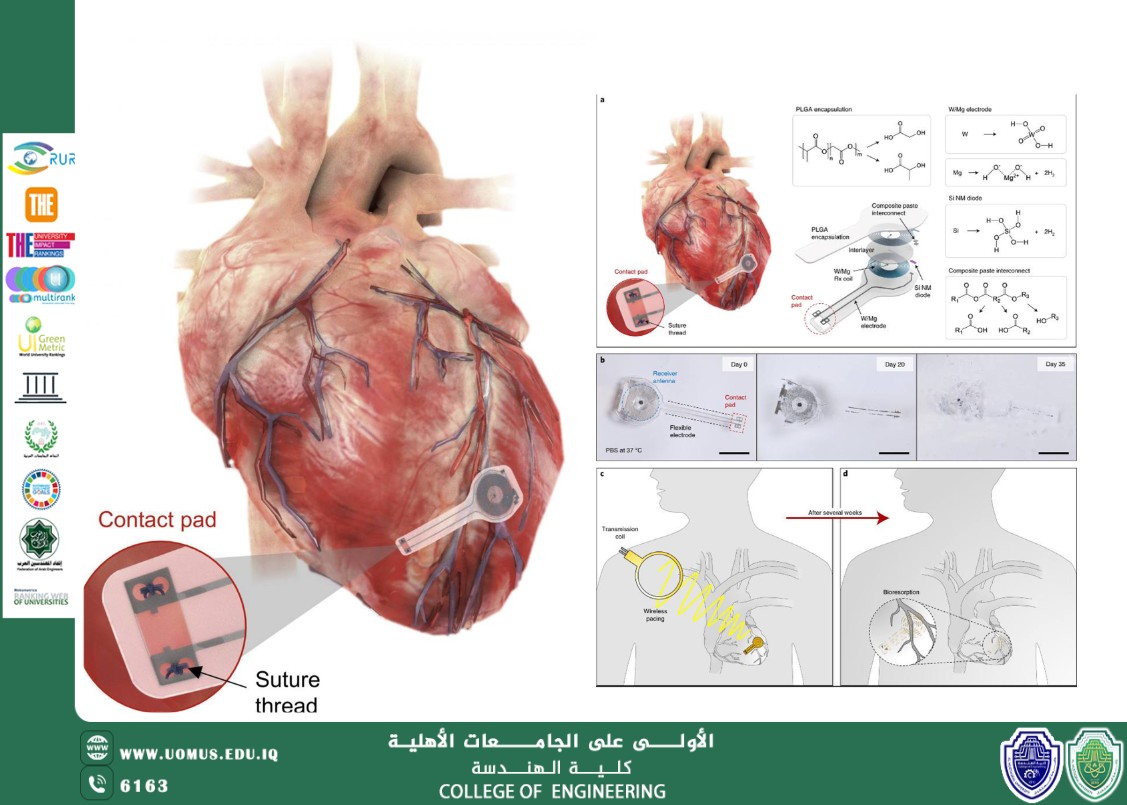
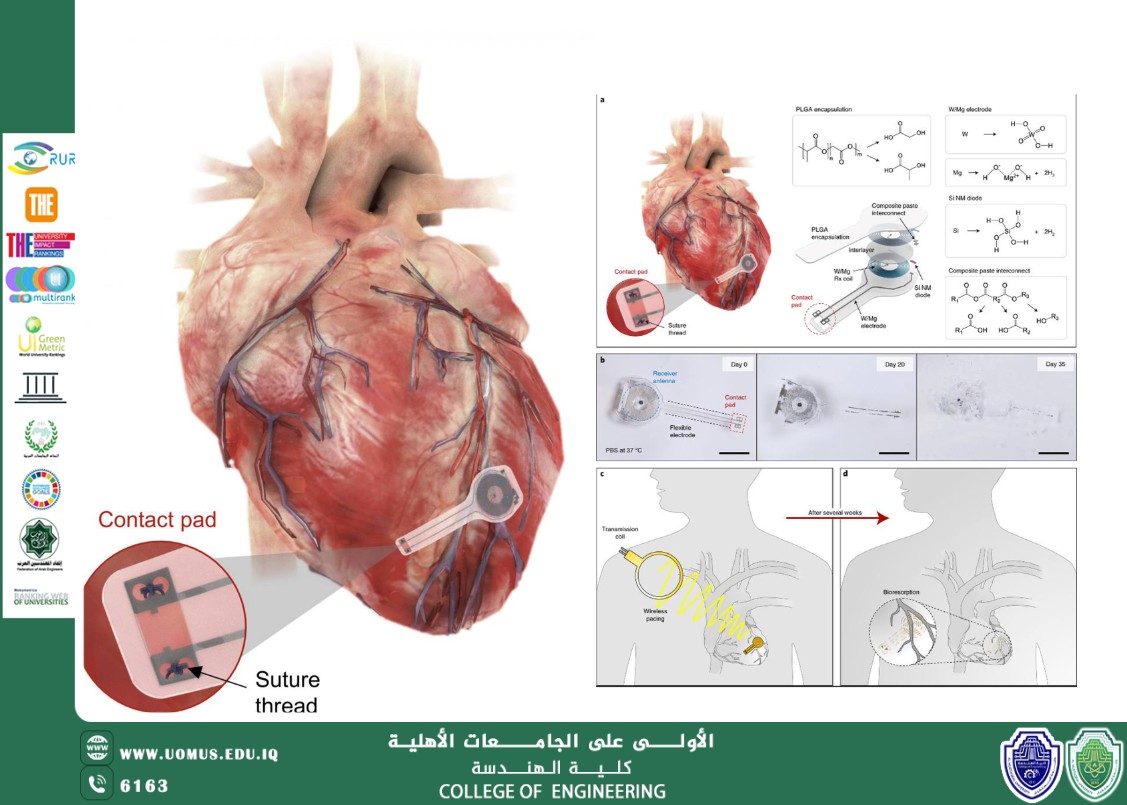
Modern medical technology continues to transform the way life-threatening conditions are treated, offering safer and less invasive solutions for patients. One of the most remarkable recent innovations is the development of an injectable and bioresorbable cardiac pacemaker, which represents a significant advancement in cardiovascular healthcare. This groundbreaking technology has the potential to replace traditional surgical pacemaker implantation, reducing risks, improving recovery time, and enhancing patient comfort.
A cardiac pacemaker is a medical device used to regulate abnormal heart rhythms. Conventional pacemakers require surgical implantation, which involves placing electrodes inside the heart and connecting them to a battery-powered device inserted under the skin. While effective, this procedure carries several challenges, including surgical complications, infection risks, device replacement surgeries, and long-term patient discomfort.
The newly developed injectable pacemaker offers a revolutionary alternative. Unlike traditional devices, this pacemaker can be delivered into the body using a minimally invasive injection technique rather than open surgery. This method significantly reduces physical trauma to the patient, lowers the risk of complications, and shortens hospitalization and recovery periods. The injectable design is especially beneficial for patients who require temporary pacing support, such as those recovering from cardiac surgery or experiencing short-term heart rhythm disturbances.
Another remarkable feature of this innovation is its bioresorbable nature. The device is designed using advanced biodegradable materials that safely dissolve in the body after completing their function. This eliminates the need for surgical removal, which is often required with traditional pacemakers once they are no longer needed or when their batteries expire. The bioresorbable materials are carefully engineered to break down into harmless substances that are naturally absorbed by the body, ensuring patient safety and reducing long-term medical complications.
From an engineering perspective, designing such a device requires combining expertise in biomedical engineering, materials science, and electronic miniaturization. The pacemaker must be small enough to be injectable, yet powerful enough to deliver precise electrical stimulation to maintain normal heart rhythm. Additionally, it must maintain structural integrity and performance during its operational lifespan before safely degrading afterward.
The development of injectable bioresorbable pacemakers highlights the growing importance of smart and patient-centered medical technologies. This innovation not only demonstrates how engineering solutions can improve healthcare outcomes but also reflects the global shift toward less invasive treatment approaches. As research and development continue, such technologies may pave the way for further advancements in implantable medical devices, offering safer, more efficient, and more comfortable treatment options for patients worldwide.
In conclusion, the transition from traditional surgical pacemakers to injectable and bioresorbable alternatives represents a major milestone in cardiac care. This advancement exemplifies the powerful role of engineering in medicine and underscores the potential of emerging technologies to reshape modern healthcare practices, ultimately improving quality of life and patient safety.
University of Al-Mustaqbal – the first university in Iraq