
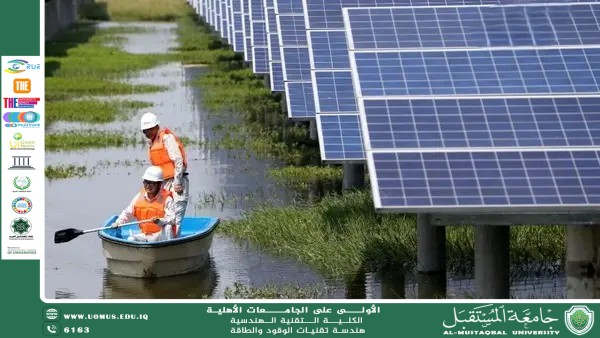
Challenges Facing the Spread of Clean Energy in the Arab World
09/02/2026 Share :
Engineer Nourhan Thamer Asi
The Arab countries face several challenges that hinder the widespread adoption of clean energy, despite the availability of natural resources such as solar and wind energy. One of the main challenges is the weakness of energy infrastructure, as many countries rely on outdated electrical grids that are incapable of efficiently integrating renewable energy sources. Additionally, the high initial costs of establishing solar and wind power plants pose a significant barrier to investment, particularly in economies that experience fluctuating oil revenues. Regulatory and legal challenges also play a critical role, as some countries lack clear legislation supporting the development of the clean energy sector, limiting the participation of the private sector and investors. Moreover, limited public awareness regarding the benefits of renewable energy contributes to the slow transition from fossil fuels, which remain the most common energy source. Finally, technical difficulties in maintaining and operating renewable energy plants present another challenge due to the shortage of trained personnel and advanced equipment. To address these challenges, Arab countries need to implement comprehensive strategic policies, including infrastructure support, financial incentives for investors, specialized training programs, and the promotion of public awareness regarding the importance of transitioning to clean energy, in order to achieve sustainable development and environmental protection.