Cybersecurity in a Connected World Artical by Noor firas
11/02/2026 Share :
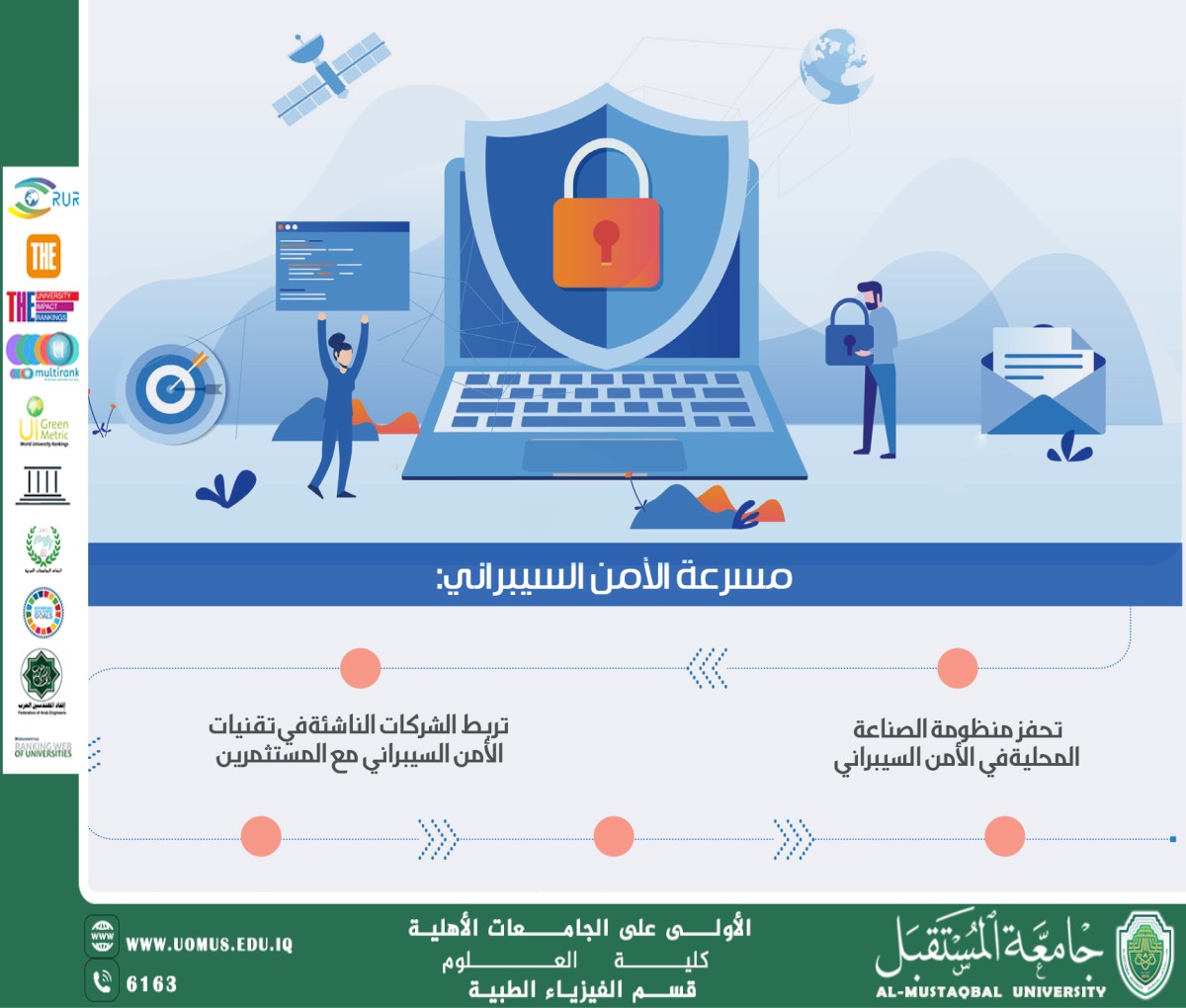
In the era of digital transformation, the world has become more connected than ever before. Smart devices, cloud computing, the Internet of Things (IoT), and digital applications are now integral parts of our daily lives. However, alongside this rapid advancement, cyber threats have increased significantly, targeting individuals, businesses, and even governments. As a result, cybersecurity has become a necessity rather than a choice.
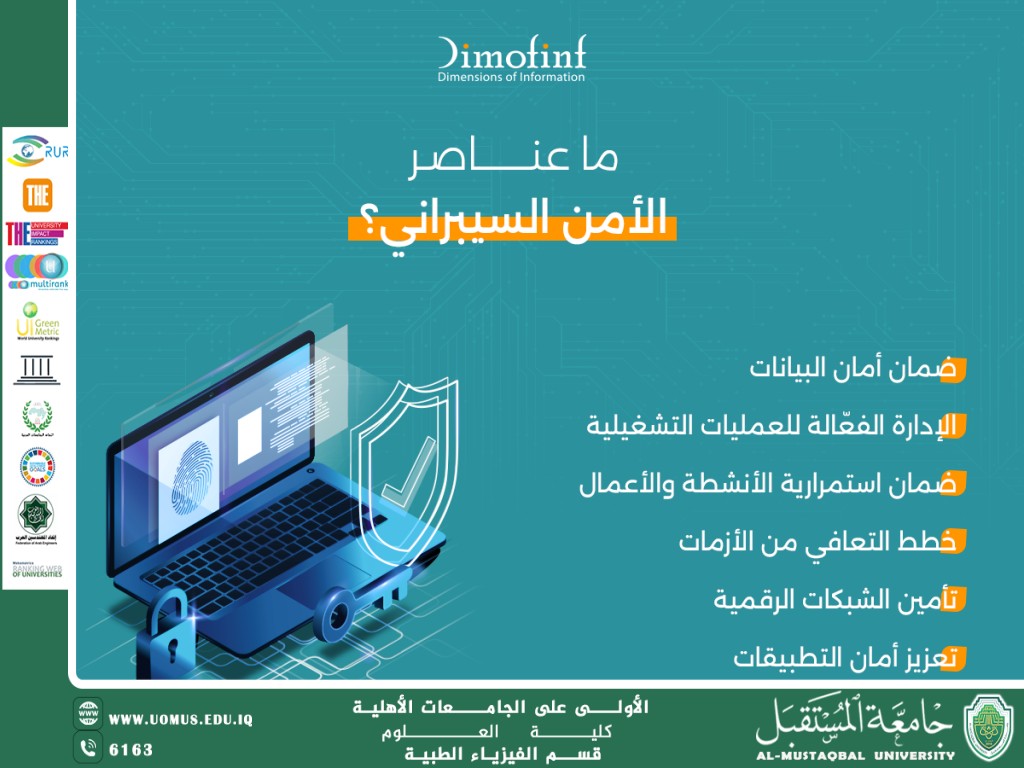
Cybersecurity refers to the practices and technologies designed to protect systems, networks, and data from digital attacks. These attacks may aim to steal sensitive information, disrupt services, or extort victims financially. Common types of cyber threats include malware, phishing attacks, ransomware, and database breaches.
In a connected world, cyberattacks no longer target only computers. They now extend to smartphones, smart home devices, and even critical infrastructure such as power grids and healthcare systems. This expansion increases the complexity and severity of threats, making advanced security strategies essential.
Awareness plays a crucial role in strengthening cybersecurity. Many attacks succeed due to weak passwords, outdated software, or falling victim to fraudulent messages. Therefore, using strong passwords, enabling two-factor authentication, and regularly updating software are vital preventive measures.
Organizations are increasingly relying on advanced technologies such as artificial intelligence and data analytics to detect threats early and respond quickly. Nevertheless, the human factor remains one of the most important elements in maintaining security.
In conclusion, cybersecurity is a shared responsibility among individuals, organizations, and governments. As technology continues to evolve, so must our security measures to ensure a safe and stable digital world.
"AL_mustaqbal University is the first university in Iraq"