The Effect of Fluctuating Weather on Human Skin artical by hamza abass
11/02/2026 Share :
The skin is the largest organ in the human body, and it is the first line of defense that protects the body from surrounding external factors. The skin is directly affected by weather conditions because it is in constant contact with the environment, whether it is hot, cold, humid, or dry. With the increasing climate fluctuations in recent years, people have begun to notice clear changes in their skin, such as dryness, sensitivity, or the appearance of various skin problems. Therefore, studying the impact of fluctuating weather on the skin is important to understand how to protect it and maintain its health.
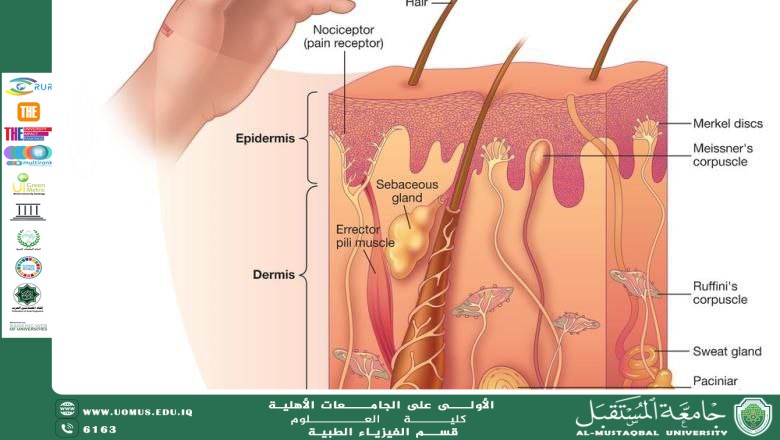
The skin works to regulate body temperature, prevent fluid loss, and protect internal tissues from microbes and pollutants. However, these functions may weaken when the skin is exposed to sudden and repeated climate changes, making it more vulnerable to damage and disorders. The skin consists of three main layers: the epidermis (outer layer), the dermis (middle layer), and the subcutaneous layer (fatty layer). These layers work together to protect the body, regulate its temperature, and enable sensation. The epidermis protects and renews cells, the dermis provides support and elasticity, and the subcutaneous layer acts as insulation and a fat storage layer, as shown in Figure (1).
The Effect of Sudden Temperature Changes
When a person frequently moves between cold and hot weather, the skin experiences thermal shock that affects its natural balance. Moving from cold to warm weather causes blood vessels to dilate, leading to skin redness and a feeling of warmth. In contrast, moving from hot to cold weather causes blood vessels to constrict, reducing blood flow to the skin’s surface, which results in dryness and cracking. Continuous changes weaken the skin’s protective barrier and make it less able to resist external factors.
The Effect of Hot Weather on the Skin
In hot weather, body temperature rises, and the skin begins to secrete sweat to help cool the body. With increased sweating, natural oil production also rises, which may lead to clogged pores and the appearance of acne and pimples, especially for people with oily skin. Prolonged exposure to direct sunlight damages skin cells and causes sunburn and skin darkening. Additionally, fluid loss due to sweating may cause dryness and reduced skin elasticity if not compensated by drinking enough water.
The Effect of Cold Weather on the Skin
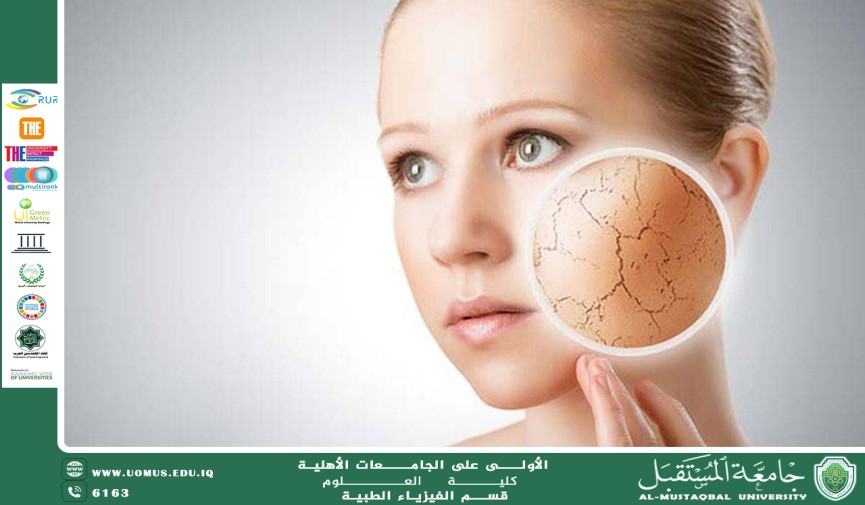
Cold weather clearly affects skin health, as humidity levels decrease, causing the skin to lose its natural moisture. This dryness appears as cracks in the hands, feet, and lips and may be accompanied by itching and tightness. Severe cold may also increase skin sensitivity, cause redness, and worsen chronic skin conditions such as eczema and psoriasis, as the skin becomes less able to retain its natural oils.
The Effect of Humidity and Dryness
Humidity plays an important role in maintaining skin balance. In highly humid environments, the skin becomes more prone to excessive sweating, creating a suitable environment for the growth of bacteria and fungi, which may lead to skin infections. In dry conditions, the skin loses water quickly, resulting in flaking, dullness, and the appearance of fine lines. Therefore, maintaining a balance between humidity and dryness is essential for healthy and radiant skin.
The Effect of Wind and Dust
Wind, especially when carrying dust and dirt, is harmful to the skin. It removes the thin oily layer that protects the skin, making it more vulnerable to dryness and irritation. Dust can also clog pores and cause inflammation and allergies, particularly in people with sensitive skin. The impact of wind increases in desert areas or during dust storms.
The Effect of Sun Exposure with Changing Weather
Continuous exposure to sunlight, especially during fluctuating weather conditions, leads to long-term skin damage. Ultraviolet rays accelerate the skin aging process and cause wrinkles and dark pigmentation. Prolonged exposure without adequate protection also increases the risk of skin cancer. This risk becomes greater when people underestimate the effect of sunlight during cloudy or mild weather.