Modern Biochemical Analysis Techniques and Their Role in Disease Diagnosis
16/02/2026 Share :
Biochemistry is one of the most important branches of medical science, focusing on the chemical reactions occurring within living cells and tissues. With technological advancement, modern biochemical analysis techniques have significantly improved disease diagnosis and health monitoring.
Biochemical analysis involves measuring components of blood and body fluids such as enzymes, proteins, lipids, glucose, and hormones. These measurements provide essential information about organ functions including the liver, kidneys, heart, and endocrine glands. For example, elevated liver enzymes may indicate liver damage, while blood glucose measurement is crucial for diagnosing and monitoring diabetes.
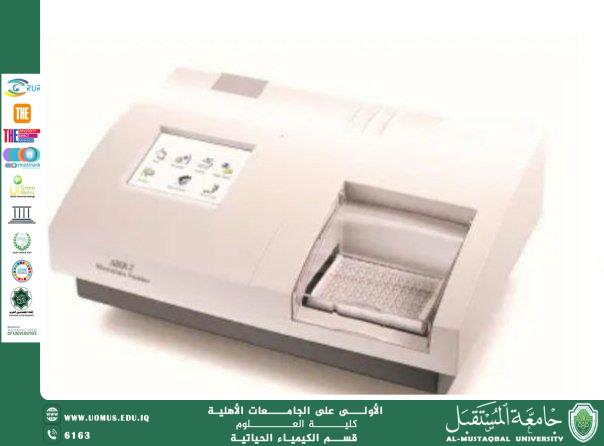
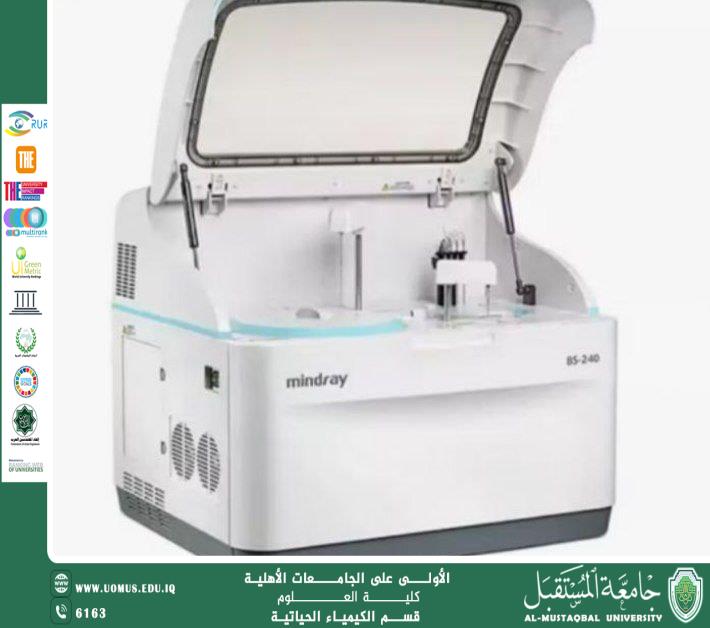
Medical laboratories have advanced considerably through automated analyzers capable of performing hundreds of tests in a short time with high precision. Spectroscopic techniques, chromatographic separation, and immunoassays are commonly used to detect biomolecules even at very low concentrations.
These technologies contribute to early disease detection, evaluation of treatment effectiveness, and continuous patient monitoring. Biochemical testing has also become a fundamental part of routine and preventive medical examinations, improving early intervention and reducing complications.
Despite technological progress, result accuracy depends on sample quality, proper instrument calibration, and adherence to standardized laboratory procedures. Therefore, biochemical laboratories require skilled professionals and strict quality control systems.