Time Management for Dental Students
09/02/2026 Share :
Ali Hussein
Dental students face daily challenges in balancing theoretical lectures, clinical training, case preparation, and academic assignments. With a demanding curriculum and multiple responsibilities, time becomes a critical resource—no less important than knowledge or clinical skill. Time management is not merely an organizational ability; it is a fundamental factor in academic and professional success.
The difficulty often lies in the feeling of accumulating tasks and limited hours. However, the solution is not random effort but structured planning and prioritization. Students who distinguish between urgent and important tasks and dedicate daily time for review reduce exam-related stress and gradually strengthen their understanding of the material. Last-minute studying may produce temporary results, but it does not establish a solid scientific foundation.
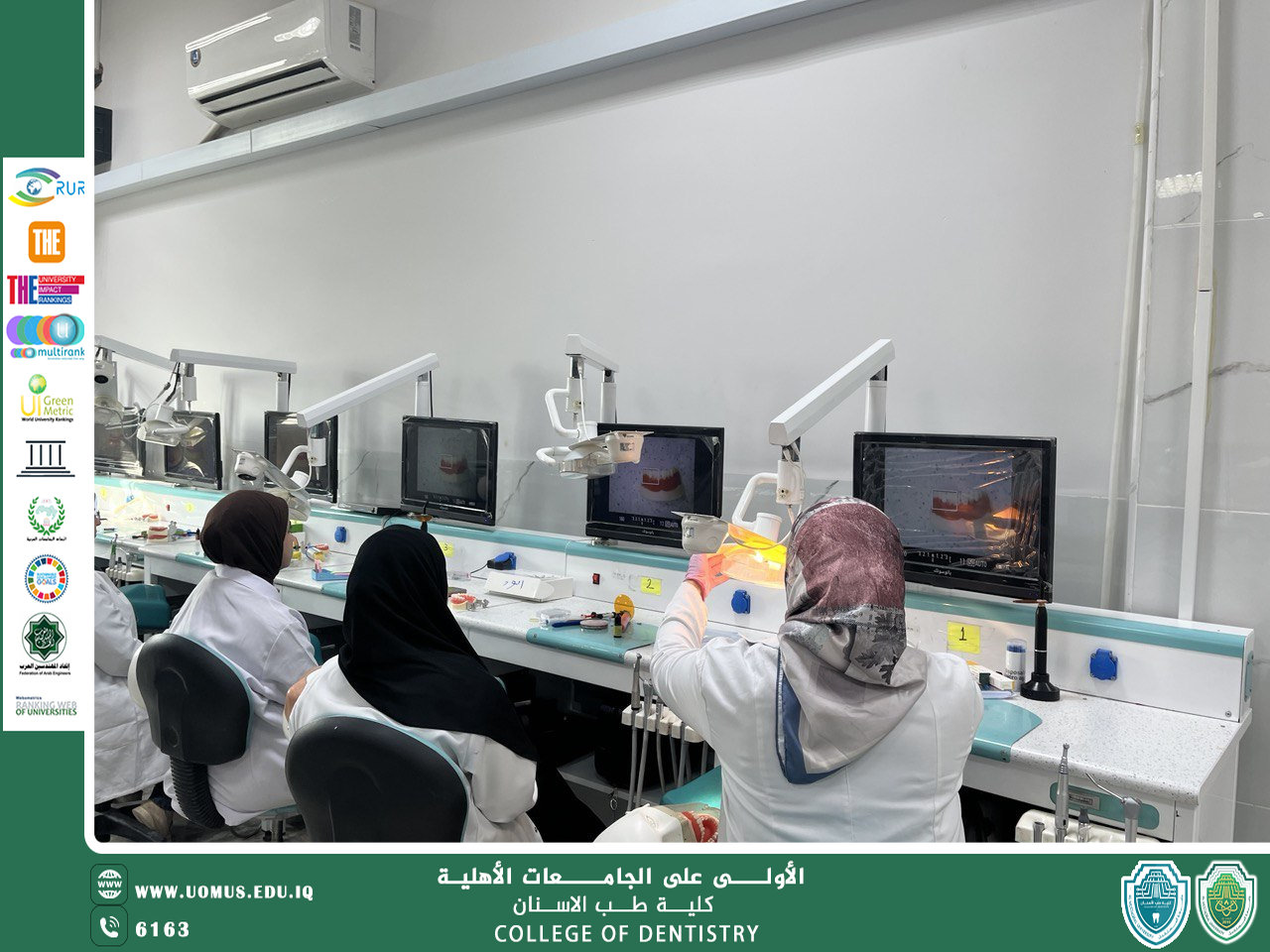
Clinical training also requires preparation and organization. Reviewing cases before entering the clinic, mentally preparing instruments and procedures, and anticipating treatment steps save valuable time and reduce stress during practice. By respecting schedules and valuing the time of patients and supervisors, students develop professional behavior that will shape their future careers.
Effective time management also involves maintaining personal balance. Continuous exhaustion diminishes concentration and precision—two essential qualities in dentistry. Balancing academic responsibilities with personal well-being supports long-term productivity and prevents burnout.
Ultimately, success in dental school is not determined by the number of hours spent studying, but by how wisely those hours are invested. When students master time management, they enhance their learning efficiency, improve their clinical performance, and build an organized and responsible professional identity.