A Sustainable Approach for the Synthesis of Nanomaterials Using Fruit Peels and Their Applications in Water Treatment and Pollution Remediation
22/02/2026 Share :
In recent years, sustainable and environmentally friendly methods for synthesizing nanomaterials have attracted significant scientific interest. Traditional physical and chemical synthesis routes often involve toxic reagents, high energy consumption, and the generation of hazardous by-products. As a result, green synthesis approaches have emerged as promising alternatives, particularly those based on biological and agricultural waste materials such as fruit peels.
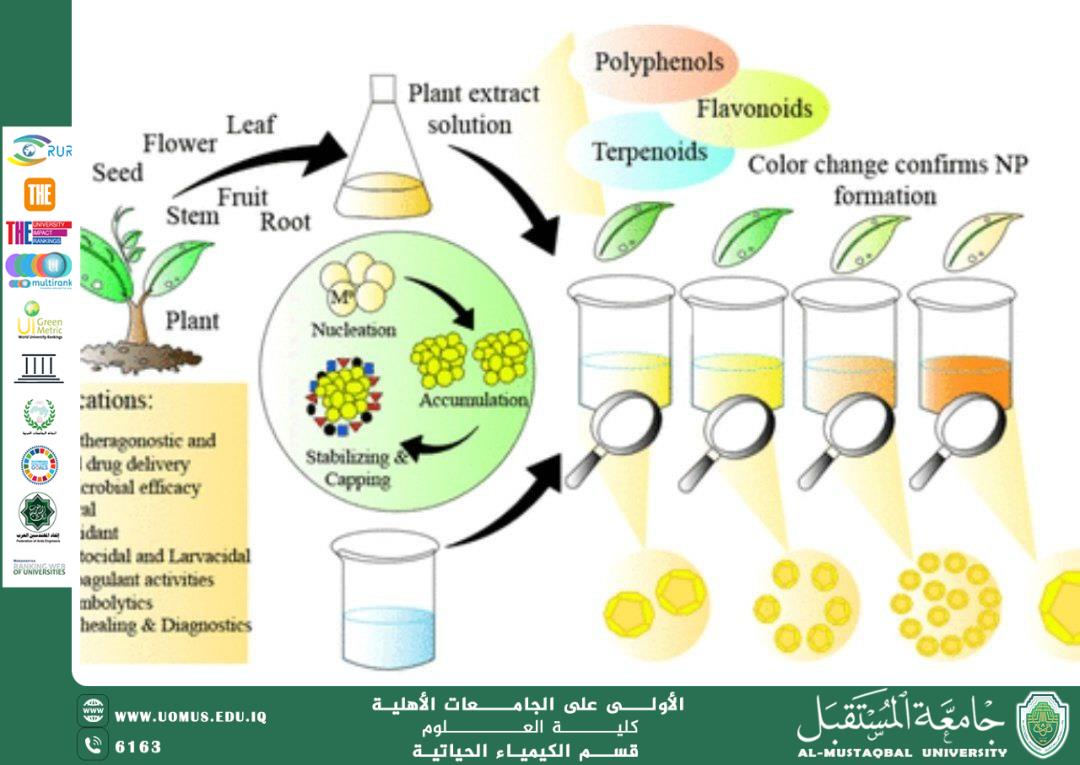
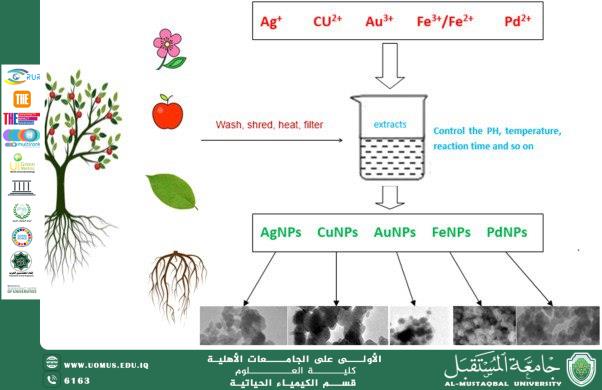
Fruit peels, including those from oranges, bananas, pomegranates, and lemons, are rich in natural bioactive compounds such as polyphenols, flavonoids, organic acids, sugars, and enzymes. These compounds can act as natural reducing, stabilizing, and capping agents during the formation of nanoparticles. Utilizing fruit peel extracts allows researchers to synthesize various nanomaterials, including silver nanoparticles, gold nanoparticles, zinc oxide nanoparticles, and iron oxide nanoparticles, in a cost-effective and eco-friendly manner.
The process typically involves preparing an aqueous extract of the fruit peels, followed by mixing it with a metal salt solution under controlled conditions of temperature, pH, and time. The phytochemicals present in the extract reduce metal ions into nanoscale particles while simultaneously preventing their aggregation. This method eliminates the need for harmful chemicals and reduces environmental impact, making it suitable for sustainable large-scale production.
Nanomaterials synthesized using fruit peels show excellent physicochemical properties, such as high surface area, catalytic activity, and adsorption capacity. These characteristics make them highly effective in environmental applications, particularly in water treatment and pollution control. For example, green-synthesized nanoparticles can be used to remove heavy metals like lead, cadmium, and chromium from contaminated water through adsorption or reduction mechanisms. They are also effective in degrading organic pollutants, dyes, pesticides, and pharmaceutical residues via photocatalytic or catalytic reactions.
Additionally, such nanomaterials can exhibit antimicrobial properties, enabling their use in disinfecting water by inhibiting the growth of bacteria, fungi, and other pathogens. This makes them especially valuable for improving drinking water quality in regions facing water scarcity or pollution challenges.
In conclusion, the use of fruit peels for the green synthesis of nanomaterials represents a sustainable strategy that combines waste valorization with advanced environmental technology. This approach not only reduces agricultural waste and environmental pollution but also provides an efficient, low-cost, and safe method for producing functional nanomaterials. Future research should focus on optimizing synthesis conditions, understanding reaction mechanisms, and scaling up production to support real-world environmental and industrial applications