Oral Health in the Elderly
13/02/2026 Share :
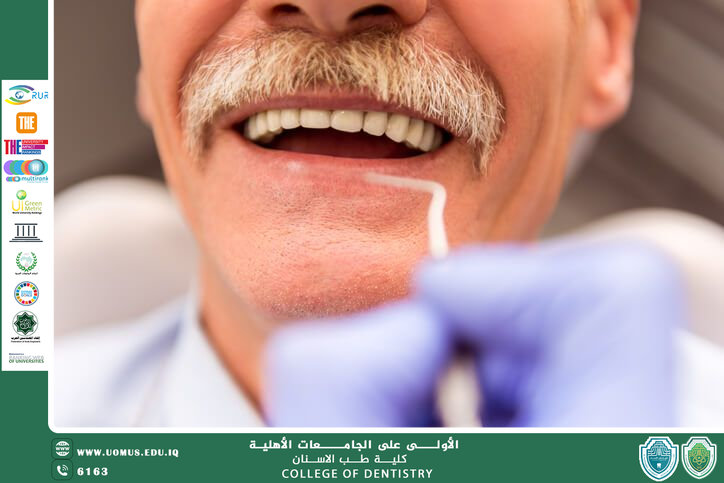
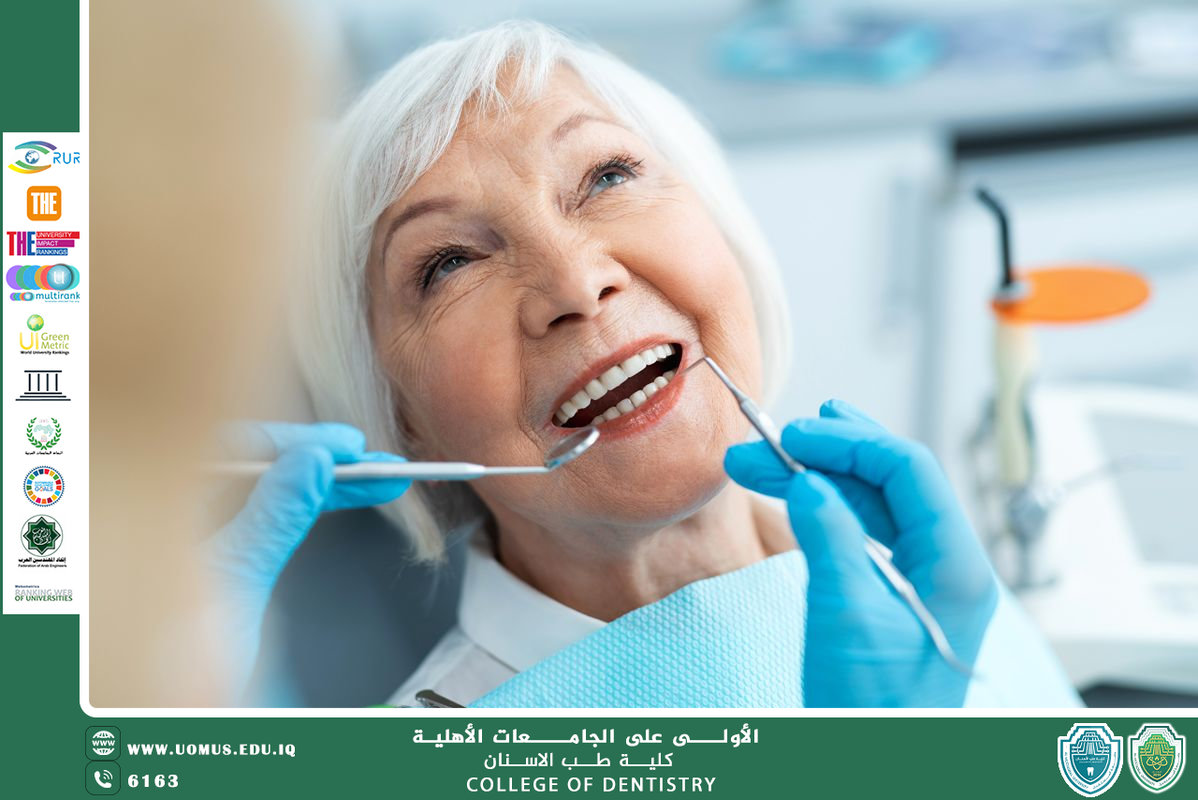
As people age, their healthcare needs evolve, and maintaining oral health becomes increasingly sensitive and significant. Oral health in the elderly is not limited to teeth alone; it directly affects nutrition, speech, confidence in smiling, and overall quality of life.
Older adults face various oral health challenges, including gingival recession, dry mouth caused by certain long-term medications, increased risk of tooth loss, and periodontal diseases. Additionally, chronic systemic conditions such as diabetes and cardiovascular diseases are closely linked to oral health, making regular dental follow-up a necessity rather than a choice.
The issue extends beyond disease itself to include limited awareness and, in some cases, reduced access to dental care. Some elderly individuals may neglect routine check-ups under the assumption that tooth loss is a natural part of aging. However, many oral health problems can be prevented or minimized through consistent care and early intervention.
Caring for elderly patients requires a comprehensive approach that integrates prevention, treatment, and health education. Guidance on appropriate oral hygiene techniques, the use of products designed for dry mouth or sensitivity, and proper maintenance of dental prostheses all contribute to maintaining oral stability. Furthermore, empathetic communication with elderly patients enhances their adherence to treatment plans and fosters a sense of security and respect.
Promoting oral health among older adults reflects societal awareness of healthy aging. When oral care is consistent and well-managed, it positively influences nutrition, general health, and personal independence. Ultimately, a healthy smile in later life stands as a marker of quality care and human dignity.