?Fear of the Dentist: How Can We Overcome It
24/02/2026 Share :
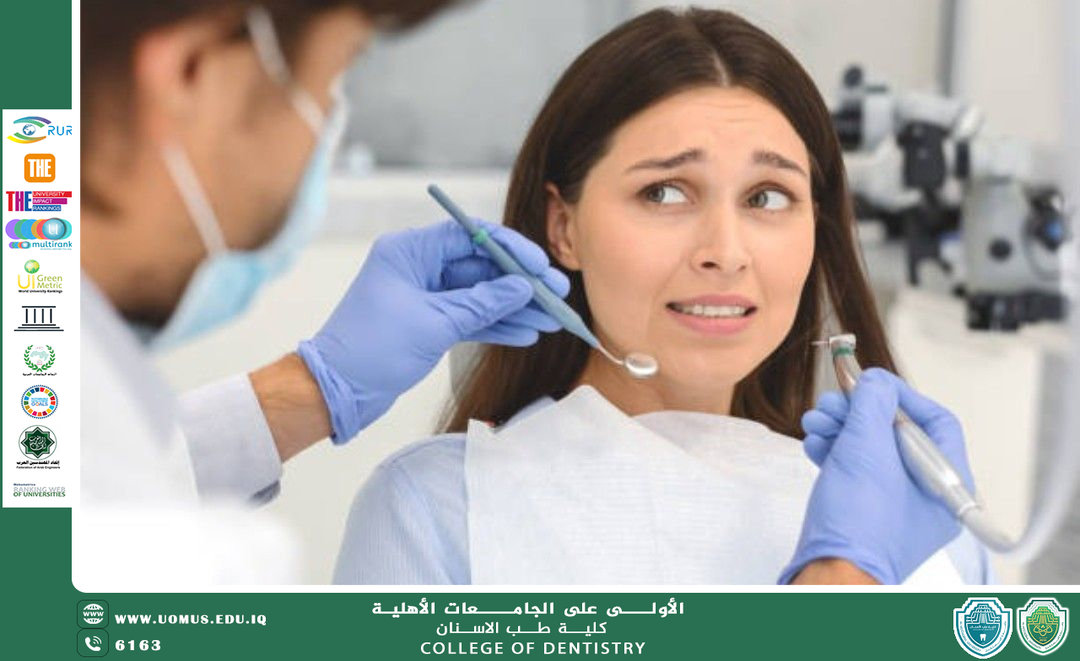
Fear of the dentist is one of the most common anxieties among both children and adults. It may originate from a previous unpleasant experience or from stereotypical images formed during childhood. Despite the significant advancements in anesthesia techniques and modern dental technologies, dental anxiety remains a barrier that prevents many individuals from seeking timely treatment.
The real concern with this fear is that it often leads to postponing dental visits until problems worsen, making treatment more complex and reinforcing the cycle of anxiety. The anticipated pain may eventually become a reality—one that could have been avoided through early examination and preventive care.
Overcoming dental fear begins with understanding. Learning about treatment steps, anesthesia methods, and the nature of procedures reduces uncertainty, which is a major source of anxiety. Choosing a dentist with strong communication skills who takes time to listen and clearly explain the treatment plan significantly helps in building trust.
Dentists play a central role in minimizing fear by creating a calm clinical environment, adopting a gradual approach to treatment, and using modern techniques that reduce discomfort. Encouraging regular dental visits from an early age also fosters a positive and familiar relationship with oral healthcare.
From a psychological perspective, simple relaxation techniques—such as deep breathing or listening to music during the appointment—can effectively reduce stress. In more severe cases, supportive options like conscious sedation may be considered following appropriate medical assessment.
Ultimately, fear should not stand as a barrier to maintaining oral health. Each step toward visiting the dentist is a step toward greater comfort, improved health, and the reassurance that modern dentistry is far removed from outdated perceptions of pain.