A Scientific Article by Lecturer M.M. Hanadi Tahseen Muslim The University and the Formation of Scientific Awareness: The Role of Higher Education in Building a Knowledge-Based Society
28/02/2026 Share :
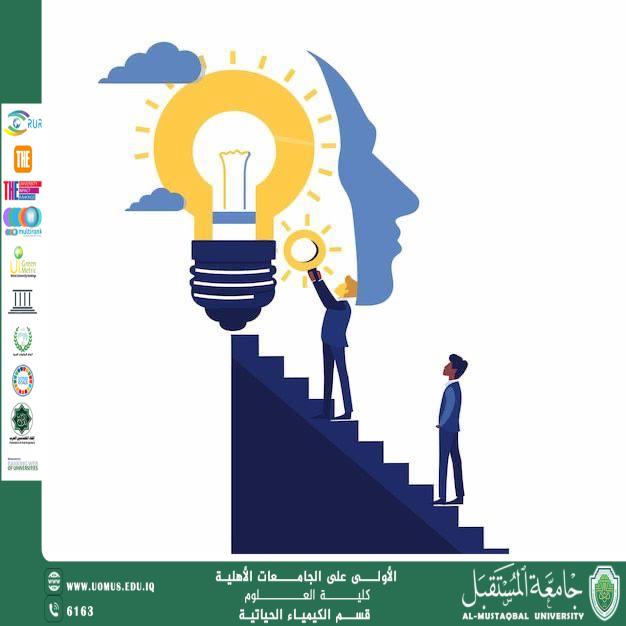
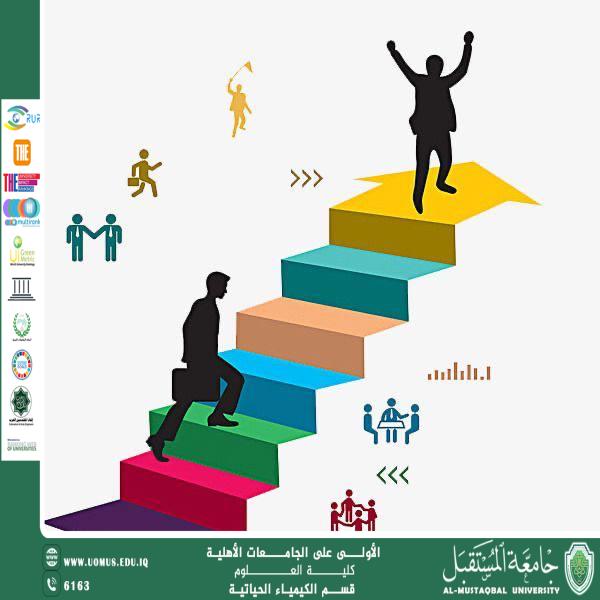
Today, the university is no longer merely an institution that grants academic degrees; rather, it has become a central pillar in shaping scientific awareness and developing individuals capable of critical and analytical thinking. Higher education represents the cornerstone in preparing a generation equipped with the tools of knowledge and capable of employing them to serve society and promote sustainable development.
The university environment serves as a dynamic space for the exchange of ideas, the promotion of academic dialogue, and the development of research and inquiry skills. Through lectures, workshops, and scientific activities, students acquire critical thinking and problem-solving skills that extend beyond their academic specialization and positively influence various aspects of their professional and personal lives.
Moreover, universities play a vital role in instilling a sense of social responsibility among students. Their mission extends beyond theoretical instruction to preparing qualified individuals capable of addressing economic and social challenges with a scientific and systematic approach. True knowledge lies not merely in memorizing information, but in the ability to analyze and apply it appropriately within real-world contexts.
In light of rapid technological advancements, higher education institutions must keep pace with digital transformation and adopt modern teaching strategies that enhance interaction and open broader horizons for creativity and innovation. Investing in education is an investment in the future of nations, and building a knowledge-based society begins in the classroom and extends its impact across all sectors of life.
A university that places the student at the center of the educational process and provides space for independent thinking and creativity directly contributes to preparing a generation capable of driving positive change and achieving sustainable development.
Al-Mustaqbal University Ranked First Among Iraqi Private Universities