"Scientific article by Miss Noor alhuda Azmi Hasan entitled: Active Compounds in Medicinal Plants"
28/02/2026 Share :
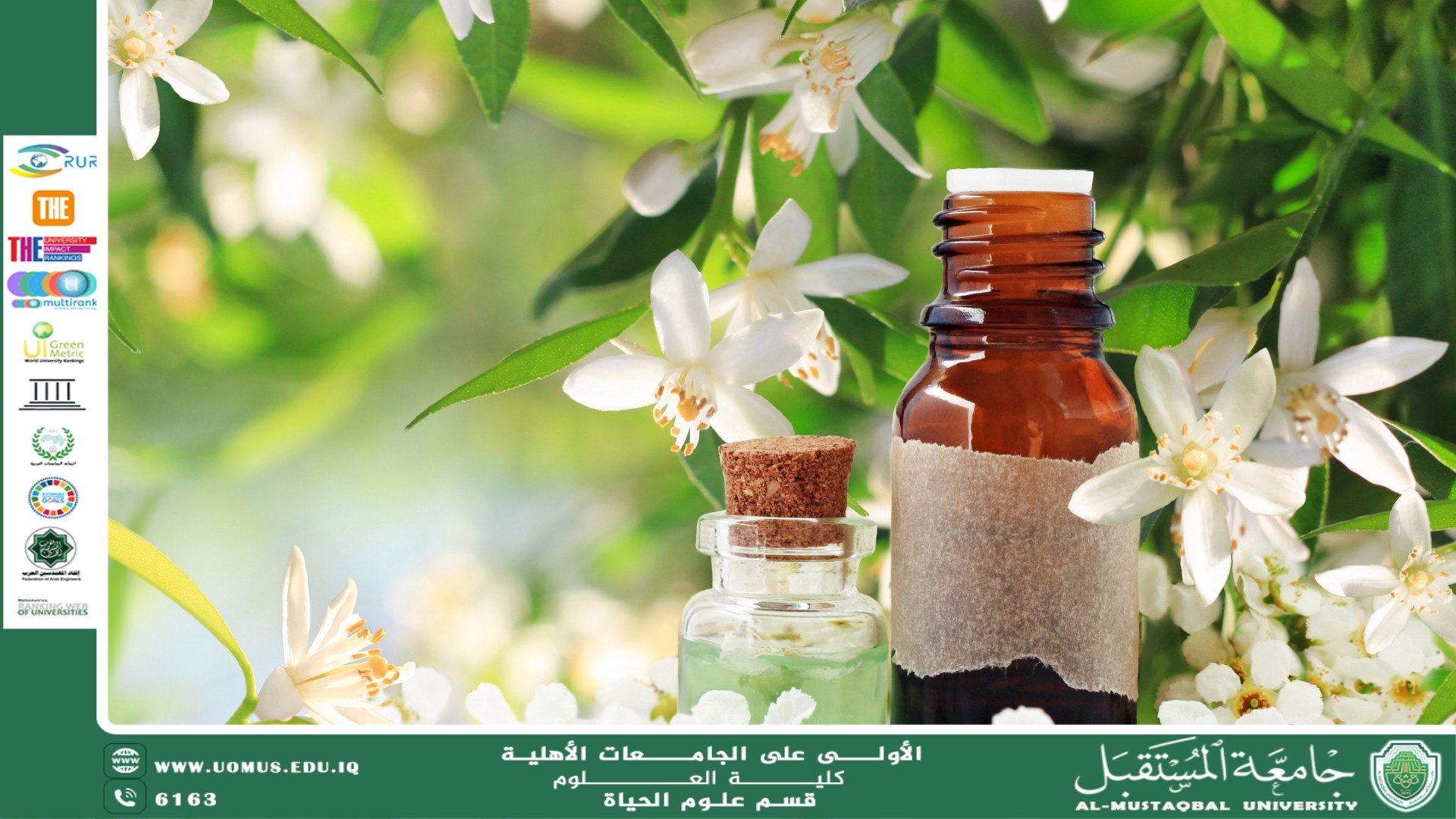
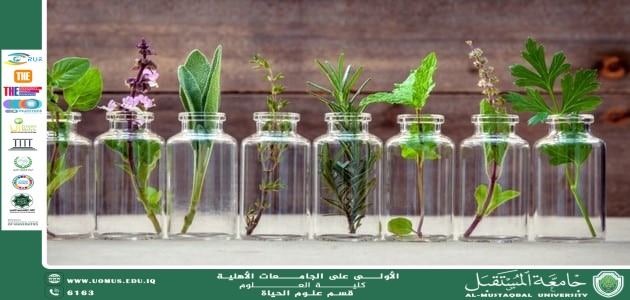
Medicinal plants contain a wide range of biochemical compounds known as secondary metabolites. These compounds do not directly participate in plant growth, but they play an important role in defending the plant against harmful organisms. These compounds include alkaloids, flavonoids, tannins, essential oils, and glycosides. Each of these compounds has specific therapeutic properties that affect various body functions.
Alkaloids, such as morphine, act on the nervous system and are used to relieve pain. Flavonoids function as antioxidants and protect cells from damage caused by free radicals. Tannins have antibacterial properties and help in wound healing. Essential oils possess antimicrobial properties and are used in the treatment of infections.
These compounds act by interacting with enzymes and receptors within the body, leading to the regulation of vital processes such as inflammation, blood pressure, and immune response. They also help protect cells from damage and improve organ function.
The importance of these compounds is not limited to traditional medicine, but they are also used in the development of modern pharmaceuticals. They are extracted, purified, and used as key components in the pharmaceutical industry.
Main types of active compounds in medicinal plants
1. Alkaloids
Nitrogen-containing compounds
Have strong effects on the nervous system
Used in many medicines
Examples:
Morphine: a powerful pain reliever
Quinine: used to treat malaria
Atropine: used in ophthalmology
Plant sources: Poppy, Belladonna
2. Flavonoids
Compounds with antioxidant properties
Protect cells from damage caused by free radicals
Help strengthen the immune system
Functions:
Anti-inflammatory
Antioxidant
Cardioprotective
Found in: Tea, citrus fruits, onions
3. Terpenes
Aromatic compounds responsible for plant fragrance
Major components of essential oils
Functions:
Antibacterial
Antifungal
Anti-inflammatory
Found in: Mint, thyme, pine
4. Glycosides
Compounds consisting of a sugar part and a non-sugar part
Affect the heart and circulatory system
Example:
Digoxin: used to treat heart diseases
Found in: Digitalis plant
5. Tannins
Compounds with an astringent taste
Used in treating diarrhea and wounds
Functions:
Antibacterial
Anti-inflammatory
Promote wound healing
Found in: Tea, pomegranate, oak
6. Saponins
Compounds that produce foam when mixed with water
Help reduce cholesterol levels
Functions:
Anti-inflammatory
Enhance immune function
Found in: Fenugreek, licorice
7. Essential oils
Volatile aromatic compounds
Used in medicine and perfumery
Functions:
Antibacterial
Sedative
Antifungal
Found in: Mint, clove, anise
الهدف الرابع : التعليم الجيد