
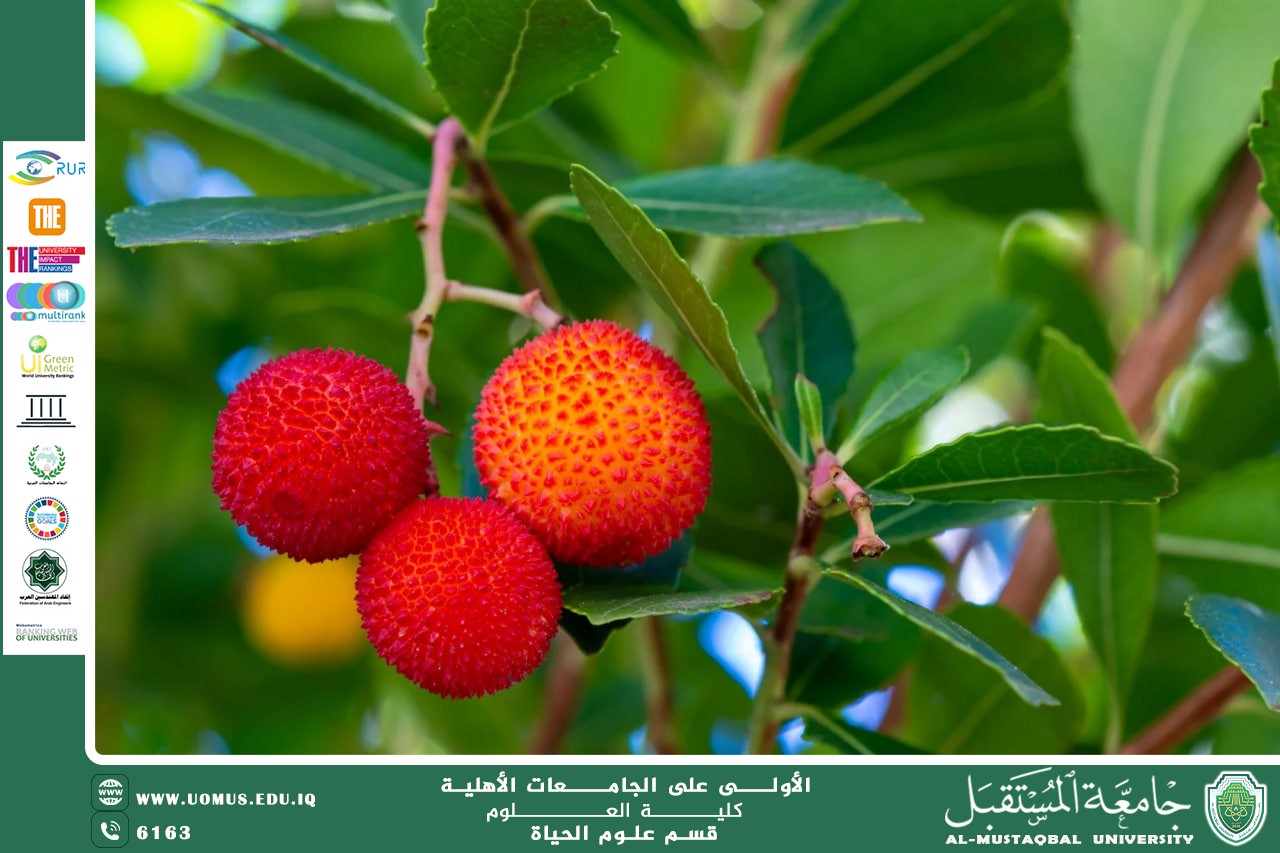
Scientific article by Miss Noor alhuda Azmi Hasan entitled: Antioxidant Plants and Their Health Benefits
27/02/2026 Share :
Antioxidant plants contain compounds capable of neutralizing harmful free radicals, such as flavonoids, carotenoids, and vitamins C and E. These compounds protect cells from oxidative damage, which contributes to premature aging, heart disease, and cancer. For example, blueberries are rich in flavonoids that enhance brain function and protect blood vessels, while grape seeds contain powerful antioxidants that reduce inflammation and support heart health.
These plants play an important preventive role, as they reduce the risk of chronic diseases and help the body cope with oxidative stress caused by environmental factors such as pollution and ultraviolet radiation. They also contribute to boosting immunity and protecting the liver and kidneys from toxins, as well as improving blood circulation and skin health.
Additionally, many antioxidant plants contain anti-inflammatory, antibacterial, and antiviral compounds, further enhancing their ability to support overall health and reduce the risk of chronic infections. Other examples of such plants include:
Green tea: rich in catechins that protect the heart and improve metabolism.
Spinach and broccoli: contain carotenoids and vitamins that support eye health and the immune system.
Carrots: rich in beta-carotene, which protects the skin and supports vision.
Regular consumption of antioxidant plants can improve overall quality of life, reduce the effects of aging, and promote long-term mental and physical health. Studies also indicate that these plants may help reduce the risk of certain cancers, improve memory, and protect cardiovascular health, making them an essential component of a healthy and balanced diet.
الهدف 3 : الصحة الجيدة والرفاه